Blackheads in Teens: What to Know

What Are Blackheads?
Blackheads are a type of acne. They form when hair follicles get clogged with oil and dead skin cells. The dark color is not dirt. It comes from the oil reacting with air. This is called oxidation.
Blackheads are open comedones. The top of the pore stays open. This lets the oil oxidize and turn dark. Whiteheads are closed comedones. They stay covered by a thin layer of skin.
Blackheads are not a sign of poor hygiene. They are a normal part of skin function. Many people get them, especially during puberty.
Why Do Teens Get Blackheads?
Teens get blackheads because of hormonal changes. During puberty, the body makes more androgens. These hormones increase oil production in the skin.
Extra oil can trap dead skin cells in pores. This creates a plug. When the plug is open to air, it becomes a blackhead.
Other factors can make blackheads worse:
- Genetics: If your parents had acne, you may too.
- Oily skin: More oil means more clogging.
- Certain products: Heavy makeup or greasy sunscreen can clog pores.
- Sweat: Not washing after sweating can increase breakouts.
- Stress: Stress hormones can boost oil production.
Common Areas for Blackheads
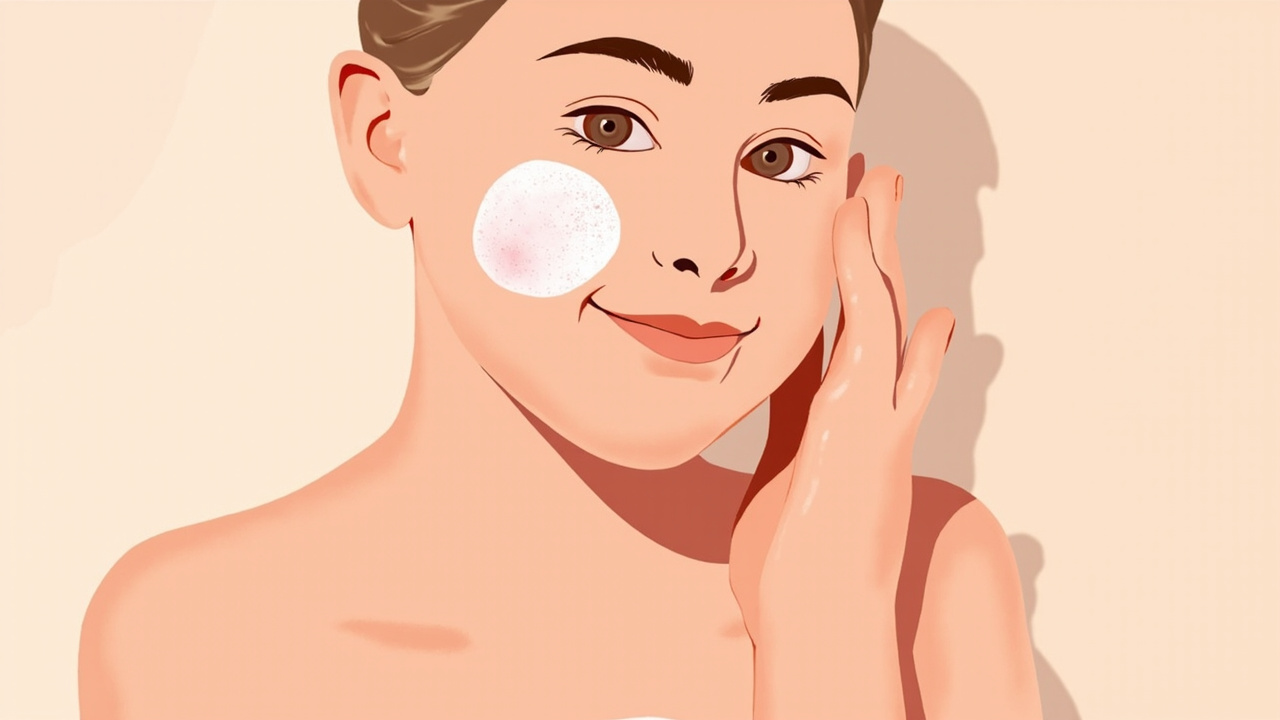
Blackheads appear where oil glands are most active. Common areas include:
- Nose: The nose has many oil glands. It is a hotspot.
- Forehead: The T-zone (forehead, nose, chin) is oily.
- Chin: Another part of the T-zone.
- Cheeks: Some people get blackheads on cheeks.
- Back and chest: These areas also have oil glands.
Blackheads can appear anywhere on the body. But they are most common on the face.
How to Prevent Blackheads
Daily Skincare Routine
Prevention starts with a consistent routine. Follow these steps:
Lifestyle Tips
- Do not touch your face. Hands carry dirt and oil.
- Change pillowcases often. They collect oil and bacteria.
- Keep hair clean and off your face. Hair products can clog pores.
- Avoid popping blackheads. This can cause infection and scars.
Safe Treatment Options for Teens
Over-the-Counter (OTC) Products
Many products can help treat blackheads. Look for these ingredients:
- Salicylic acid: This beta hydroxy acid (BHA) goes deep into pores. It helps dissolve the plug. Use a cleanser or leave-on product with 0.5% to 2% salicylic acid.
- Benzoyl peroxide: This kills bacteria and clears pores. It is more for inflamed acne. It can dry the skin. Start with a low strength (2.5%).
- Retinoids: Adapalene (brand name Differin) is available OTC. It helps unclog pores. Use at night. Start slowly to avoid irritation.
- Niacinamide: This form of vitamin B3 reduces oil production. It is gentle and helps with overall skin health.
How to Use OTC Products
- Start with one product at a time.
- Use a small amount.
- Apply to clean, dry skin.
- Follow directions on the label.
- Be patient. It can take 4 to 8 weeks to see results.
Professional Treatments
If OTC products do not work, a dermatologist can offer:
- Prescription retinoids: Stronger than OTC versions.
- Chemical peels: A stronger acid solution removes dead skin.
- Extraction: A dermatologist removes blackheads safely.
- Microdermabrasion: A device exfoliates the top skin layer.
When to See a Dermatologist
See a dermatologist if:
- OTC products do not improve blackheads after 8 weeks.
- Blackheads are widespread or severe.
- You have other types of acne (whiteheads, pimples, cysts).
- You develop scarring or dark spots.
- Blackheads affect your self-esteem.
A dermatologist can create a personalized plan. They can also treat acne early to prevent long-term damage.
Myths vs. Facts About Blackheads
Myth: Blackheads are dirt.
Fact: They are oil and dead skin cells that oxidized. Dirt is not involved.Myth: You can remove blackheads by scrubbing hard.
Fact: Scrubbing irritates skin and makes acne worse. Use gentle exfoliation.Myth: Toothpaste or baking soda can cure blackheads.
Fact: These home remedies can burn or irritate skin. They are not effective.Myth: Only teens get blackheads.
Fact: Adults can get them too, especially with oily skin or hormonal changes.Myth: Sun exposure helps clear blackheads.
Fact: Sun can dry skin temporarily, but it increases oil production later. It also damages skin and raises cancer risk.Key Takeaways
- Blackheads are open comedones caused by clogged pores.
- Teens get them due to hormonal changes that increase oil.
- Prevent blackheads with a gentle skincare routine and non-comedogenic products.
- Safe treatments include salicylic acid, benzoyl peroxide, and OTC retinoids.
- See a dermatologist if OTC treatments do not work or acne is severe.
- Avoid myths like scrubbing hard or using toothpaste.
Consistency is key. Stick with a routine and be patient. Clear skin takes time.
Frequently Asked Questions
Can I remove blackheads with pore strips?
Pore strips can remove the top of a blackhead, but they do not prevent new ones. They can also irritate skin. Use them rarely, if at all.
Does diet affect blackheads?
Some studies suggest high-glycemic foods (like sugary snacks) and dairy may worsen acne. But evidence is not strong. Eat a balanced diet for overall health.
Should I wash my face more often to prevent blackheads?
Washing twice a day is enough. Washing more can strip natural oils and cause irritation, leading to more breakouts.
Can blackheads turn into pimples?
Yes, if bacteria enter the clogged pore, it can become an inflamed pimple. That is why treating blackheads early helps prevent acne.
Is it safe to use a scrub on blackheads?
Gentle scrubs are okay, but avoid harsh scrubs. They can damage skin. Use a chemical exfoliant like salicylic acid instead.
You May Also Like
Explore more articles in our Health collection:
- Best Setting Spray: Long-Lasting Makeup Fixatives for Every Skin Type and Budget
- Best Skincare Routine for Dry Skin: A Dermatologist's Step-by-Step Guide
- Best Teeth Whitening Products: Strips, Kits, and Toothpastes That Actually Work According to Dentists
Related Tools
Try these free calculators and quizzes to personalize your routine: