Best Yoga for Hydration

Introduction: Why Hydration Matters in Yoga
Hydration is crucial for optimal body function. Water regulates temperature, lubricates joints, and transports nutrients. In yoga, hydration supports flexibility, endurance, and recovery. Dehydration can cause dizziness, muscle cramps, and reduced performance. Understanding how yoga affects hydration helps you practice safely and effectively.
How Yoga Affects Hydration
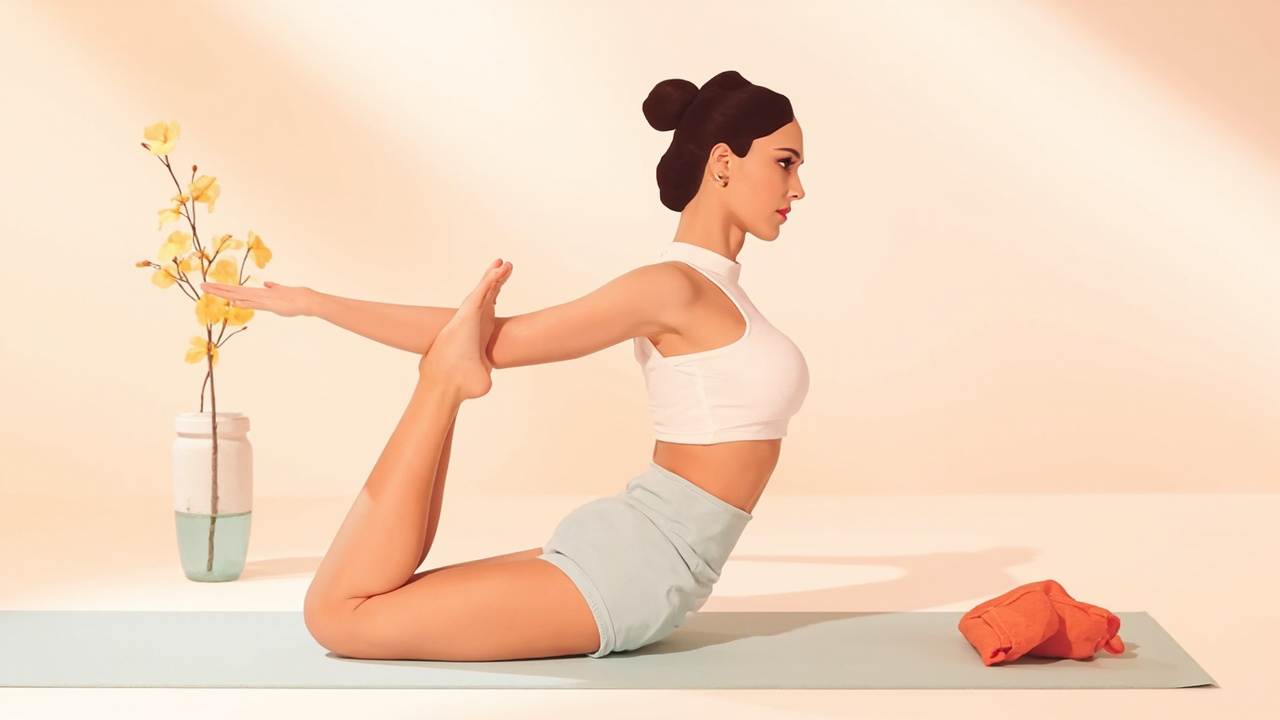
Yoga increases body temperature and sweat production. Sweat contains water and electrolytes. During a vigorous session, you lose fluids. However, yoga also stimulates the lymphatic system, which helps remove toxins and maintain fluid balance. Certain poses may improve circulation to the kidneys and digestive organs, aiding hydration. But without proper fluid intake, you risk dehydration.
Best Yoga Poses for Hydration
!Best Yoga Poses for Hydration
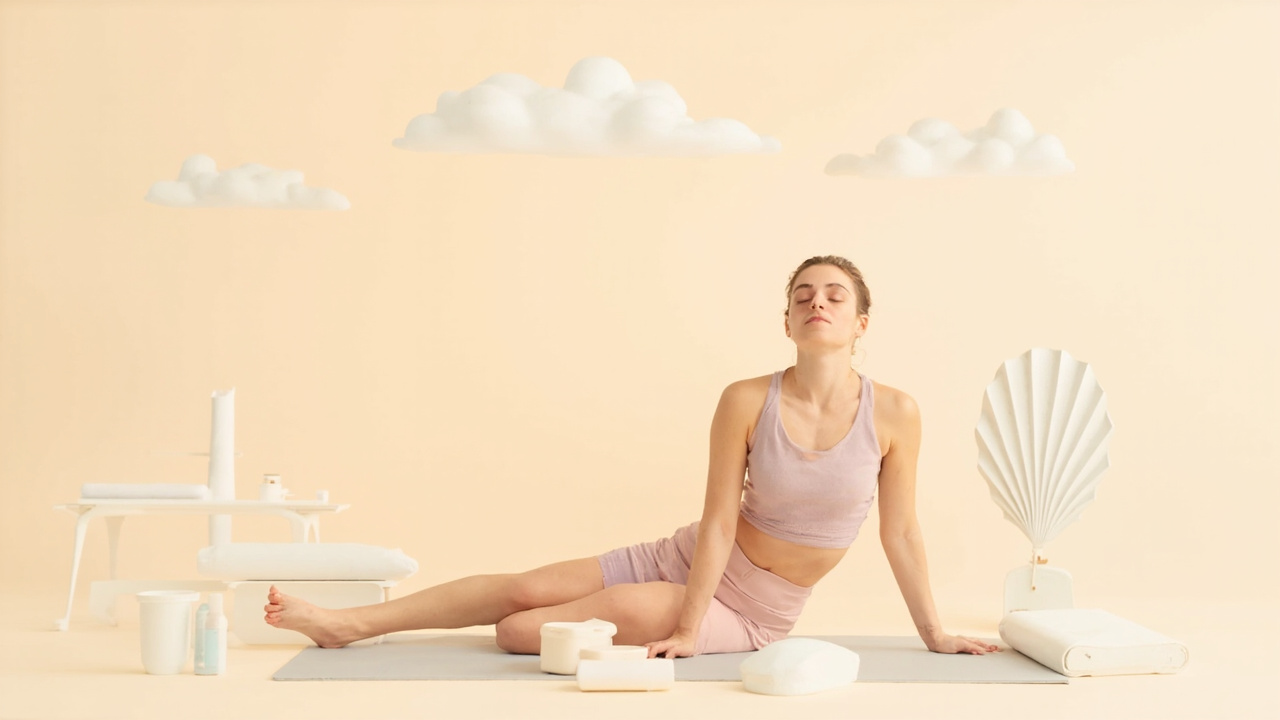
These poses stimulate the throat, abdomen, and spine. They promote fluid movement and glandular function.
1. Seated Forward Fold (Paschimottanasana)
- How to do it: Sit with legs extended. Inhale, reach arms up. Exhale, hinge at hips, and fold forward. Hold for 5–8 breaths.
- Benefits: Compresses the abdomen, stimulating digestive organs. Stretches the spine and hamstrings. Encourages fluid flow to the pelvic region.
2. Cat-Cow Pose (Marjaryasana-Bitilasana)
- How to do it: Start on hands and knees. Inhale, drop belly, lift head and tailbone (Cow). Exhale, round spine, tuck chin (Cat). Repeat 10 times.
- Benefits: Massages the spine and abdominal organs. Improves circulation to the kidneys. Relieves tension in the neck and back.
3. Downward-Facing Dog (Adho Mukha Svanasana)
- How to do it: From hands and knees, tuck toes, lift hips, straighten legs. Press heels toward floor. Hold for 5–8 breaths.
- Benefits: Inverts the body, promoting blood flow to the head and throat. Stretches the spine and hamstrings. May stimulate the thyroid gland, which regulates metabolism and fluid balance.
4. Cobra Pose (Bhujangasana)
- How to do it: Lie on stomach, hands under shoulders. Inhale, lift chest, keep elbows bent. Hold for 5 breaths.
- Benefits: Opens the chest and throat. Stretches the abdomen. Stimulates the adrenal glands, which help regulate fluid and electrolyte balance.
5. Child's Pose (Balasana)
- How to do it: Kneel, sit on heels, fold forward, rest forehead on mat. Arms extended or by sides. Hold for 1–3 minutes.
- Benefits: Calms the nervous system. Promotes relaxation and fluid reabsorption. Gently compresses the abdomen, aiding digestion.
Hydration-Focused Yoga Sequences
Combine poses into sequences to enhance hydration benefits.
Morning Hydration Flow
Evening Hydration Routine
Tips for Staying Hydrated During Yoga Practice
- Drink water before, during, and after. Sip small amounts during practice. Avoid large gulps.
- Monitor urine color. Pale yellow indicates good hydration. Dark yellow means drink more.
- Eat water-rich foods. Cucumbers, watermelon, oranges, and celery boost hydration.
- Consider electrolyte drinks for hot yoga or long sessions. Consult a healthcare provider if unsure.
- Listen to your body. If you feel dizzy, take a break. Rest in Child's Pose.
Conclusion
You May Also Like
Explore more articles in our Fitness collection:
- How Yoga Affects Skin Health
- Best HIIT for Clear Skin
- Best HIIT for Smoothing: Top Exercises to Tone and Tighten: Integrating Hydration into Your Yoga Routine
Hydration is essential for safe and effective yoga practice. Incorporate poses that stimulate fluid movement and glandular function. Follow the sequences above to enhance hydration. Always drink water and eat hydrating foods. See a healthcare provider if you experience persistent symptoms of dehydration.
Key Takeaways
- Yoga increases sweat and fluid loss.
- Certain poses may support hydration by stimulating organs and glands.
- Drink water before, during, and after practice.
- Use morning and evening sequences to boost hydration.
- Monitor urine color and listen to your body.
- Consult a doctor if you have health concerns.
FAQ
Q: Can yoga alone keep me hydrated?A: No. Yoga does not replace drinking water. It may aid fluid balance, but you must consume adequate fluids.
Q: Should I drink water during yoga?A: Yes. Sip small amounts as needed. Avoid overdrinking, which can cause discomfort.
Q: What are signs of dehydration during yoga?A: Dizziness, dry mouth, fatigue, muscle cramps, and dark urine. Stop and hydrate.
Q: Can yoga help with water retention?A: Yes. Poses that stimulate circulation and lymphatic drainage may reduce mild water retention. Consult a doctor for persistent swelling.
Q: How much water should I drink before yoga?A: Drink 16–20 ounces 1–2 hours before. Sip during practice as needed.
Citations
- Sawka, M. N., et al. "Exercise and Fluid Replacement." Medicine & Science in Sports & Exercise, vol. 39, no. 2, 2007, pp. 377–390. doi:10.1249/mss.0b013e31802ca597.
- Popkin, B. M., et al. "Water, Hydration, and Health." Nutrition Reviews, vol. 68, no. 8, 2010, pp. 439–458. doi:10.1111/j.1753-4887.2010.00304.x.
- American Academy of Dermatology. "How to Keep Your Skin Hydrated." AAD, 2023, www.aad.org/public/everyday-care/skin-care-basics/dry/skin-hydration.
Related Tools
Try these free calculators and quizzes to personalize your routine: