Best Sleep Techniques for Uneven Skin Tone

Understanding the Link Between Sleep and Skin Tone
Sleep plays a vital role in skin health. During deep sleep, the body releases growth hormone. This hormone helps repair skin cells and produce collagen. Collagen keeps skin firm and smooth.
Lack of sleep increases cortisol levels. Cortisol is a stress hormone. High cortisol can break down collagen. It also triggers inflammation. Inflammation can worsen uneven skin tone. Conditions like hyperpigmentation and dullness may appear.
A 2013 study in Clinical and Experimental Dermatology found that poor sleepers had more signs of skin aging. They also had slower recovery from skin barrier disruption. This shows sleep is essential for skin repair.
Melatonin, the sleep hormone, also acts as an antioxidant. It fights free radicals. Free radicals cause oxidative stress. This stress can lead to dark spots and uneven tone.
Top Sleep Techniques to Improve Skin Tone
!Top Sleep Techniques to Improve Skin Tone
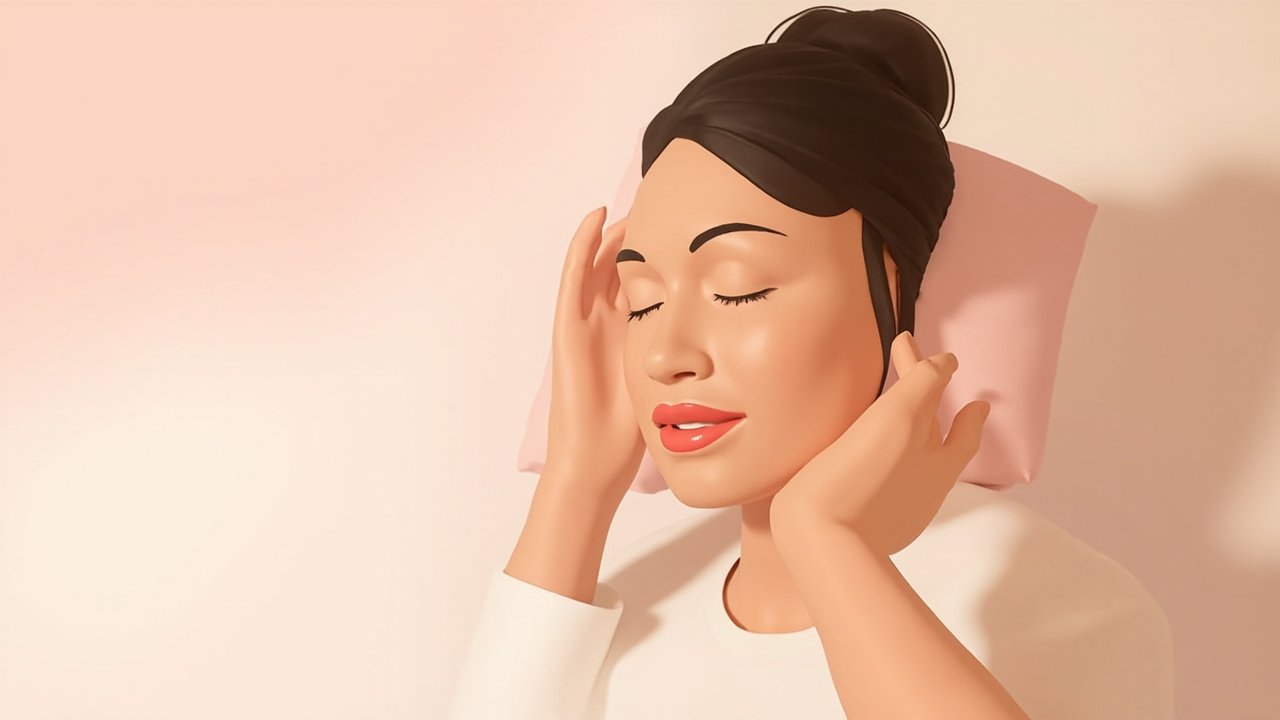
1. Optimize Your Sleep Environment
Your bedroom should promote restful sleep. Follow these tips:
- Keep it dark. Use blackout curtains. Darkness boosts melatonin production.
- Keep it cool. The ideal room temperature is 60-67°F (15-19°C). Cooler temperatures help you fall asleep faster.
- Keep it quiet. Use earplugs or a white noise machine if needed.
- Use clean bedding. Pillowcases can harbor bacteria and oils. Change them weekly. Silk pillowcases reduce friction and may prevent wrinkles.
- Consider a humidifier. Dry air can dehydrate skin. A humidifier adds moisture. This helps maintain skin barrier function.
2. Establish a Consistent Sleep Schedule
Go to bed and wake up at the same time every day. This includes weekends. Consistency reinforces your body's sleep-wake cycle. It improves sleep quality.
Irregular sleep disrupts circadian rhythms. This can increase cortisol and inflammation. Both harm skin tone. Aim for 7-9 hours of sleep per night. The National Sleep Foundation recommends this amount for adults.
3. Practice Good Sleep Hygiene
Sleep hygiene refers to habits that promote quality sleep. Key practices include:
- Limit screen time before bed. Blue light from phones and computers suppresses melatonin. Stop using devices at least 1 hour before sleep.
- Avoid caffeine and nicotine. Both are stimulants. Avoid them for at least 4-6 hours before bedtime.
- Limit alcohol. Alcohol can disrupt sleep cycles. It also dehydrates skin.
- Avoid heavy meals before bed. Eat dinner at least 2-3 hours before sleep. Large meals can cause discomfort and affect sleep quality.
- Exercise regularly. Physical activity improves sleep. But avoid vigorous exercise close to bedtime.
- Manage stress. High stress raises cortisol. Practice relaxation techniques. Deep breathing, meditation, or gentle yoga can help.
4. Incorporate Skin-Friendly Nighttime Habits
Your nighttime routine can support skin repair. Include:
- Cleanse gently. Remove makeup and dirt. Use a mild cleanser. Harsh products can damage skin barrier.
- Apply a moisturizer. Night creams often contain ingredients like ceramides and peptides. These support skin repair.
- Use targeted treatments. For uneven skin tone, consider products with vitamin C, niacinamide, or retinoids. Consult a dermatologist before starting retinoids.
- Sleep on your back. Sleeping on your side or stomach can cause sleep lines. Over time, these may become wrinkles.
- Elevate your head. Use an extra pillow. This can reduce fluid buildup. It may decrease puffiness and dark circles.
Additional Tips for Enhancing Skin Health Through Sleep
!Additional Tips for Enhancing Skin Health Through Sleep

- Stay hydrated. Drink water throughout the day. But limit fluids before bed to avoid nighttime bathroom trips.
- Eat a balanced diet. Foods rich in antioxidants, vitamins, and healthy fats support skin health. Examples include berries, nuts, and fatty fish.
- Avoid smoking. Smoking reduces blood flow to skin. It also depletes oxygen and nutrients. This can worsen skin tone.
- Protect skin from sun. UV damage is a major cause of uneven tone. Wear sunscreen daily. Even on cloudy days.
- Consider supplements. Melatonin supplements may improve sleep. But consult a doctor first. Some supplements like vitamin C and E may benefit skin. However, get nutrients from food when possible.
If you have persistent uneven skin tone, see a dermatologist. They can diagnose underlying conditions. Treatments may include prescription creams, chemical peels, or laser therapy.
Conclusion
You May Also Like
Explore more articles in our Wellness collection:
- The Link Between Stress and Hyperpigmentation
- The Link Between Stress and Sun Damage
- Best Sleep Techniques for Blackheads
Sleep is a powerful tool for improving skin health. It reduces stress, boosts repair, and supports even tone. By optimizing your sleep environment, schedule, and habits, you can enhance your skin's appearance. Combine these techniques with a good skincare routine for best results. Remember, consistency is key. Give your skin time to benefit from better sleep.
Key Takeaways
- Sleep repairs skin cells and produces collagen.
- Poor sleep increases cortisol and inflammation, worsening uneven tone.
- Optimize your bedroom: dark, cool, quiet, and humidified.
- Stick to a consistent sleep schedule of 7-9 hours.
- Practice good sleep hygiene: limit screens, avoid stimulants, manage stress.
- Use a nighttime skincare routine with gentle cleansing and moisturizing.
- Consult a dermatologist if uneven skin tone persists.
Frequently Asked Questions
Q: Can sleeping on my side cause uneven skin tone?A: Side sleeping can create sleep lines, but it does not directly cause uneven tone. However, pressure and friction may contribute to wrinkles over time. Sleeping on your back is better for skin.
Q: How long does it take to see skin improvements from better sleep?A: Some changes may appear within a few days. For significant improvements, aim for consistent good sleep for several weeks. Skin cell turnover takes about 28 days.
Q: Does the type of pillowcase matter for skin?A: Yes. Silk or satin pillowcases create less friction than cotton. They may reduce sleep lines and irritation. They also absorb less moisture, helping skin stay hydrated.
Q: Can lack of sleep cause dark circles under eyes?A: Yes. Poor sleep can cause fluid buildup and dilated blood vessels under the eyes. This leads to dark circles and puffiness. Adequate sleep helps reduce these issues.
Q: Should I use a night cream with retinol for uneven skin tone?A: Retinol can help with uneven tone by speeding cell turnover. But it can cause irritation. Start with a low concentration and use sunscreen daily. Consult a dermatologist for personalized advice.
Citations
Related Tools
Try these free calculators and quizzes to personalize your routine: