Best Sleep Techniques for Sensitive Skin

Why Sleep Quality Matters for Sensitive Skin
Sleep is essential for skin repair. During deep sleep, your body releases growth hormone. This hormone helps repair damaged skin cells. For sensitive skin, poor sleep can worsen inflammation. Cortisol, a stress hormone, rises when you lack sleep. High cortisol levels can trigger breakouts and redness. Good sleep lowers cortisol. It also boosts blood flow to the skin. This delivers oxygen and nutrients for healing.
A study in Clinical and Experimental Dermatology found that poor sleep quality is linked to increased skin sensitivity. Another study from the Journal of Investigative Dermatology showed that sleep deprivation accelerates skin aging. For sensitive skin, restful sleep is not optional—it's treatment.
Pre-Sleep Skincare Routine for Sensitive Skin
!Pre-Sleep Skincare Routine for Sensitive Skin

Your bedtime routine matters. It prepares your skin for repair. Follow these steps to avoid irritation.
Gentle Cleansing
- Use a mild, fragrance-free cleanser.
- Look for labels like "for sensitive skin" or "hypoallergenic."
- Avoid foaming cleansers with sulfates. They strip natural oils.
- Use lukewarm water. Hot water irritates sensitive skin.
- Pat dry with a soft towel. Do not rub.
Double cleansing can help remove makeup and sunscreen. Use an oil-based cleanser first, then a gentle water-based one. But if your skin reacts, stick to one gentle cleanser.
Soothing Moisturizers
- Apply moisturizer while skin is still damp. This locks in hydration.
- Choose products with ceramides, niacinamide, or hyaluronic acid.
- These ingredients strengthen the skin barrier and calm inflammation.
- Avoid alcohols, fragrances, and essential oils.
- Use a pea-sized amount. More is not better.
Hypoallergenic Night Creams
- Night creams are thicker. They provide deeper hydration.
- Look for "non-comedogenic" labels. This means they won't clog pores.
- Ingredients like colloidal oatmeal, shea butter, or squalane are safe.
- Retinol can irritate sensitive skin. Use it only if your dermatologist approves.
- Apply night cream as the last step before bed.
Best Sleep Positions to Minimize Skin Irritation
!Best Sleep Positions to Minimize Skin Irritation
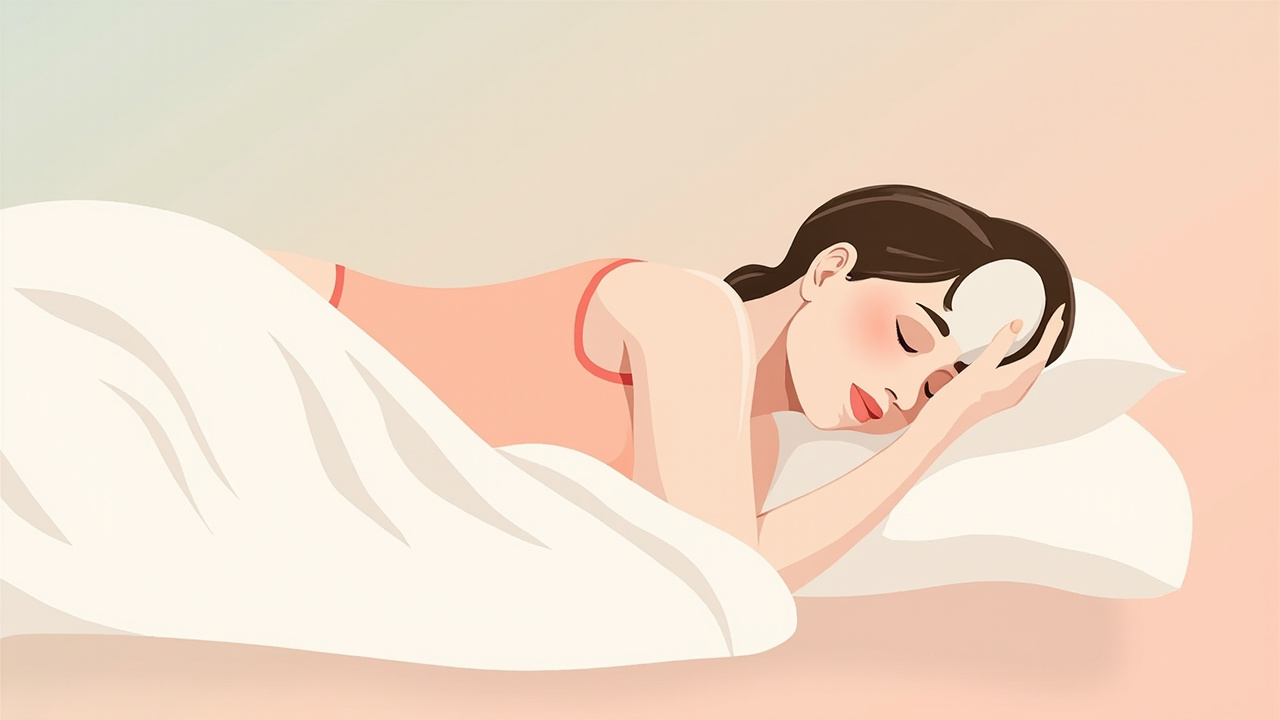
Your sleeping position affects your skin. Certain positions can cause creases and breakouts.
- Sleep on your back. This is the best position. It prevents friction against the pillow. It also reduces sleep lines and wrinkles.
- Avoid stomach sleeping. Your face presses into the pillow. This can cause irritation and acne mechanica (acne from friction).
- Side sleeping is okay if you must. Use a soft pillow to reduce pressure. Switch sides each night to avoid uneven creases.
- Keep your face clean. Change pillowcases every two days if you sleep on your side.
Choosing the Right Bedding for Sensitive Skin
Your bedding touches your skin for hours. Wrong materials can cause itching, redness, or breakouts.
Hypoallergenic Pillows and Mattress Protectors
- Use pillows with hypoallergenic covers. They prevent dust mites and allergens.
- Memory foam pillows can trap heat. Choose a cooling gel pillow if you sweat.
- Mattress protectors should be waterproof and breathable. This prevents mold and bacteria.
- Wash bedding weekly in hot water (130°F or 54°C) to kill allergens.
Silk vs. Cotton Pillowcases
- Silk pillowcases are smooth. They reduce friction. This prevents wrinkles and irritation. Silk is also hypoallergenic and breathable. But they can be expensive and require hand washing.
- Cotton pillowcases are cheaper and easy to wash. Choose high-thread-count cotton (300-500). It feels softer. Avoid rough, low-thread-count cotton.
- For sensitive skin, silk is often better. But if you have acne, cotton may be preferred because silk can trap bacteria if not washed often.
- Change pillowcases every two to three days.
Environmental Tips for a Skin-Friendly Bedroom
Your bedroom environment affects your skin while you sleep.
- Keep humidity between 40-60%. Use a humidifier if the air is dry. Dry air strips moisture from skin. A humidifier can help. Clean it weekly to prevent mold.
- Maintain a cool temperature. 60-67°F (15-19°C) is ideal. Cooler temperatures reduce sweating and inflammation.
- Use blackout curtains. Darkness promotes melatonin production. Melatonin is an antioxidant that protects skin.
- Reduce noise and light. Use a white noise machine if needed. Turn off electronics. Blue light from screens can disrupt sleep and damage skin.
- Keep the room clean. Dust and vacuum regularly. Use an air purifier with a HEPA filter.
Lifestyle Habits That Improve Sleep and Skin Health
Good sleep hygiene helps both sleep and skin.
- Stick to a sleep schedule. Go to bed and wake up at the same time every day. This regulates your body's clock.
- Avoid caffeine after 2 PM. Caffeine keeps you awake. It can also increase stress hormones.
- Limit alcohol. Alcohol dehydrates skin and worsens inflammation. It also disrupts REM sleep.
- Don't eat heavy meals before bed. Digestion can disturb sleep. Eat at least two hours before lying down.
- Exercise regularly. Physical activity reduces stress and improves sleep quality. But avoid vigorous exercise within an hour of bedtime.
- Manage stress. Practice meditation, deep breathing, or journaling before bed. Stress triggers cortisol, which harms skin.
- Avoid screens 30 minutes before sleep. Blue light suppresses melatonin. Use night mode if you must.
When to See a Dermatologist
If you have persistent skin issues despite good sleep habits, see a dermatologist. Signs you need help:
- Severe redness, itching, or pain that disrupts sleep.
- Acne that does not improve with gentle skincare.
- Rashes or hives that appear after sleep.
- Signs of infection: pus, swelling, or fever.
A dermatologist can diagnose conditions like eczema, rosacea, or contact dermatitis. They may prescribe treatments that work with your sleep routine.
Key Takeaways
- Quality sleep is vital for sensitive skin repair.
- Use a gentle, fragrance-free skincare routine before bed.
- Sleep on your back to minimize friction.
- Choose hypoallergenic bedding and silk or high-thread-count cotton pillowcases.
- Keep your bedroom cool, dark, and humidified.
- Adopt healthy sleep habits: consistent schedule, no caffeine, manage stress.
- See a dermatologist if skin problems persist.
Frequently Asked Questions
Q: Can sleeping on my side cause acne?A: Yes, side sleeping can cause acne mechanica from friction and bacteria on the pillowcase. Change pillowcases often and try sleeping on your back.
Q: Is silk or cotton better for sensitive skin?A: Silk is often better due to its smooth texture and hypoallergenic properties. However, cotton is also safe if it's high-thread-count and washed regularly.
Q: How often should I wash my pillowcase for sensitive skin?A: Wash your pillowcase every two to three days. Use hot water and a fragrance-free detergent.
Q: Does a humidifier help sensitive skin?A: Yes, a humidifier keeps the air moist, preventing dryness and irritation. Aim for 40-60% humidity.
Q: Should I use retinol at night if I have sensitive skin?A: Retinol can be irritating. Consult your dermatologist first. If approved, start with a low concentration and use a moisturizer.
Citations
You May Also Like
Explore more articles in our Wellness collection:
- The Link Between Stress and Hyperpigmentation
- The Link Between Stress and Sun Damage
- Best Sleep Techniques for Blackheads
Related Tools
Try these free calculators and quizzes to personalize your routine: