Best Sleep Techniques for Hyperpigmentation

Understanding the Link Between Sleep and Hyperpigmentation
Hyperpigmentation is a common skin concern. It appears as dark patches or spots. Causes include sun exposure, inflammation, and hormonal changes. But did you know sleep plays a key role?
Poor sleep disrupts your body's natural rhythms. This can worsen hyperpigmentation. When you sleep, your skin repairs itself. Lack of sleep increases stress hormones like cortisol. Cortisol triggers inflammation. Inflammation stimulates melanocytes. These are cells that produce melanin. More melanin means darker spots.
Studies show that chronic sleep deprivation leads to uneven skin tone. It also reduces skin barrier function. A weak barrier makes skin more prone to damage. This can darken existing hyperpigmentation.
The Science Behind Sleep and Skin Repair
!The Science Behind Sleep and Skin Repair

Your body follows a circadian rhythm. This is a 24-hour internal clock. It regulates sleep-wake cycles. It also controls skin functions.
During deep sleep, your body releases growth hormone. This hormone repairs damaged cells. It also produces collagen. Collagen keeps skin firm and smooth.
At night, skin blood flow increases. This delivers oxygen and nutrients. It removes waste products. This process helps fade dark spots.
Melatonin is another key player. It is the sleep hormone. Melatonin is also a powerful antioxidant. It protects skin from oxidative stress. Oxidative stress can cause hyperpigmentation.
When you sleep well, your skin's pH balance improves. A healthy pH reduces inflammation. It also helps active ingredients work better.
Best Sleep Techniques to Reduce Hyperpigmentation
!Best Sleep Techniques to Reduce Hyperpigmentation
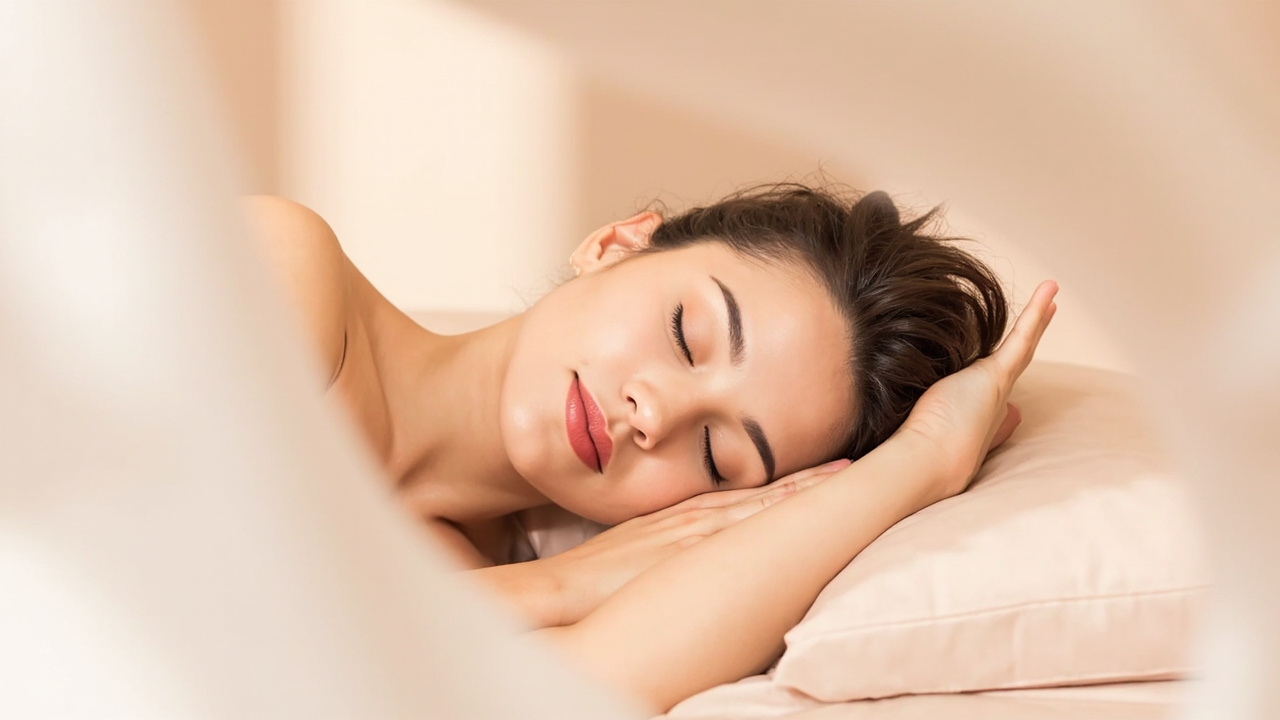
Optimize Your Sleep Environment
Your bedroom should be a sanctuary for sleep. Follow these tips:
- Keep it dark: Use blackout curtains or an eye mask. Darkness boosts melatonin production.
- Keep it cool: The ideal temperature is 60-67°F (15-19°C). Cooler temps promote deep sleep.
- Keep it quiet: Use earplugs or a white noise machine. Noise disrupts sleep cycles.
- Reduce blue light: Avoid screens 1 hour before bed. Blue light suppresses melatonin.
Establish a Consistent Sleep Schedule
Go to bed and wake up at the same time every day. This includes weekends. Consistency strengthens your circadian rhythm.
- Aim for 7-9 hours of sleep per night.
- Avoid naps longer than 30 minutes.
- Expose yourself to natural light in the morning. This helps regulate your clock.
Incorporate Nighttime Skincare Routine
Your evening routine can enhance sleep benefits. Use products that target hyperpigmentation.
- Cleanse gently: Remove makeup and sunscreen. Use a mild cleanser.
- Apply a vitamin C serum: Vitamin C inhibits melanin production. Use it before bed.
- Use a retinoid: Retinoids speed up cell turnover. They fade dark spots. Start with a low concentration.
- Moisturize: A good moisturizer supports skin barrier repair. Look for niacinamide or licorice extract.
- Apply a brightening night cream: Ingredients like kojic acid or alpha arbutin help.
Always follow product instructions. Some ingredients increase sun sensitivity. Use sunscreen in the morning.
Use Silk or Satin Pillowcases
Cotton pillowcases can cause friction. This irritates skin and worsens hyperpigmentation. Silk or satin is smoother.
- Reduces sleep lines and wrinkles.
- Less irritation for sensitive skin.
- Does not absorb moisture from skin or products.
Wash pillowcases weekly. Use a gentle detergent.
Elevate Your Head While Sleeping
Elevating your head can reduce fluid buildup. This helps with under-eye dark circles. It also improves blood circulation.
- Use an extra pillow or a wedge pillow.
- Elevate by 30 degrees.
- This position may also reduce inflammation.
Additional Tips for Enhancing Sleep Quality
- Limit caffeine after 2 PM. Caffeine stays in your system for hours.
- Avoid heavy meals before bed. Digestion can disrupt sleep.
- Practice relaxation techniques. Deep breathing or meditation helps.
- Exercise regularly but not too close to bedtime.
- Consider a magnesium supplement. Magnesium promotes relaxation. Consult your doctor first.
When to Consult a Dermatologist
Sleep techniques can help, but they are not a cure. See a dermatologist if:
- Hyperpigmentation is severe or spreading.
- Dark spots change in color or shape.
- You have persistent acne or inflammation.
- Over-the-counter products are not working.
- You suspect an underlying medical condition.
A dermatologist can diagnose the cause. They may recommend prescription treatments. Options include:
- Hydroquinone cream
- Chemical peels
- Laser therapy
- Microdermabrasion
Key Takeaways
- Sleep quality directly affects hyperpigmentation through hormones and skin repair.
- Optimize your sleep environment: dark, cool, and quiet.
- Stick to a consistent sleep schedule of 7-9 hours.
- Use a nighttime skincare routine with brightening ingredients.
- Silk or satin pillowcases reduce irritation.
- Elevate your head to improve circulation.
- See a dermatologist for persistent or severe hyperpigmentation.
Frequently Asked Questions
Q: Can lack of sleep cause hyperpigmentation?A: Yes. Poor sleep increases cortisol and inflammation, which can stimulate melanin production and worsen dark spots.
Q: How long does it take to see results from better sleep on hyperpigmentation?A: It varies. Consistent good sleep for 4-6 weeks may show improvement. Combine with proper skincare for best results.
Q: Does sleeping on your side worsen hyperpigmentation?A: It can. Side sleeping causes friction and pressure. Use a silk pillowcase to minimize irritation.
Q: Can melatonin supplements help with hyperpigmentation?A: Melatonin is an antioxidant. Some studies suggest it may help, but more research is needed. Consult a doctor before taking supplements.
Q: What is the best sleeping position for hyperpigmentation?A: Sleeping on your back with your head slightly elevated is best. It reduces pressure and fluid buildup.
Citations
You May Also Like
Explore more articles in our Wellness collection:
- The Link Between Sleep and Sun Damage
- The Link Between Stress and Combination Skin
- The Link Between Stress and Frizzy Hair
Related Tools
Try these free calculators and quizzes to personalize your routine: