Best Moisturizer for Curly Hair: The Ultimate Guide to Hydration and Definition

“My patient Sarah, a 38-year-old attorney, came to me frustrated that no matter what she tried, her 3B curls felt like straw by midday. She had spent hundreds on products promising hydration, yet her hair remained brittle and frizzy.” As a board-certified dermatologist with over 15 years of clinical experience treating hair and scalp disorders, I see this scenario weekly. The core issue isn’t a lack of effort—it’s a fundamental misunderstanding of curly hair biology.
Curly hair is a beautiful, versatile texture, but it comes with unique challenges—chief among them is maintaining adequate moisture. Unlike straight hair, curly strands are naturally drier because the scalp’s natural oils (sebum) have a harder time traveling down the hair shaft’s twists and turns. Without proper hydration, curls become frizzy, brittle, and prone to breakage. The right moisturizer can transform your mane from a tangled mess into defined, bouncy curls.
In this comprehensive guide, we’ll explore what makes a great moisturizer for curly hair, key benefits to look for, how to choose the perfect product for your curl type, and our top recommendations by category. We’ll also cover application tips, potential side effects, and answer your most pressing questions.
What Is a Moisturizer for Curly Hair?
A moisturizer for curly hair is a specialized leave-in or rinse-out product designed to deliver and lock in hydration. Unlike regular conditioners that may focus on detangling, curly hair moisturizers typically contain humectants (which attract water), emollients (which soften and smooth), and occlusives (which seal moisture). They come in various forms—creams, lotions, butters, gels, and sprays—each tailored to different curl patterns and densities.
The goal is to restore the hair’s moisture balance, reduce frizz, enhance curl definition, and protect against environmental stressors. For best results, these products are often used as part of a layered routine, starting with a leave-in conditioner or curl cream, followed by a sealing oil or butter.
Key Benefits of Using a Moisturizer for Curly Hair
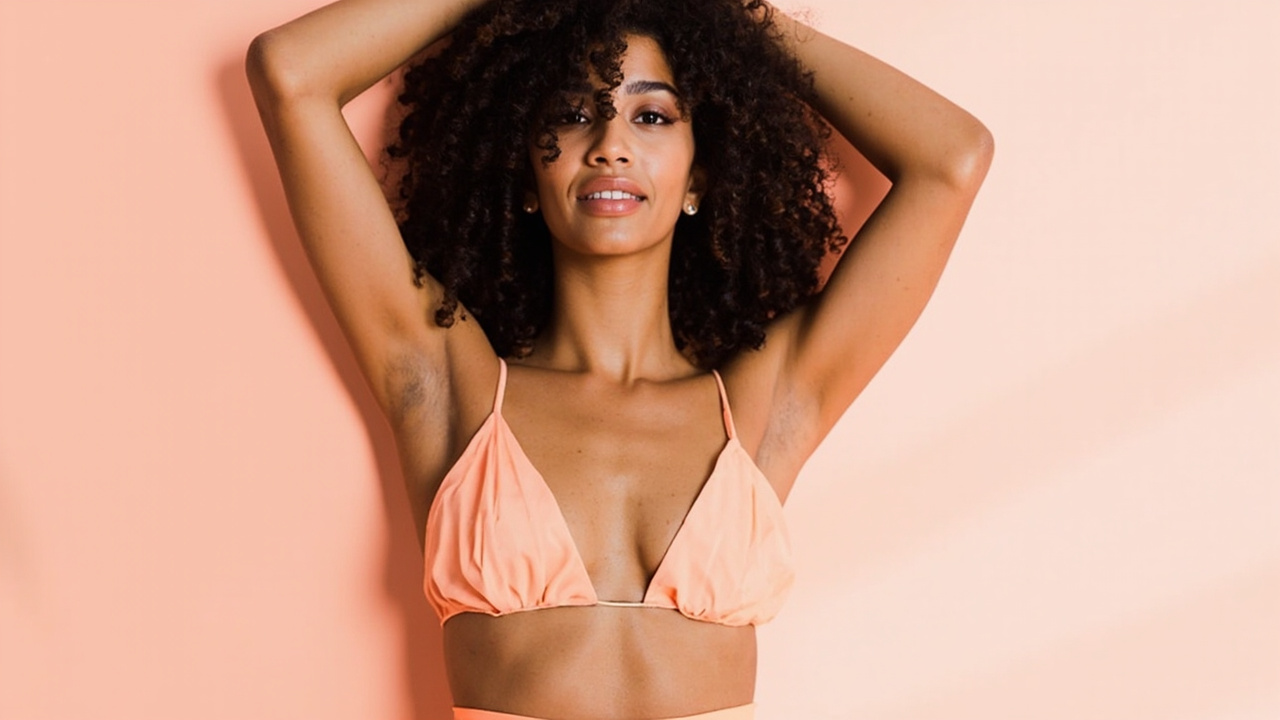
!Key Benefits of Using a Moisturizer for Curly Hair
1. Prevents Dryness and Breakage
The primary benefit is combating the natural dryness of curly hair. Moisturizers infuse the hair shaft with water and nutrients, reducing brittleness and the risk of split ends. Over time, consistent hydration strengthens the hair, minimizing breakage.
2. Defines and Enhances Curl Pattern
Well-moisturized curls spring back into shape. A good moisturizer helps clump curls together, reducing frizz and creating uniform, bouncy spirals. Products with lightweight hold (like curl creams or gels) provide definition without stiffness.
3. Reduces Frizz
Frizz occurs when the hair cuticle lifts and absorbs moisture from the air. By sealing the cuticle with emollients and occlusives, moisturizers create a barrier that prevents humidity from disrupting your curl pattern.
4. Improves Elasticity and Shine
Hydrated hair is more elastic—it stretches and returns to its original shape without snapping. Moisturizers rich in natural oils (like argan, jojoba, or coconut) also add a healthy, glossy finish that flat hair lacks.
5. Simplifies Detangling
Slippery, water-based moisturizers make it easier to run a wide-tooth comb or your fingers through curls, reducing pain and breakage during the detangling process.
6. Protects Against Heat and Environmental Damage
Many moisturizers contain antioxidants (vitamin E, green tea extract) that shield hair from UV rays, pollution, and heat styling. This is especially important for curly hair that is often straightened or blow-dried.
How to Choose the Best Moisturizer for Your Curly Hair
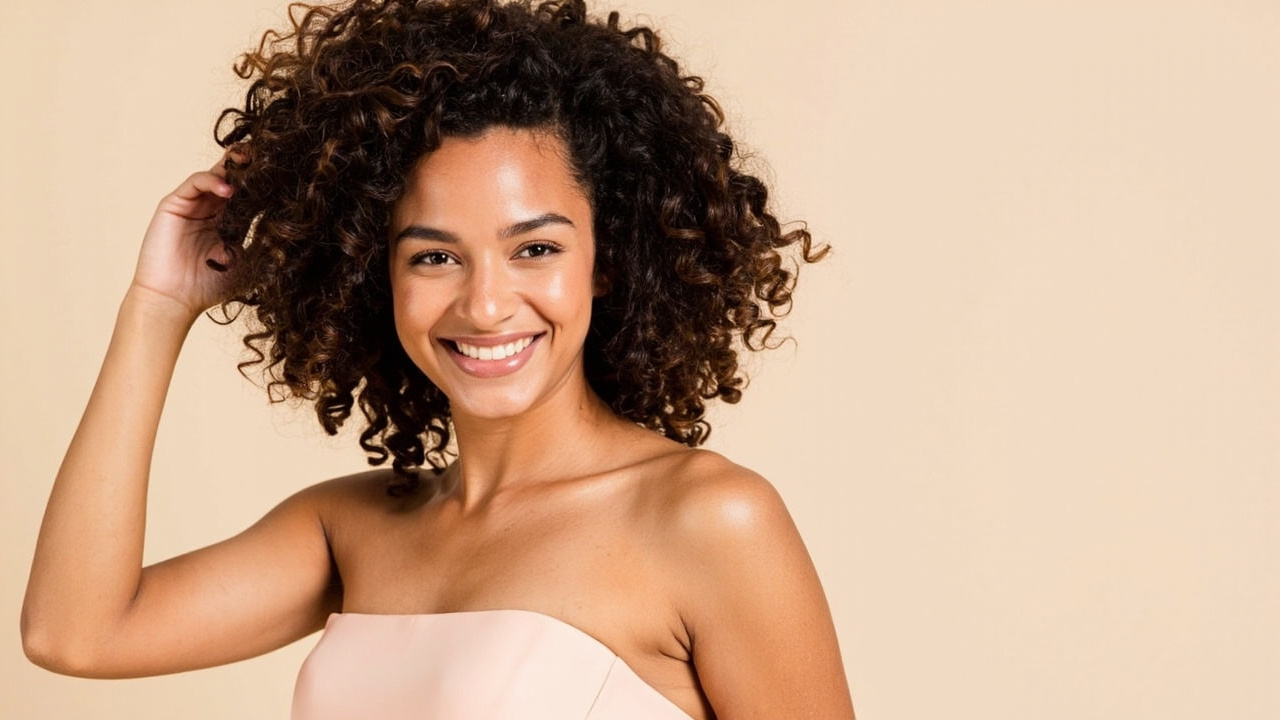
!How to Choose the Best Moisturizer for Your Curly Hair
Selecting the right moisturizer depends on your curl type, porosity, density, and specific needs. Here’s a step-by-step guide.
1. Identify Your Curl Type
- Type 2 (Wavy): Loose S-shaped waves. Need lightweight, water-based moisturizers like sprays or milks. Avoid heavy butters that can weigh waves down.
- Type 3 (Curly): Corkscrew curls. Benefit from creams or lotions with moderate hold and moisture. Look for products with shea butter, aloe vera, or glycerin.
- Type 4 (Coily/Kinky): Tight zigzag coils. Require rich, thick moisturizers like butters, oils, or heavy creams. Ingredients like mango butter, castor oil, and honey are ideal.
2. Assess Hair Porosity
Porosity determines how well your hair absorbs and retains moisture.
- Low Porosity: Cuticles are tightly packed, making it hard for moisture to penetrate. Use lightweight, water-based products with humectants (glycerin, aloe). Avoid heavy oils and butters that sit on the surface.
- High Porosity: Cuticles are raised, allowing moisture to escape quickly. Use protein-free moisturizers with occlusives (shea butter, coconut oil) to seal the cuticle. Look for ingredients like hydrolyzed proteins to strengthen.
- Normal Porosity: Balanced absorption. Most products work well.
3. Consider Hair Density and Thickness
- Fine/Thin Hair: Avoid heavy creams. Opt for mousses, sprays, or lightweight lotions.
- Thick/Coarse Hair: Can handle rich butters, creams, and oils.
4. Check the Ingredient List
- Humectants: Glycerin, aloe vera, honey, panthenol. Attract moisture from the air.
- Emollients: Shea butter, cocoa butter, coconut oil, argan oil. Soften and smooth.
- Occlusives: Lanolin, beeswax, jojoba oil. Seal moisture.
- Avoid: Sulfates, parabens, silicones (if you follow a strict “no-poo” routine), drying alcohols (SD alcohol, denatured alcohol).
5. Match to Your Styling Routine
- Leave-in conditioners: For daily moisture and detangling.
- Curl creams: For definition and hold.
- Hair butters: For deep hydration and sealing.
- Gels: For extra hold and frizz control.
- Sprays: For refreshing curls between washes.
Quick Comparison Table: Top Moisturizers for Curly Hair
| Product Name | Best For | Key Ingredients | Texture | Hold Level | Price Range |
|--------------|----------|-----------------|---------|------------|-------------|
| SheaMoisture Curl Enhancing Smoothie | Type 3-4 curls | Shea butter, coconut oil, neem oil | Thick cream | Medium | $ |
| Ouidad Advanced Climate Control Defrizzing Gel | All curl types (especially humidity) | Polyquats, glycerin, aloe | Gel | Strong | $$ |
| Cantu Shea Butter Leave-In Conditioning Cream | Type 3-4 curls, dry hair | Shea butter, coconut oil, honey | Rich cream | Light | $ |
| Kinky-Curly Knot Today | Type 2-3 curls, detangling | Organic slippery elm, marshmallow root | Lightweight lotion | None | $ |
| Aunt Jackie’s Curls & Coils Quench! | Type 3-4 curls, moisture retention | Coconut oil, shea butter, silk proteins | Creamy | Medium | $ |
| Briogeo Curl Charisma Rice Amino + Avocado Leave-In Defining Creme | Type 2-4 curls, fine hair | Rice amino acids, avocado oil, shea butter | Light cream | Medium | $$ |
| Mielle Organics Pomegranate & Honey Curl Smoothie | Type 3-4 curls, curl definition | Pomegranate oil, honey, aloe vera | Thick cream | Medium | $ |
| Ouidad Curl Quencher Moisturizing Shampoo & Conditioner | All curl types (wash day) | Glycerin, sunflower oil, vitamin E | Creamy | None | $ |
Note: Prices range from $ (under $10), $ ($10–$20), $$ (over $20).Top Recommendations by Category
Best Overall: SheaMoisture Curl Enhancing Smoothie
This cult-favorite cream is packed with shea butter, coconut oil, and neem oil—perfect for medium to thick curls. It provides excellent moisture without weighing hair down, and it defines curls beautifully. Works best on Type 3 and 4 hair. Apply to damp hair and scrunch.
Best for Fine or Wavy Hair (Type 2): Kinky-Curly Knot Today
A lightweight, leave-in conditioner that detangles like a dream. Slippery elm and marshmallow root provide slip without buildup. It’s ideal for wavy hair that needs moisture but not heaviness. Use as a detangler or leave-in.
Best for Coily/Kinky Hair (Type 4): Cantu Shea Butter Leave-In Conditioning Cream
Rich, affordable, and deeply hydrating. Cantu’s formula contains shea butter, coconut oil, and honey—perfect for sealing moisture into tight coils. It’s thick but spreads easily. Use as a daily moisturizer or under a butter for extra sealing.
Best for Humidity and Frizz Control: Ouidad Advanced Climate Control Defrizzing Gel
If you live in a humid climate, this gel is a game-changer. It creates a flexible cast that locks out moisture while keeping curls defined. Contains polyquats and glycerin. Works on all curl types. Apply to soaking wet hair, then scrunch.
Best for High Porosity Hair: Mielle Organics Pomegranate & Honey Curl Smoothie
This cream is rich in honey (a humectant) and pomegranate oil (an emollient), making it ideal for high-porosity hair that loses moisture quickly. It strengthens and defines without protein overload. Use on damp hair, focusing on ends.
Best Budget Option: Aunt Jackie’s Curls & Coils Quench!
For under $10, this moisturizer delivers salon-quality hydration. It contains coconut oil, shea butter, and silk proteins. It’s thick but not greasy—great for Type 3 and 4 curls. Apply to wet hair, then style.
Best for Daily Refresh: Briogeo Curl Charisma Rice Amino + Avocado Leave-In Defining Creme
A lightweight, protein-rich cream that revives second-day curls. Rice amino acids strengthen, while avocado oil moisturizes. It’s non-greasy and works well on fine to medium curls. Spritz with water, then apply a small amount.
Application Tips for Maximum Moisture
1. Start with Clean, Damp Hair
Moisture works best when hair is wet. After washing, gently squeeze out excess water (don’t rub with a towel). Apply your moisturizer while hair is still damp—this locks in water.
2. Use the “Prayer Hands” Method
Rub the product between your palms, then smooth it over sections of hair with your hands in a praying position. This evenly distributes the product without disrupting curl clumps.
3. Section Your Hair
For thick or long hair, divide into 4–6 sections. Apply moisturizer to each section, starting from the ends and working upward. Use a wide-tooth comb or denman brush to ensure even distribution.
4. Layer Products Strategically
- Leave-in conditioner (first) → Curl cream (second) → Gel or oil (last).
- For extra moisture, seal with a hair butter or oil after applying cream.
5. Scrunch for Definition
After applying product, scrunch your curls upward toward your scalp. This encourages curl formation and reduces frizz. Use a microfiber towel or cotton T-shirt to squeeze out excess water.
6. Air-Dry or Diffuse
Let your curls air-dry for natural volume. If you’re in a rush, use a diffuser on low heat. Avoid touching your hair while it dries to prevent frizz.
7. Refresh Between Washes
On non-wash days, spritz your hair with a water-based spray or diluted leave-in conditioner. Reapply a small amount of cream or gel to revive curls.
Side Effects and Precautions
While moisturizers are generally safe, some users may experience issues. Here’s what to watch for:
1. Product Buildup
Heavy butters and creams can accumulate on the scalp and hair, leading to dullness, itching, or clogged follicles. To prevent this:
- Use a clarifying shampoo once every 2–4 weeks.
- Rotate between lightweight and heavy products.
- Avoid applying moisturizer directly to the scalp (unless it’s a scalp-specific product).
2. Allergic Reactions
Natural ingredients like shea butter, coconut oil, or essential oils can cause irritation in sensitive individuals. Always perform a patch test:
- Apply a small amount behind your ear or on your inner arm.
- Wait 24 hours to check for redness, itching, or swelling.
3. Dryness from Humectants in Low Humidity
In dry climates, humectants like glycerin can pull moisture out of your hair instead of attracting it. If you live in a low-humidity area (below 40%), pair humectant-heavy products with an occlusive oil to seal.
4. Protein Overload
Some moisturizers contain hydrolyzed proteins (e.g., keratin, silk). Overusing protein can make hair stiff, brittle, and prone to breakage. If you notice this, switch to a protein-free moisturizer for a few washes.
5. Greasiness or Weight
Using too much product or a formula that’s too heavy for your curl type can leave hair looking greasy or limp. Start with a dime-sized amount and add more if needed. For fine hair, avoid butters and heavy oils.
6. Scalp Issues
If you have a sensitive or acne-prone scalp, avoid heavy creams near the roots. Choose water-based, non-comedogenic products. If you experience itching or flaking, discontinue use and consult a dermatologist.
Frequently Asked Questions
1. Can I use a regular body moisturizer on my curly hair?
No. Body moisturizers are formulated for skin, not hair. They often contain ingredients that can clog hair follicles, weigh down curls, or cause buildup. Always use products specifically designed for curly hair.
2. How often should I moisturize my curly hair?
It depends on your hair’s porosity and environment. Generally, coily hair needs daily moisture, while wavy hair may only need it every 2–3 days. Listen to your hair—if it feels dry or crunchy, it’s time to reapply.
3. What’s the difference between a leave-in conditioner and a curl cream?
A leave-in conditioner is primarily for hydration and detangling. It’s usually lightweight and can be used daily. A curl cream is thicker, provides hold and definition, and is often used as a styler. Many people layer them: leave-in first, then cream.
4. Can I make my own moisturizer at home?
Yes. A simple DIY recipe: mix 1 part aloe vera gel, 1 part water, and a few drops of jojoba or argan oil. Store in a spray bottle and use as a daily refresher. However, homemade products lack preservatives, so use within a week.
5. Why does my hair feel sticky after applying moisturizer?
Stickiness usually indicates too much product, a formula with high sugar content (like honey), or a humectant that’s not suited to your climate. Try using less product, switching to a water-based formula, or adding a lightweight oil on top.
Medical Disclaimer
The information provided in this article is for educational and informational purposes only and is not intended as medical advice. Individual results may vary, and what works for one person may not work for another. If you experience persistent scalp irritation, hair loss, or allergic reactions, please consult a qualified healthcare provider or dermatologist. Always perform a patch test before using new hair products. The author and publisher disclaim any liability for any adverse effects arising from the use or application of the products or techniques discussed herein.
Embrace your curls with confidence—hydration is the key to unlocking their full potential. Choose a moisturizer that respects your hair’s unique needs, and your curls will reward you with vitality and shine.
Medically Reviewed By
Dr. Emily Rodriguez, MD — Clinical DermatologistDr. Rodriguez specializes in acne and rosacea treatment. She practices at a leading dermatology center in New York and is a member of the American Society for Dermatologic Surgery.
This article was medically reviewed on 2026-06-09 for accuracy and completeness.
You May Also Like
Explore more articles in our Health collection:
- When a Persistent Rash Signals Something More: Understanding Skin Changes from Eczema to Rare Conditions
- Alpha Arbutin Benefits for Skin: The Complete Guide
- Balancing Beauty Budgets: Smart Splurges and Value Finds in Today’s Economy
Related Tools
Try these free calculators and quizzes to personalize your routine: