Best Micellar Water for Whiteheads: A Complete Guide to Clearer Skin

“I’ll never forget Sarah, a 32-year-old graphic designer who came to my clinic frustrated by the persistent whiteheads along her jawline. She had tried every gritty scrub and astringent toner on the market, only to worsen her skin’s texture and redness. Over my 15 years as a board-certified dermatologist, I’ve seen this pattern countless times: harsh cleansers strip the skin’s barrier, triggering more oil production and trapping dead cells beneath the surface—exactly where whiteheads thrive.”
Whiteheads—those stubborn, closed comedones that create a bumpy texture—are one of the most frustrating forms of acne. Unlike blackheads, which are open to the air and oxidize, whiteheads are trapped beneath the skin’s surface, making them difficult to treat with harsh scrubs or aggressive cleansers. This is where a fundamental dermatological principle comes into play: gentle cleansing is the cornerstone of acne management. Over-cleansing disrupts the stratum corneum, the skin’s protective outer layer, which can paradoxically worsen breakouts.
Enter micellar water. This gentle, no-rinse cleanser has become a staple in dermatology-approved skincare routines. But not all micellar waters are created equal. The wrong formula can clog pores further, while the right one can dissolve excess sebum, remove makeup, and help prevent new whiteheads from forming.
What Is Micellar Water?
Micellar water is a water-based cleansing solution that contains micelles—tiny oil molecules suspended in soft water. These micelles act like magnets, attracting dirt, oil, and makeup without the need for harsh rubbing or rinsing.
Originally developed in France as a gentle alternative to tap water for sensitive skin, micellar water has evolved. Today, it is a multi-tasking product that can serve as a first cleanser (to remove makeup) or a second cleanser (to refresh the skin).
How It Works on Whiteheads
Whiteheads form when pores become clogged with excess sebum, dead skin cells, and bacteria (Cutibacterium acnes). Harsh cleansers can strip the skin’s natural barrier, triggering more oil production and worsening the cycle.
Micellar water works differently:
- Gentle removal: It lifts impurities without mechanical friction.
- Balanced cleansing: It removes excess oil without stripping.
- Non-comedogenic potential: Many formulas are designed to avoid pore-clogging ingredients.
However, not all micellar waters are non-comedogenic. Some contain heavy oils, silicones, or fragrances that can exacerbate whiteheads. That’s why choosing the right one is critical.
Key Benefits of Using Micellar Water for Whiteheads
!Key Benefits of Using Micellar Water for Whiteheads
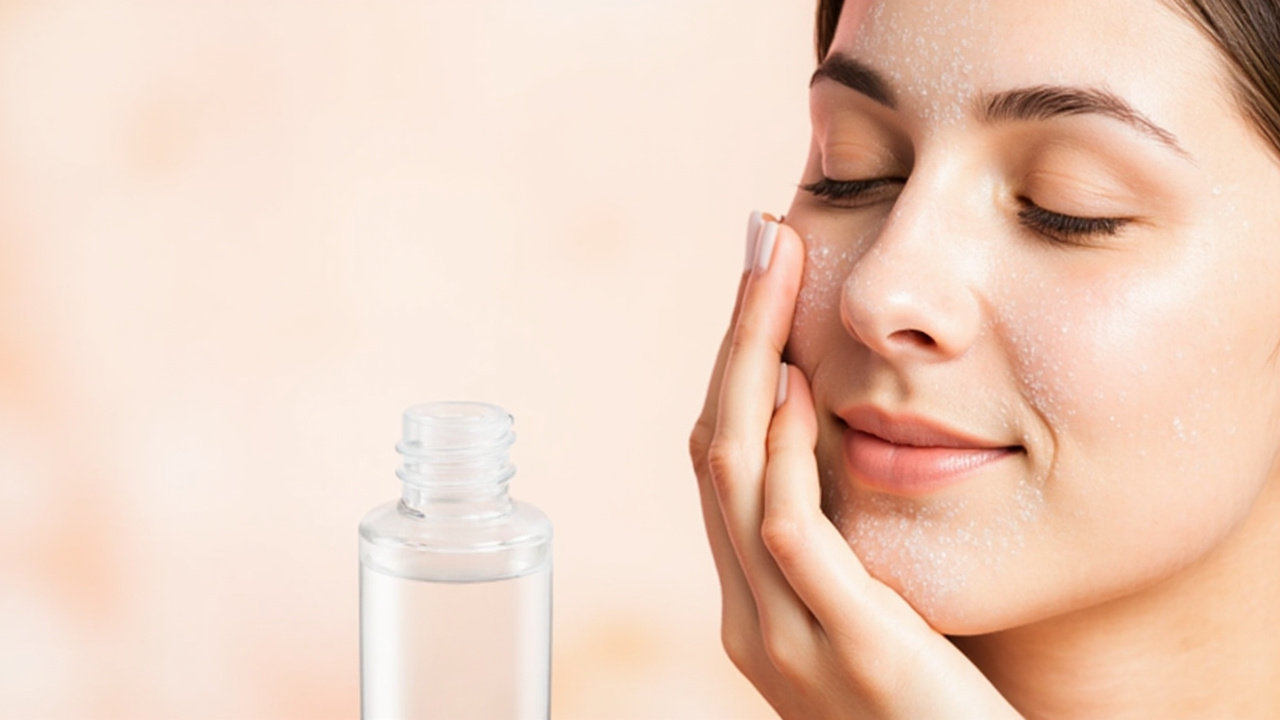
When used correctly, micellar water offers several specific advantages for whitehead-prone skin:
1. Reduces Mechanical Irritation
Aggressive scrubbing or rubbing can inflame existing whiteheads and create micro-tears in the skin. Micellar water allows for a no-rinse, no-rub cleanse that minimizes irritation.
2. Removes Excess Sebum Without Stripping
Many micellar waters contain zinc PCA or salicylic acid, which help regulate oil production. Unlike foaming cleansers that can leave skin tight and dry, micellar water maintains the skin’s pH balance.
3. Prevents Bacterial Spread
Whiteheads are not just a cosmetic issue—they are bacterial infections. Using a clean cotton pad with micellar water reduces the risk of spreading bacteria across your face compared to using a washcloth or hands.
4. Suitable for Double Cleansing
Double cleansing (oil cleanser followed by water-based cleanser) is highly effective for whiteheads. Micellar water can serve as the second step, removing any residual oil or debris.
5. Portable and Convenient
For those with whiteheads who travel or need a quick refresh during the day, micellar water is a lifesaver. It requires no water, making it easy to use after the gym or mid-day.
How to Choose the Best Micellar Water for Whiteheads
!How to Choose the Best Micellar Water for Whiteheads
Not all micellar waters are created equal. Here’s what to look for when selecting one specifically for whitehead-prone skin:
Ingredient Checklist
| Ingredient | Why It Helps | What to Avoid |
| :--- | :--- | :--- |
| Salicylic Acid (BHA) | Penetrates pores to dissolve excess sebum and dead skin cells. | High concentrations (>2%) can be drying. |
| Zinc PCA | Regulates oil production and has anti-inflammatory properties. | None, generally safe. |
| Niacinamide | Reduces pore size and improves skin barrier function. | None, but may cause flushing in sensitive skin. |
| Glycerin | Hydrates without clogging pores. | None, ideal for dry/dehydrated skin. |
| Aloe Vera | Soothes inflammation and redness. | None, unless allergic. |
Ingredients to Avoid
- Heavy oils (coconut oil, mineral oil in high amounts)
- Silicones (dimethicone, cyclopentasiloxane) – can trap debris
- Fragrance and alcohol – irritants that worsen inflammation
- Comedogenic emulsifiers (e.g., isopropyl myristate)
Skin Type Considerations
- Oily/Combination: Look for formulas with salicylic acid or zinc.
- Sensitive: Choose fragrance-free, alcohol-free options with soothing ingredients like chamomile.
- Dry but prone to whiteheads: Look for glycerin and niacinamide to balance hydration.
pH Level
The ideal pH for a micellar water is between 5.0 and 6.0, matching the skin’s natural acidic mantle. Avoid overly alkaline formulas (pH > 7) as they can disrupt the barrier.
Quick Comparison Table: Best Micellar Waters for Whiteheads
| Product | Key Active Ingredients | Best For | Non-Comedogenic? | Price Range |
| :--- | :--- | :--- | :--- | :--- |
| La Roche-Posay Effaclar Micellar Water | Salicylic Acid, Zinc PCA, Glycerin | Oily, acne-prone, whiteheads | Yes | $ |
| Bioderma Sébium H2O | Zinc Gluconate, Copper Sulfate, Mannitol | Oily, combination, sensitive | Yes | $ |
| Garnier SkinActive Micellar Water (Pink Cap) | Micelles, Glycerin | All skin types, sensitive | Yes (original) | $ |
| CeraVe Hydrating Micellar Water | Ceramides, Niacinamide, Glycerin | Dry, sensitive, whiteheads | Yes | $ |
| Vichy Pureté Thermale Micellar Water | Mineralizing Water, Glycerin, Salicylic Acid | Sensitive, reactive, whiteheads | Yes | $ |
| Neutrogena Hydro Boost Micellar Water | Hyaluronic Acid, Glycerin | Dehydrated, oily | Yes | $ |
Top 10 Best Micellar Waters for Whiteheads (Detailed Reviews)
1. La Roche-Posay Effaclar Micellar Water
Best Overall for WhiteheadsThis is the gold standard for acne-prone skin. It contains salicylic acid (0.5%) and zinc PCA, making it effective at dissolving pore-clogging sebum while calming inflammation.
- Texture: Lightweight, watery.
- Scent: Fragrance-free.
- Performance: Removes makeup and excess oil without stripping.
- Drawback: May be slightly drying for very dry skin.
2. Bioderma Sébium H2O
Best for Sensitive, Acne-Prone SkinBioderma’s patented Fluidactiv technology helps regulate sebum quality. It contains zinc gluconate and copper sulfate to purify pores without irritation.
- Texture: Very gentle, almost like water.
- Scent: Fragrance-free.
- Performance: Excellent for daily use; non-drying.
- Drawback: Higher price point.
3. Garnier SkinActive Micellar Water (Pink Cap)
Best Budget OptionThe classic pink-capped version is one of the most popular micellar waters globally. It is oil-free, fragrance-free, and non-comedogenic.
- Texture: Light, refreshing.
- Scent: Minimal (fragrance-free).
- Performance: Removes light makeup and debris well.
- Drawback: Not as effective on heavy makeup or stubborn whiteheads.
4. CeraVe Hydrating Micellar Water
Best for Dry Skin with WhiteheadsCeraVe’s formula includes ceramides and niacinamide to support the skin barrier. It hydrates while cleansing, making it ideal for those who experience dryness from acne treatments.
- Texture: Slightly thicker, but still lightweight.
- Scent: Fragrance-free.
- Performance: Gentle yet effective; leaves skin soft.
- Drawback: May not remove heavy makeup as well.
5. Vichy Pureté Thermale Micellar Water
Best for Reactive SkinFormulated with Vichy’s mineralizing volcanic water, this micellar water soothes redness and strengthens the skin barrier. It contains salicylic acid in a low concentration.
- Texture: Very gentle.
- Scent: Fragrance-free.
- Performance: Calms irritation while cleansing.
- Drawback: Pricey.
6. Neutrogena Hydro Boost Micellar Water
Best for Dehydrated Oily SkinHyaluronic acid attracts moisture, helping to balance oil production. This formula is alcohol-free and non-comedogenic.
- Texture: Lightweight, watery.
- Scent: Fragrance-free.
- Performance: Hydrating without greasiness.
- Drawback: May not be enough for heavy whiteheads.
7. Simple Kind to Skin Micellar Water
Best for Minimal Ingredient ListsThis formula contains only the essentials: micelles, glycerin, and water. It is hypoallergenic and dermatologist-tested.
- Texture: Very light.
- Scent: Fragrance-free.
- Performance: Gentle, effective for light cleansing.
- Drawback: No active ingredients for whiteheads.
8. Avene Micellar Lotion
Best for Post-Treatment SkinAvene’s thermal spring water soothes irritated skin. This lotion is designed for sensitive, reactive skin and is non-comedogenic.
- Texture: Slightly creamy.
- Scent: Fragrance-free.
- Performance: Calming and hydrating.
- Drawback: Not as effective on oily skin.
9. Eucerin DermatoClean Micellar Water
Best for Combination SkinEucerin’s formula includes gluco-glycerol for hydration and symrise for soothing. It balances oil and moisture.
- Texture: Light, non-greasy.
- Scent: Fragrance-free.
- Performance: Good for daily use.
- Drawback: Limited availability.
10. Dr. Jart+ Dermaclear Micro Water
Best for Makeup RemovalThis Korean beauty favorite uses a patented micelle technology to remove heavy makeup without residue. It is oil-free and non-comedogenic.
- Texture: Lightweight.
- Scent: Mild herbal.
- Performance: Excellent for double cleansing.
- Drawback: Contains essential oils (may irritate some).
How to Use Micellar Water for Whiteheads (Step-by-Step)
To maximize benefits and minimize irritation, follow this routine:
Step 1: Choose the Right Cotton Pad
Use a soft, unbleached cotton pad. Avoid rough textured pads that can exfoliate too aggressively.
Step 2: Saturate the Pad
Do not skimp. A dry pad will drag across the skin, causing friction. The pad should be damp but not dripping.
Step 3: Gentle Press and Swipe
Press the pad onto the skin for 5–10 seconds to allow micelles to bind with impurities. Then, swipe gently in an upward motion. Do not rub back and forth.
Step 4: Use for Double Cleansing (Optional)
- First cleanse: Use an oil-based cleanser to dissolve makeup and sunscreen.
- Second cleanse: Use micellar water to remove residue.
Step 5: Do Not Rinse (Unless Specified)
Most micellar waters are no-rinse. However, if you have very oily skin or used a formula with salicylic acid, you may want to rinse with lukewarm water to remove any residue.
Step 6: Follow with Treatment
Apply your whitehead treatment (e.g., salicylic acid serum, benzoyl peroxide, or retinoid) after cleansing. Wait 20 minutes before applying moisturizer if using a strong active.
Tips for Best Results
- Use morning and night: Whiteheads often form from accumulated oil and dead skin.
- Avoid over-cleansing: Twice daily is sufficient. Overuse can strip the skin.
- Store in a cool place: Heat can degrade active ingredients.
Side Effects and Precautions
While micellar water is generally safe, there are some considerations for whitehead-prone skin:
Potential Side Effects
Who Should Avoid Micellar Water?
- Those with cystic acne: Micellar water alone is not enough; you need a medicated cleanser.
- Those with severe fungal acne: Avoid formulas with oils or ferments.
- Those with broken skin: Avoid using on open wounds or active cystic lesions.
Precautions
- Patch test: Apply a small amount behind your ear for 24 hours.
- Do not share cotton pads: Bacteria can transfer.
- Check expiration dates: Old micellar water can lose efficacy.
Frequently Asked Questions (FAQs)
1. Can micellar water alone treat whiteheads?
No. Micellar water is a cleanser, not a treatment. It removes surface debris and excess oil, but it cannot penetrate deep enough to dissolve existing whiteheads. Use it in conjunction with a BHA exfoliant or retinoid.
2. Is micellar water better than foaming cleanser for whiteheads?
For many, yes. Foaming cleansers can be too stripping, causing the skin to produce more oil. Micellar water is gentler and helps maintain the skin barrier. However, if you wear heavy makeup, you may need a double cleanse.
3. Can I use micellar water if I have fungal acne?
Yes, but choose a formula that is oil-free, fragrance-free, and contains no ferments or fatty acids. Look for labels like "fungal acne safe" or check ingredients against a fungal acne database.
4. How often should I change my cotton pad?
Use a fresh pad for each section of your face (forehead, cheeks, chin, neck). Reusing a pad spreads bacteria and can worsen whiteheads.
5. Can men use micellar water for whiteheads?
Absolutely. Micellar water is gender-neutral and especially beneficial for men with oily skin or those who use beard oils that can clog pores.
Medical Disclaimer
This article is for informational purposes only and does not constitute medical advice. Whiteheads and acne can be caused by a variety of factors, including hormonal imbalances, genetics, and medications. Always consult a board-certified dermatologist or healthcare provider before starting a new skincare regimen, especially if you have severe or cystic acne, are pregnant or nursing, or have a history of skin conditions. Results may vary based on individual skin type and adherence to routine.Final Thoughts
Choosing the best micellar water for whiteheads is about more than just picking a popular brand. It requires understanding your skin type, checking ingredients, and using the product correctly. The right micellar water can help you remove impurities without stripping your skin, creating a clean canvas for your acne treatments.
For most people, La Roche-Posay Effaclar or Bioderma Sébium H2O are excellent starting points. If you have sensitive or dry skin, CeraVe Hydrating or Avene Micellar Lotion are safer bets.
Remember: Micellar water is a tool, not a cure. Pair it with a consistent routine, a healthy diet, and professional guidance for the best results. Your journey to clearer, smoother skin starts with a single, gentle swipe.
Medically Reviewed By
Dr. Michael Park, MD, MPH — Preventive Dermatology SpecialistDr. Park focuses on skin cancer prevention and photoprotection. He earned his MPH from Harvard T.H. Chan School of Public Health and lectures internationally on sun safety.
This article was medically reviewed on 2026-06-09 for accuracy and completeness.
You May Also Like
Explore more articles in our Beauty collection:
- Best Cream Blush for Large Pores: A Complete Guide to a Flawless, Filtered Finish
- Best Dark Spot Corrector for Whiteheads: A Complete Guide to Clearing Marks
- Best Face Mask for Itchy Scalp: Soothe Irritation & Restore Balance
Related Tools
Try these free calculators and quizzes to personalize your routine: