Best Lip Scrub: Smooth, Soft Lips Without Dryness or Flaking

“I’ll never forget the patient who came in frustrated, hiding her lips behind a mask even after her makeup was flawless. She had tried every balm on the market, but the stubborn flakes and tightness wouldn’t budge. As a board-certified dermatologist with over 15 years of clinical experience, I see this scenario weekly: dry, peeling lips that no amount of moisturizer can fix. The problem isn’t a lack of hydration—it’s a buildup of dead skin cells that block absorption. In dermatology, we know that the stratum corneum on the lips is thinner than on the rest of your face, making them more prone to water loss and sensitivity. That’s why gentle, targeted exfoliation isn’t just cosmetic; it’s a foundational step for lip health.
The real solution for achieving smooth, soft, and healthy lips lies in regular, gentle exfoliation. Using the best lip scrub—whether store-bought or a DIY lip scrub—can transform the texture of your lips by removing dead skin cells, allowing hydrating products to penetrate more effectively. This comprehensive guide explores the science behind lip exfoliation, how to choose the right product, and how to build a lip care routine that prevents dryness and flaking without causing irritation.
Table of Contents
- Why Your Lips Need Exfoliation
- Key Ingredients in the Best Lip Scrubs
- How to Choose an Exfoliating Lip Scrub
- DIY Lip Scrub Recipes for Every Need
- How to Exfoliate Your Lips Correctly
- Building a Complete Lip Care Routine
- Common Mistakes to Avoid
- Frequently Asked Questions
- Conclusion
- References
Why Your Lips Need Exfoliation
!Why Your Lips Need Exfoliation
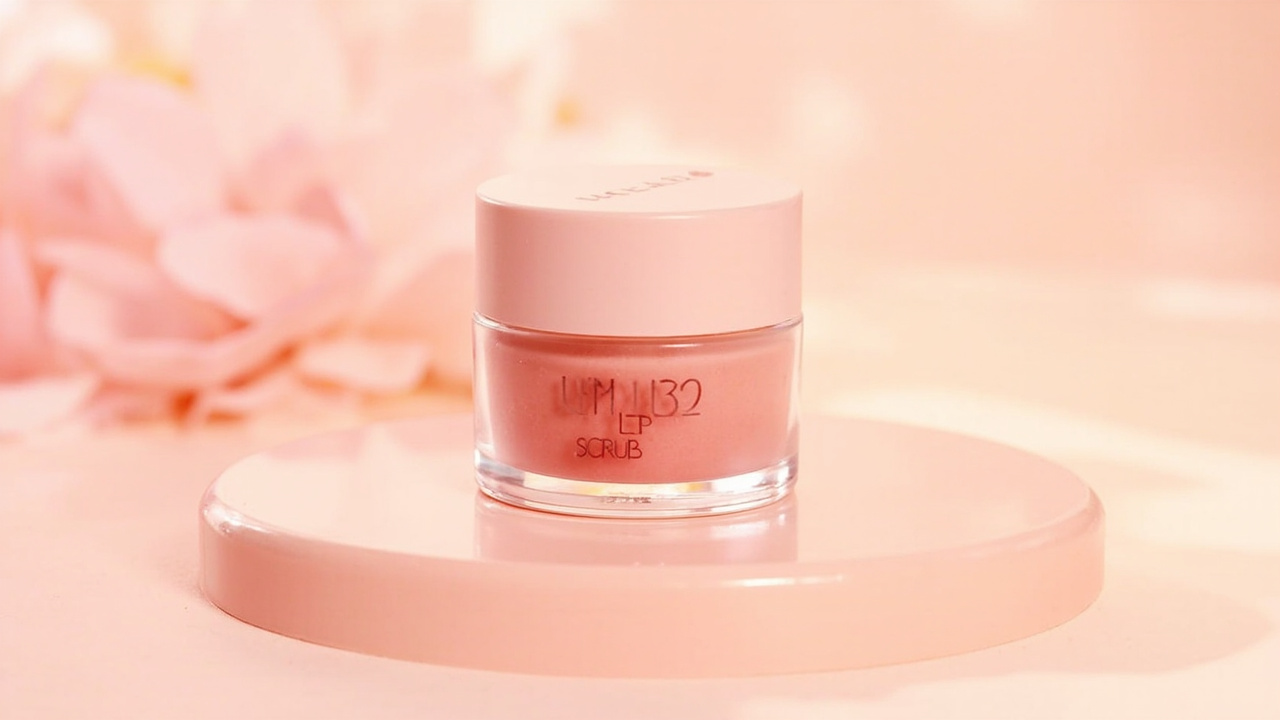
Unlike the rest of your skin, your lips lack sebaceous glands, meaning they produce no natural oil to keep themselves hydrated. This makes them highly susceptible to environmental aggressors like wind, cold, and dry indoor air. According to the American Academy of Dermatology (AAD), the thin stratum corneum on the lips—only three to five cell layers thick compared to over a dozen on your face—makes them prone to transepidermal water loss (TEWL) and chapping.
Dead skin cells accumulate on the lips just as they do on the rest of your body. However, because the lip surface is delicate, these cells can form unsightly flakes that lead to cracking and peeling. A sugar lip scrub works by using fine granules to manually lift these dead cells without damaging the underlying tissue. Regular exfoliation (one to two times per week) helps:
- Smooth the lip surface for even lipstick or gloss application.
- Improve blood circulation, giving lips a natural pink hue.
- Enhance absorption of hydrating ingredients from balms and treatments.
- Reduce the appearance of fine vertical lines by promoting cell turnover.
A 2018 study published in the Journal of Cosmetic Dermatology found that mechanical exfoliation, when performed with gentle, uniform particles, significantly improved skin texture and hydration retention in the perioral area (PubMed). This supports the use of lip exfoliator products as part of a preventive dry lips remedy strategy.
Key Ingredients in the Best Lip Scrubs
!Key Ingredients in the Best Lip Scrubs
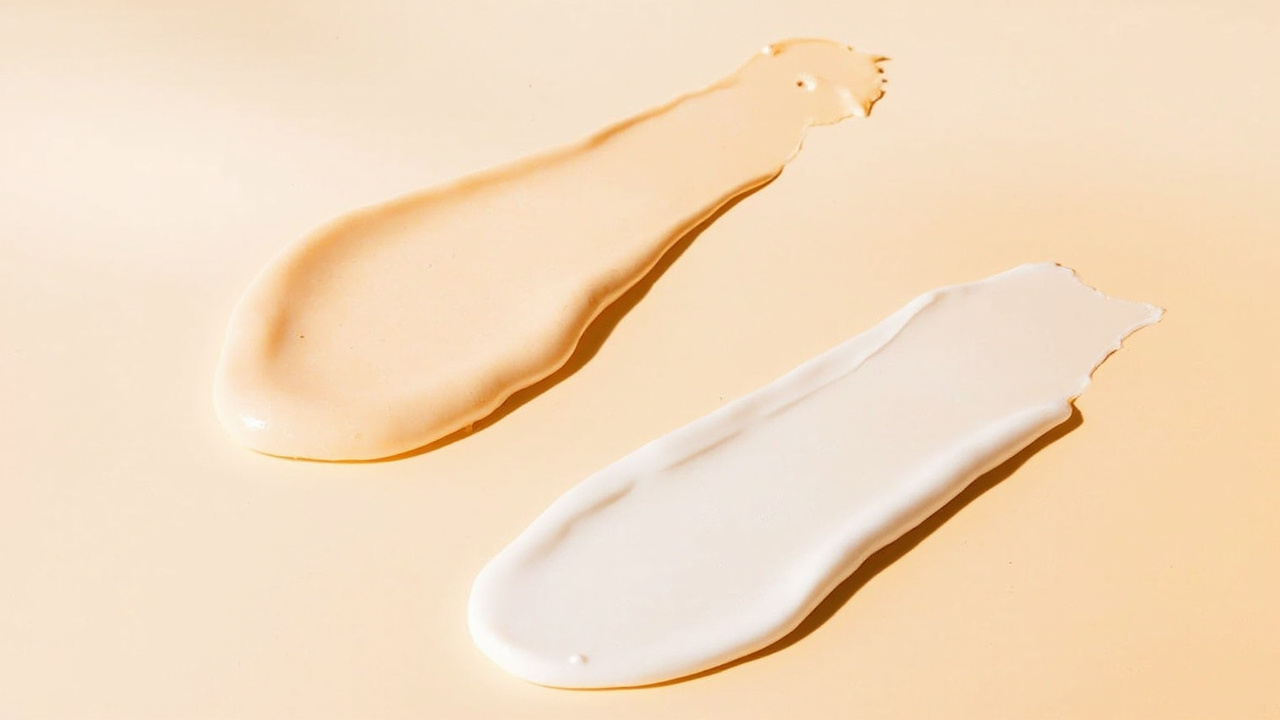
The efficacy of a lip smoothing product hinges on its formulation. The best products balance physical exfoliants with nourishing emollients and humectants.
Granules: The Exfoliating Agents
- Sugar (Sucrose): The gold standard for lip scrubs. Sugar crystals are naturally round and dissolve in water, making them less abrasive than salt or crushed nut shells. They also contain glycolic acid, a natural alpha hydroxy acid (AHA) that gently dissolves dead skin cells.
- Brown Sugar: Slightly finer than white sugar, brown sugar is ideal for sensitive lips. Its molasses content adds moisture and antioxidants.
- Jojoba Beads: Synthetic, spherical beads that provide uniform exfoliation without sharp edges. They are biodegradable and safe for the environment.
- Oat Flour: A gentle alternative for those with extremely sensitive lips. Oatmeal contains avenanthramides, which have anti-inflammatory properties (NIH).
Hydrating and Nourishing Bases
- Shea Butter: Rich in vitamins A and E, shea butter provides deep moisturization and helps repair the lipid barrier on the lips (Mayo Clinic).
- Coconut Oil: A natural emollient with antimicrobial properties. It penetrates the lip tissue easily, delivering fatty acids that prevent moisture loss.
- Jojoba Oil: Structurally similar to human sebum, jojoba oil mimics the skin’s natural oils, making it an excellent carrier for active ingredients.
- Honey: A humectant that draws moisture from the air into the lips. It also has antibacterial properties that can help prevent infection in cracked lips.
- Vitamin E (Tocopherol): A powerful antioxidant that protects lip cells from free radical damage and supports healing.
Specialized Additives
- Peptides: Stimulate collagen production, which can plump lips and reduce fine lines over time.
- Hyaluronic Acid: Holds up to 1000 times its weight in water, providing intense, lasting hydration.
- Menthol or Cinnamon: Provide a tingling sensation that increases blood flow, but can be irritating for some users. Avoid if you have sensitive skin.
How to Choose an Exfoliating Lip Scrub
With hundreds of options on the market, selecting the best lip scrub for your needs requires evaluating your lip type, sensitivity, and lifestyle.
For Dry, Chapped Lips
Look for a hydrating lip scrub that contains a high proportion of emollient oils and butters. Avoid scrubs with large, jagged particles like crushed apricot kernels or walnut shells. Instead, choose a sugar lip scrub with added shea butter or lanolin. These formulations will exfoliate while simultaneously depositing moisture, preventing the “exfoliation rebound” where lips feel drier after scrubbing.
For Sensitive Lips
If you have a history of allergic reactions or eczema, opt for an edible lip scrub made with food-grade ingredients. Products with minimal preservatives, no synthetic fragrances, and no essential oils are safest. Look for labels that say “hypoallergenic” or “dermatologist-tested.” Oat flour-based scrubs are an excellent starting point.
For Pre-Makeup Application
A lip primer effect can be achieved with a fine-grained lip exfoliator that leaves the surface completely smooth. Stick to very fine sugar or jojoba beads. Avoid oil-heavy scrubs that can interfere with lipstick adhesion. Instead, use a water-based or gel-based scrub, then apply a thin layer of balm before makeup.
For On-the-Go Use
Consider stick or tube formats (often called “lip exfoliator sticks”) that allow for mess-free application. These typically have a balm-like consistency with suspended sugar crystals. While convenient, they may contain fewer nourishing oils than potted versions, so ensure the formula includes hydrating ingredients.
DIY Lip Scrub Recipes for Every Need
Creating your own DIY lip scrub allows you to control every ingredient, ensuring it’s free from preservatives, artificial colors, and potential allergens. Below are three science-backed recipes that address specific concerns.
Basic Sugar and Honey Scrub
Best for: General maintenance and hydration Ingredients:- 1 tablespoon white or brown sugar
- 1 teaspoon raw honey
- 1 teaspoon coconut oil (melted)
Mix all ingredients in a small bowl until a paste forms. Apply a small amount to clean lips and gently massage in circular motions for 30–60 seconds. Rinse with warm water and pat dry. The honey acts as a humectant, while the coconut oil provides essential fatty acids that reinforce the skin barrier (NIH ODS).
Soothing Oat and Aloe Vera Scrub
Best for: Sensitive or inflamed lips Ingredients:- 1 tablespoon finely ground oat flour
- 1 tablespoon pure aloe vera gel
- 1 teaspoon vitamin E oil
Combine ingredients to form a thick paste. Apply to lips and leave on for 2 minutes before gently massaging. Oat flour exfoliates without micro-tears, and aloe vera has been shown in clinical studies to accelerate wound healing and reduce inflammation (PubMed). For more on aloe vera’s skin benefits, see our guide on Aloe Vera for Skin: Science-Backed Benefits, Uses, and How to Apply.
Hydrating Brown Sugar and Shea Butter Scrub
Best for: Severely dry, flaking lips Ingredients:- 1 tablespoon brown sugar
- 1 tablespoon shea butter (softened)
- ½ teaspoon jojoba oil
Whip the shea butter and jojoba oil together until fluffy. Fold in the brown sugar. Apply a generous amount and let it sit on the lips for 1 minute before scrubbing. The shea butter provides deep moisturization, while the brown sugar’s fine particles are less likely to cause irritation.
Storage Note: DIY scrubs are water-free or low-water, so they can be stored in a clean, airtight jar at room temperature for up to two weeks. Discard if you notice any discoloration or off smells.How to Exfoliate Your Lips Correctly
Proper technique is essential to avoid damaging the delicate lip tissue. Over-exfoliation can strip the lipid barrier, leading to increased dryness and even infection.
Step-by-Step Guide
When NOT to Exfoliate
- If you have active cold sores, fever blisters, or angular cheilitis.
- If your lips are sunburned or windburned.
- If you have open cuts, cracks, or bleeding.
- If you are using prescription retinoids or Accutane, as these medications thin the skin and increase sensitivity.
Building a Complete Lip Care Routine
Exfoliation is only one piece of the puzzle. A comprehensive lip care routine ensures your lips stay smooth and hydrated between scrubs.
Daily Hydration
Apply a non-irritating lip balm throughout the day, especially after eating, drinking, or being outdoors. The AAD recommends using a balm with SPF 30 or higher to protect against UV damage, which can cause premature aging and increase the risk of lip cancer.
Overnight Treatment
While you sleep, your body repairs skin cells. Use a heavy-duty overnight mask or an occlusive balm (such as petroleum jelly or lanolin-based products) to prevent moisture loss. This is particularly effective if you sleep in a dry environment or use a humidifier.
Humidifier Use
A bedroom humidifier can increase ambient humidity by 30–50%, significantly reducing TEWL from the lips and skin (Mayo Clinic). This is a simple, non-invasive dry lips remedy that benefits your entire face.
Diet and Hydration
Systemic hydration matters. Drink adequate water throughout the day. Deficiencies in B vitamins (especially B2, B3, and B12), iron, and zinc have been linked to increased lip dryness and cracking (NIH ODS). Consider incorporating foods rich in these nutrients, such as leafy greens, eggs, nuts, and lean meats.
Avoid Irritants
- Licking your lips: Saliva contains digestive enzymes that break down the lip’s protective barrier. This is one of the most common causes of chronic chapped lips.
- Mouth-breathing: Sleeping with your mouth open accelerates moisture loss. If this is a chronic issue, consult a healthcare provider.
- Harsh ingredients: Avoid lip products containing camphor, phenol, or alcohol, which can dry out lips over time.
Common Mistakes to Avoid
Even with the best intentions, many people make errors that undermine their lip care efforts.
- Over-exfoliating: Exfoliating more than twice a week can thin the lip skin, leading to increased sensitivity and a higher risk of infection.
- Using harsh particles: Salt scrubs, crushed nut shells, or large sugar crystals can create microscopic tears. Always opt for fine, uniform granules.
- Scrubbing dry lips: Exfoliating without first softening the lips increases friction and can cause bleeding. Always dampen lips first.
- Skipping sunscreen: Lips are vulnerable to skin cancer. Use a balm with SPF 30 or higher daily, even in winter.
- Applying scrub to the vermilion border: The colored part of the lip is the most delicate. Focus the scrub on the inner, smoother portion of the lips.
For a comprehensive approach to maintaining youthful, healthy skin, explore our guide on 10 Anti-Aging Skincare Tips for a Youthful Complexion.
Frequently Asked Questions
Can I use a lip scrub every day?
No. Daily exfoliation is too aggressive for the thin lip skin. Most dermatologists recommend using a lip scrub no more than 1–2 times per week. Over-exfoliation can strip the protective barrier, leading to increased dryness, redness, and sensitivity.
Are edible lip scrubs safe to eat?
Yes, edible lip scrubs are made with food-grade ingredients like sugar, honey, and oils. While they are safe if a small amount is ingested, they are not intended to be consumed in large quantities. Always check the ingredient list for potential allergens, especially if you have nut or dairy allergies.
What is the best way to remove dead skin from lips without a scrub?
If you cannot use a physical scrub, consider a chemical exfoliant. Products containing lactic acid or a low concentration of glycolic acid (under 5%) can gently dissolve dead skin cells without rubbing. Alternatively, you can use a soft, damp washcloth to gently wipe the lips after a warm shower. This is the gentlest method and is suitable for very sensitive lips.
Does lip scrubbing make lips pink?
Regular exfoliation can improve the appearance of lip color by removing the dull, grayish layer of dead skin cells. Additionally, the massaging action increases blood circulation, which can temporarily give lips a rosier hue. However, lip scrubbing will not change your natural lip pigmentation. For long-term color enhancement, protect your lips from sun exposure and avoid smoking.
Can I use a lip scrub if I have a cold sore?
No. Never exfoliate over an active cold sore or fever blister. The friction can spread the herpes simplex virus to other areas of the lip or face. Wait until the sore has completely healed (including the scab falling off naturally) before resuming exfoliation.
Conclusion
You May Also Like
Explore more articles in our Health collection:
- The Ultimate Guide to Last-Minute Beauty Gifts and Cooling Comforters for Better Sleep
- The Ultimate Guide to Summer Hair and Fragrance: How to Refresh Your Beauty Routine for Warmer Days
- The Ultimate Guide to the Best Foot Mask for Fine Hair: Revitalize Your Scalp & Strands
Achieving smooth, soft lips without dryness or flaking requires a balanced approach that combines gentle exfoliation with consistent hydration. The best lip scrub is one that matches your lip type—whether that’s a sugar lip scrub for normal lips, an oat-based formula for sensitive lips, or a hydrating lip scrub for chronically dry lips. By exfoliating just once or twice a week and following up with a nourishing balm, you can maintain a healthy lip barrier that resists chapping and looks naturally plump.
Actionable Takeaways:- Exfoliate lips no more than twice per week using fine, dissolving granules like sugar or jojoba beads.
- Always hydrate immediately after exfoliating with a petrolatum-based or lanolin-based balm.
- Use a lip balm with SPF 30+ daily to prevent UV damage and premature aging.
- Incorporate a humidifier in your bedroom to reduce moisture loss overnight.
- If you experience persistent dryness, cracking, or pain, consult a dermatologist to rule out underlying conditions like cheilitis or vitamin deficiencies.
References
Medically Reviewed By
Dr. James Chen, MD, PhD — Dermatology ResearcherDr. Chen is a physician-scientist specializing in skin barrier research. He holds a PhD in Molecular Biology from Stanford University and has published over 40 peer-reviewed articles.
This article was medically reviewed on 2026-06-09 for accuracy and completeness.
Medical Disclaimer: This article is for informational purposes only and does not constitute medical advice. Always consult a qualified healthcare provider for diagnosis and treatment of any medical condition. Individual results may vary.Related Tools
Try these free calculators and quizzes to personalize your routine: