Best Drugstore Face Serum for Inflammation

Why Drugstore Serums Are Effective for Inflammation
Drugstore serums are affordable and effective. They contain proven ingredients that calm inflammation. Many are backed by dermatologists. You do not need a prescription for these products.
Inflammation causes redness, swelling, and discomfort. It can result from acne, rosacea, or sensitivity. Drugstore serums target these symptoms without breaking the bank.
These serums are formulated with soothing ingredients. They are often fragrance-free and gentle. Many are tested for sensitive skin. This makes them a safe choice for daily use.
Key Ingredients to Look for in an Anti-Inflammatory Serum
!Key Ingredients to Look for in an Anti-Inflammatory Serum
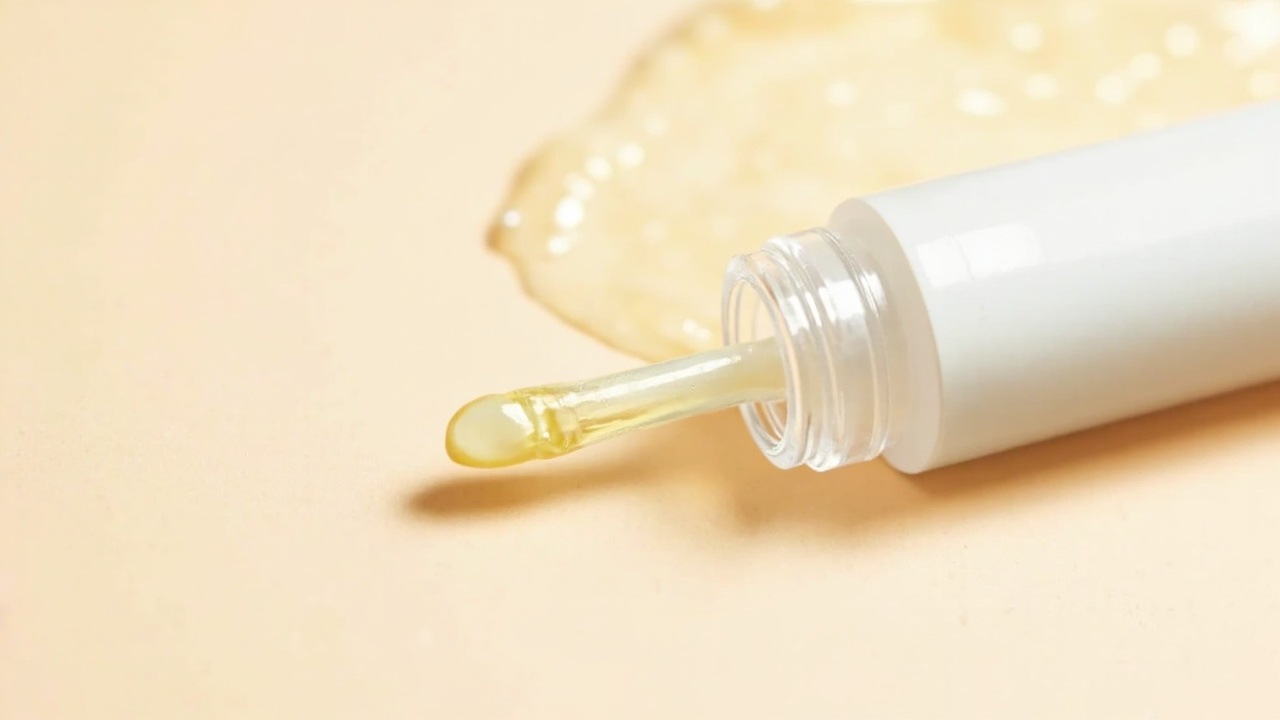
Choosing the right serum starts with ingredients. Look for these proven compounds:
Niacinamide
Niacinamide is a form of vitamin B3. It reduces redness and inflammation. It also strengthens the skin barrier. Studies show it helps with acne and rosacea. Niacinamide is well-tolerated by most skin types.
Centella Asiatica (Cica)
Centella asiatica, or cica, is a plant extract. It has anti-inflammatory properties. It promotes wound healing and collagen production. Cica soothes irritation and redness. It is popular in Korean skincare.
Green Tea Extract
Green tea is rich in antioxidants. It contains polyphenols like EGCG. These compounds reduce inflammation. They protect skin from UV damage. Green tea also calms acne and rosacea.
Azelaic Acid
Azelaic acid is a natural acid from grains. It reduces inflammation and kills bacteria. It treats acne and rosacea. It also fades dark spots. Azelaic acid is gentle and safe for long-term use.
Top 5 Best Drugstore Face Serums for Inflammation
!Top 5 Best Drugstore Face Serums for Inflammation
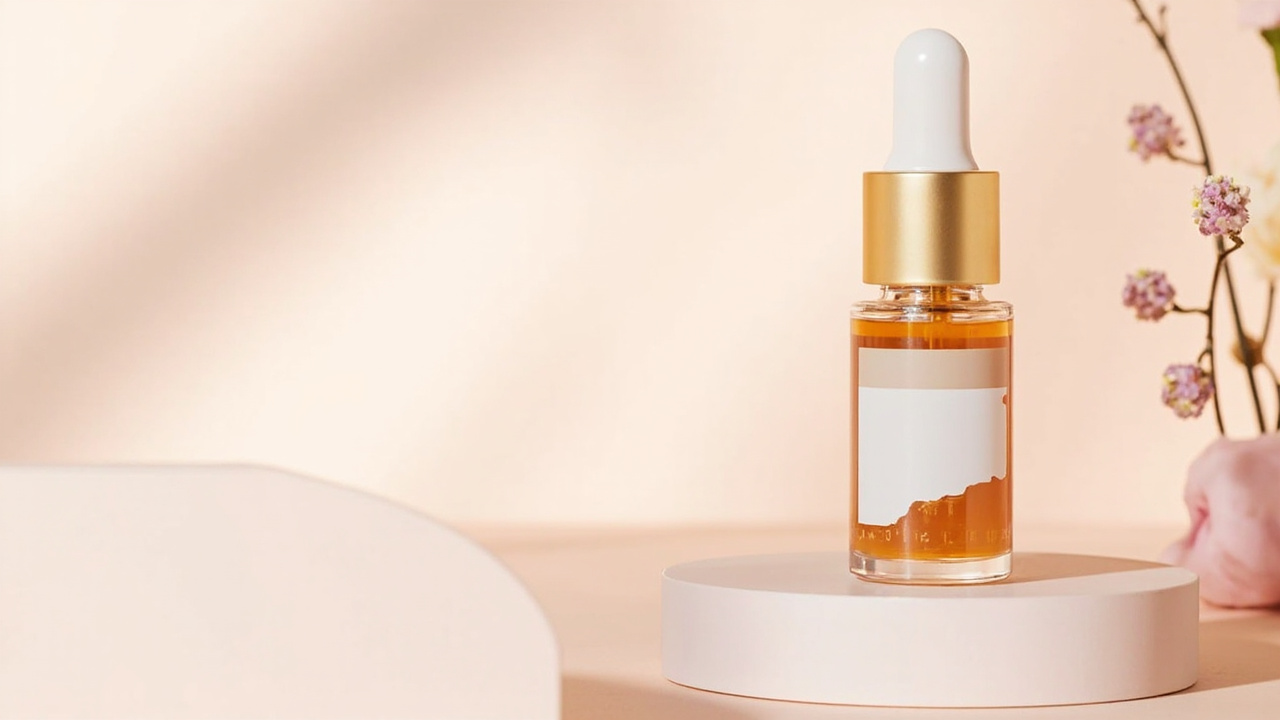
Here are the top drugstore serums for inflammation. They are affordable and effective.
1. La Roche-Posay Cicaplast Baume B5
This balm is not a serum but works like one. It contains centella asiatica and panthenol. It soothes irritation and repairs the skin barrier. It is ideal for sensitive and inflamed skin. It is fragrance-free and non-comedogenic.
2. The Ordinary Niacinamide 10% + Zinc 1%
This serum has a high concentration of niacinamide. Zinc reduces oil and inflammation. It helps with acne and redness. It is water-based and lightweight. It is suitable for oily and combination skin.
3. CeraVe Skin Renewing Vitamin C Serum
This serum contains vitamin C and ceramides. Vitamin C is an antioxidant that reduces inflammation. Ceramides restore the skin barrier. It also includes niacinamide. It is gentle and fragrance-free.
4. Aveeno Calm + Restore Triple Oat Serum
This serum uses oat extract. Oats have anti-inflammatory properties. They soothe redness and itching. The serum also contains feverfew and prebiotic oat. It is designed for sensitive skin.
5. Neutrogena Hydro Boost Water Gel
This gel-cream hydrates and calms. It contains hyaluronic acid and glycerin. It is oil-free and non-comedogenic. It soothes dry, inflamed skin. It is best for dehydrated skin.
How to Choose the Right Serum for Your Skin Type
Choose a serum based on your skin type:
- Oily/acne-prone skin: Look for niacinamide or azelaic acid. They reduce oil and inflammation. Avoid heavy oils.
- Dry skin: Use serums with cica or oat. They moisturize and soothe. Look for hyaluronic acid.
- Sensitive skin: Choose fragrance-free formulas. Centella asiatica and green tea are gentle. Avoid alcohol and essential oils.
- Combination skin: Niacinamide works well. It balances oil and dryness. Lightweight serums are best.
- Rosacea-prone skin: Azelaic acid and green tea are ideal. They reduce redness. Avoid harsh exfoliants.
Tips for Using Serums to Reduce Inflammation
Follow these tips for best results:
- Patch test first: Apply a small amount behind your ear. Wait 24 hours. If no reaction, use on face.
- Apply to damp skin: Serums absorb better on damp skin. Pat your face dry after cleansing.
- Use a gentle cleanser: Harsh cleansers worsen inflammation. Use a sulfate-free cleanser.
- Layer correctly: Apply serum before moisturizer. Wait 1-2 minutes between layers.
- Use sunscreen: Sun exposure triggers inflammation. Use SPF 30+ daily.
- Avoid over-exfoliating: Exfoliation can irritate skin. Limit to 1-2 times per week.
- Be consistent: Results take time. Use serum daily for 4-6 weeks.
- See a dermatologist: If inflammation persists, seek medical advice.
Frequently Asked Questions
Can drugstore serums be as effective as prescription ones?Yes, for mild to moderate inflammation. Prescription serums are stronger for severe conditions.
How often should I use an anti-inflammatory serum?Use once or twice daily as directed. Start with once daily to test tolerance.
Can I use multiple serums together?Yes, but avoid mixing strong actives like retinol and acids. Use one anti-inflammatory serum per routine.
Will these serums help with acne scars?Yes, ingredients like niacinamide and azelaic acid can fade dark spots over time.
When should I see a dermatologist?If you have severe redness, pain, or signs of infection. Also if over-the-counter products do not help.
Key Takeaways
- Drugstore serums are effective for inflammation. They contain proven ingredients.
- Look for niacinamide, centella asiatica, green tea, or azelaic acid.
- Choose a serum based on your skin type. Patch test before use.
- Use daily with sunscreen for best results.
- See a dermatologist if inflammation is severe or persistent.
Citations
You May Also Like
Explore more articles in our Nutrition collection:
- Best Vegan Face Serum for Inflammation
- The Best Night Routine for Inflammation
- 40s Skin Care Routine for Inflammation
Related Tools
Try these free calculators and quizzes to personalize your routine: