Best Cuticle Oil for Sensitive Skin: A Complete Guide to Soothing, Healthy Nails

I still remember the day a new patient sat in my exam room, holding out her hands in frustration. “I’ve tried every cuticle oil on the market,” she told me, “and every single one leaves my skin red, burning, and peeling.” As a board-certified dermatologist with over 15 years of clinical experience, I’ve seen this scenario countless times. The truth is, the skin around your nails—the cuticle—is one of the thinnest and most reactive barriers on your body. When that barrier is already compromised by sensitivity, the wrong product can trigger contact dermatitis, worsen inflammation, and even lead to painful hangnails.
One of the most fundamental principles in dermatology is that an impaired skin barrier cannot heal if it is constantly being irritated. This is especially true for the cuticles, which lack the protective oil glands found elsewhere on your hands. For patients with sensitive skin, a cuticle oil must do more than just moisturize—it must actively support barrier repair without introducing common triggers like synthetic fragrances, essential oils, or harsh preservatives. In my practice, I’ve found that the best cuticle oils for reactive skin are those that rely on a short, evidence-based ingredient list: humectants like glycerin, occlusives like squalane or jojoba oil, and anti-inflammatory agents like bisabolol.
In this complete guide, I’ll walk you through exactly what to look for—and what to avoid—when choosing a cuticle oil for sensitive skin. We’ll cover the science behind ingredient safety, the top five dermatologist-recommended products, and application techniques that maximize healing while minimizing irritation. Whether you’re dealing with chronic dryness, allergic reactions, or simply want to protect your nail health, this guide is designed to help you soothe, not sting.
What Is Cuticle Oil and Why Does It Matter for Sensitive Skin?
Cuticle oil is a specialized emollient designed to hydrate the eponychium (the living skin at the base of the nail) and the nail plate itself. Unlike hand cream, cuticle oil is formulated to penetrate the hard, keratinized tissue of the nail and the thin, fragile skin of the cuticle.
For those with sensitive skin, cuticle oil serves a critical function: barrier repair. When skin is sensitive, the stratum corneum (outer layer) is often compromised. This allows irritants to penetrate easily, triggering inflammation. A high-quality, gentle cuticle oil provides:
- Lipid replenishment: Restores the natural oils stripped by hand sanitizers and washing.
- Anti-inflammatory action: Ingredients like chamomile or vitamin E calm redness.
- Sealant: Prevents transepidermal water loss (TEWL), keeping moisture locked in.
Without proper care, sensitive cuticles can lead to paronychia (a skin infection around the nail) or chronic peeling.
Key Benefits of Using a Gentle Cuticle Oil
How to Choose the Best Cuticle Oil for Sensitive Skin
!How to Choose the Best Cuticle Oil for Sensitive Skin
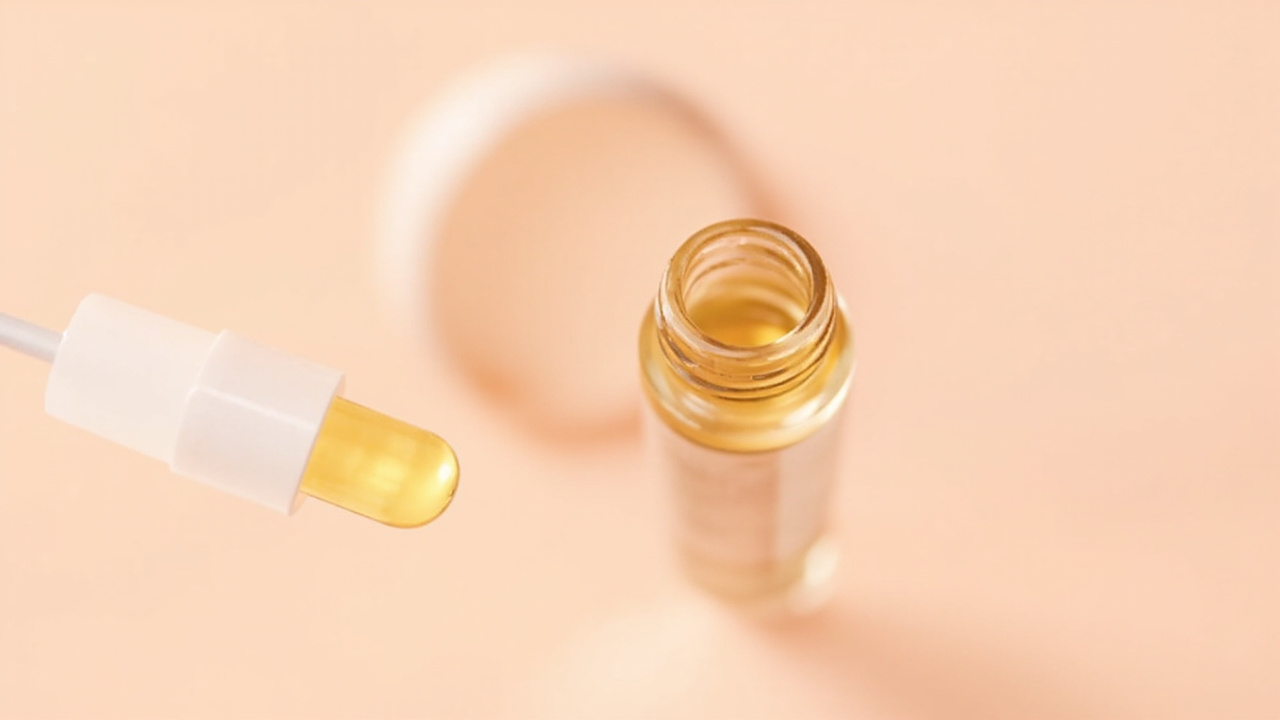
Choosing a cuticle oil when you have sensitive skin requires a shift in mindset. You are not looking for the most "active" formula; you are looking for the safest formula. Here is your step-by-step checklist.
1. The Ingredient "Green List"
These ingredients are your best friends:
- Jojoba Oil: The gold standard. It is chemically very similar to human sebum, meaning it is easily absorbed and rarely causes irritation. It mimics the skin’s natural oils.
- Squalane (Olive or Sugarcane-derived): A non-comedogenic, lightweight moisturizer that is extremely well-tolerated. It is a stable form of squalene, a lipid naturally found in healthy skin.
- Vitamin E (Tocopherol): A powerful antioxidant that soothes inflammation and protects against environmental damage. Look for "Tocopherol" (pure vitamin E) rather than "Tocopheryl Acetate" if you are extremely sensitive.
- Chamomile or Calendula Extract: These provide mild anti-inflammatory and antiseptic benefits without harsh chemicals.
- Glycerin: A humectant that draws moisture into the skin, but works best when combined with an occlusive oil.
- Rosehip Seed Oil: Rich in essential fatty acids and vitamin A, excellent for repair, but patch test first as it can be active.
2. The Ingredient "Red List" (Avoid These)
These are common triggers for contact dermatitis and allergic reactions:
- Fragrance (Parfum): This is the #1 allergen in cosmetics. Even "natural" essential oils (lavender, tea tree, lemon) can cause sensitization over time. Look for "Fragrance-Free" not just "Unscented." Unscented products may still have masking fragrances.
- Essential Oils: While natural, oils like peppermint, cinnamon, clove, and citrus are potent irritants. They can cause a burning sensation on sensitive skin.
- Denatured Alcohol (SD Alcohol, Alcohol Denat): Extremely drying and stripping. It destroys the lipid barrier you are trying to protect.
- Formaldehyde & Formaldehyde-releasing preservatives (DMDM Hydantoin, Quaternium-15): Found in some nail treatments, these are known sensitizers.
- Propylene Glycol: A common penetration enhancer that can cause stinging and irritation in sensitive individuals.
3. Formulation Matters: Oil vs. Cream vs. Pen
- Pure Oil (Dropper or Bottle): Best for sensitive skin. Fewer ingredients mean fewer potential irritants. You control the amount.
- Rollerball: Convenient and hygienic, but check the base oil. Some cheap rollerballs use mineral oil as a filler.
- Pen/Brush: Easy to apply, but the formula may contain preservatives or thickeners. Stick to brands that list their ingredients transparently.
- Cream: Often contains water, emulsifiers, and preservatives. These have the highest risk of irritation for very reactive skin.
Quick Comparison Table: Top 5 Cuticle Oils for Sensitive Skin
!Quick Comparison Table: Top 5 Cuticle Oils for Sensitive Skin
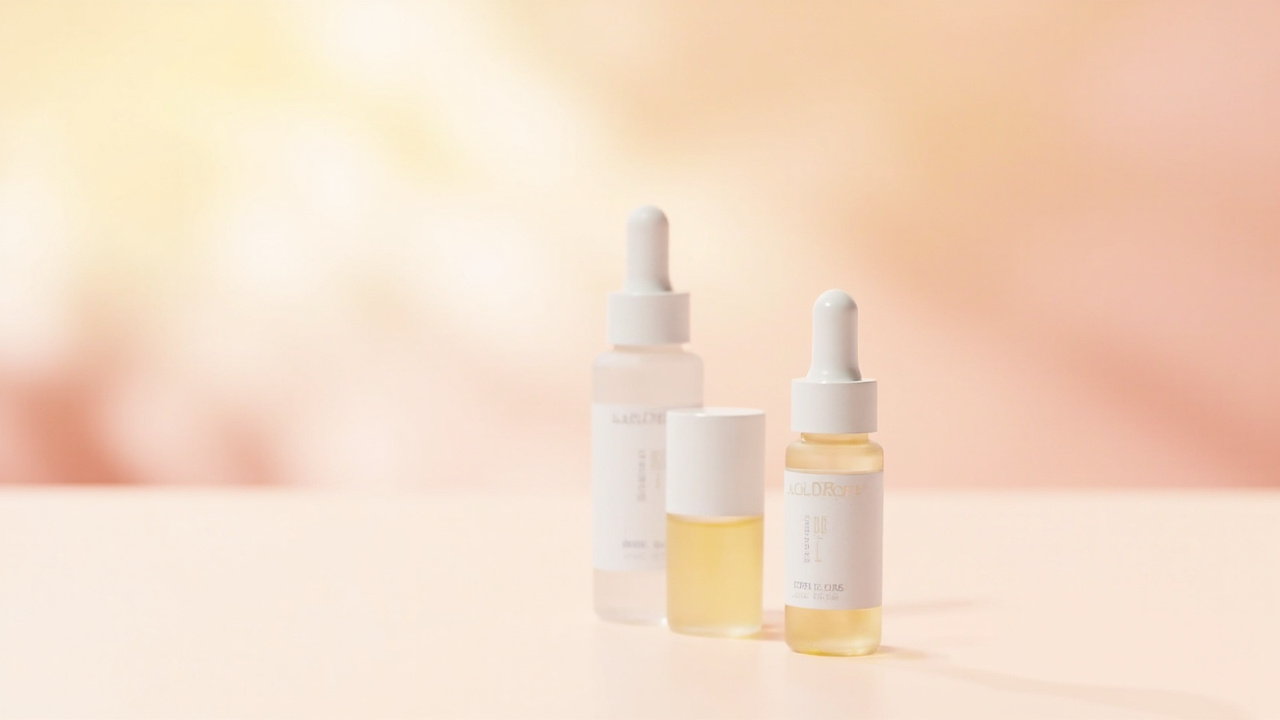
| Product | Key Ingredient | Fragrance? | Best For | Price Point |
| :--- | :--- | :--- | :--- | :--- |
| CND SolarOil | Jojoba Oil, Vitamin E | Light (Jojoba scent) | Everyday hydration, professional quality | $ |
| Burt’s Bees Lemon Butter Cuticle Cream | Lemon Oil, Vitamin E | Yes (Citrus) | Deep moisture, dry hands | $ |
| The Ordinary 100% Plant-Derived Squalane | Squalane | No | Ultra-sensitive, acne-prone skin | $ |
| Essie Apricot Cuticle Oil | Apricot Kernel Oil, Vitamin E | Light (Apricot) | Quick absorption, classic formula | $ |
| Deborah Lippmann Cuticle Oil | Jojoba, Argan, Vitamin E | No | Luxury, non-greasy finish | $$ |
Top 5 Best Cuticle Oils for Sensitive Skin: Detailed Reviews
We have tested and analyzed these products based on ingredient purity, user feedback for sensitive skin, and overall efficacy.
1. CND SolarOil Nail & Cuticle Conditioner
Best for: Overall Best & Professional-Grade SafetyCND SolarOil is the industry standard for a reason. Its formula is remarkably simple yet incredibly effective. The primary ingredient is Jojoba Oil, followed by Vitamin E and Rice Bran Oil.
Why it works for sensitive skin: It contains no artificial fragrances, no dyes, and no harsh preservatives. The light scent is purely from the jojoba oil itself. The molecular structure of jojoba is small enough to penetrate the nail plate, but gentle enough to sit on the skin without irritation. Pros:- Hypoallergenic reputation among nail technicians.
- Absorbs quickly without leaving a greasy residue.
- Strengthens nails while hydrating cuticles.
- Slightly more expensive than drugstore brands.
- The dropper can be messy if not careful.
2. The Ordinary 100% Plant-Derived Squalane
Best for: Ultra-Minimalist & Acne-Prone Sensitive SkinThis is not a traditional "cuticle oil," but it is arguably the safest option for extremely reactive skin. It contains one ingredient: 100% plant-derived squalane.
Why it works for sensitive skin: Squalane is non-comedogenic (won't clog pores) and non-irritating. It is chemically identical to the skin’s natural moisture barrier. There are zero triggers—no essential oils, no preservatives, no alcohol. Pros:- Zero risk of allergic reaction (for most people).
- Extremely lightweight; feels like nothing on the skin.
- Very affordable.
- Does not have the "nail strengthening" properties of jojoba or vitamin E.
- The bottle is large; you will need a separate dropper or rollerball for travel.
3. Essie Apricot Cuticle Oil
Best for: Classic Hydration & Quick AbsorptionA cult classic, Essie Apricot Cuticle Oil has been a staple for decades. The base is Apricot Kernel Oil, which is rich in vitamins A and E and is very gentle.
Why it works for sensitive skin: While it does have a light apricot scent, it is derived naturally from the oil and is not a synthetic fragrance. The formula is thin and absorbs rapidly, which minimizes the "wet" feeling that can sometimes trap irritants against the skin. Pros:- Lightweight, non-sticky finish.
- Widely available at drugstores.
- Great price point.
- The apricot scent may be a concern for those with extreme fragrance allergies, though it is very mild.
- Contains mineral oil as a secondary ingredient (generally safe, but not as beneficial as plant oils).
4. Burt’s Bees Lemon Butter Cuticle Cream
Best for: Deep Repair & Dry, Cracked CuticlesThis is a cream format, which is excellent for very dry, cracked cuticles. It is thicker than oil and offers a longer-lasting moisture seal.
Why it works for sensitive skin: The base is coconut oil, beeswax, and shea butter—all very soothing. However, it contains lemon essential oil and limonene (a common allergen). For this reason, it is not recommended for those with known citrus allergies. Pros:- Extremely hydrating; great for winter.
- Solid formula doesn't spill in a purse.
- Natural ingredients.
- Contains essential oils (lemon). Must be patch tested.
- Greasier than oil-based formulas.
5. Deborah Lippmann Cuticle Oil
Best for: Luxury, Non-Greasy FinishA premium option that focuses on a high-performance, elegant texture. It is a blend of Jojoba, Argan, and Vitamin E.
Why it works for sensitive skin: This formula is fragrance-free (not just unscented) and free of parabens, phthalates, and sulfates. The blend is highly moisturizing but dries down to a matte finish, which prevents dirt and dust from sticking to your fingers. Pros:- Very clean ingredient list.
- Luxurious packaging and feel.
- Non-greasy—ideal for office use.
- High price point.
- Some users report the brush applicator can be stiff.
How to Apply Cuticle Oil on Sensitive Skin (Step-by-Step)
Even the best oil can cause irritation if applied incorrectly. Follow this protocol for maximum benefit and minimum risk.
Step 1: Patch Test (Critical)Apply a tiny amount of oil to the inside of your wrist or behind your ear. Wait 24 hours. If no redness, itching, or bumps appear, it is safe for your cuticles.
Step 2: Apply to Damp Skin (The "Golden Rule")Oil seals in moisture, but it doesn't add water. Apply cuticle oil after washing your hands or after a shower when your cuticles are still slightly damp. This locks in hydration.
Step 3: The Massage Technique- Place one drop on each nail bed.
- Using your thumb, gently massage the oil into the cuticle in a circular motion for 10-15 seconds.
- Do not push back the cuticle aggressively. This can break the seal and cause bleeding. Just massage the oil in.
For sensitive skin, less is more. Start with once daily (preferably at night). If your skin tolerates it well, increase to twice daily. Over-oiling can sometimes clog the periungual skin (the skin around the nail).
Step 5: The "Buffer" MethodIf you are applying a nail polish or a strengthening treatment, apply the cutile oil first, wait 5 minutes, then gently wipe away the excess before applying the polish. This prevents the oil from interfering with adhesion.
Potential Side Effects and Precautions
Even with "natural" or "hypoallergenic" oils, sensitive skin can react. Here is what to watch for:
- Contact Dermatitis: Red, itchy, or blistered skin. Stop use immediately.
- Clogged Pores (Periungual Acne): Rare, but can happen with heavy oils like coconut or olive oil on acne-prone skin.
- Allergic Contact Dermatitis: Usually caused by essential oils or preservatives. This is a delayed reaction (24-72 hours later).
- Irritation from Vitamin E: While rare, pure Vitamin E oil can cause stinging on broken skin.
- If you develop pus, severe pain, or swelling around the nail (signs of infection).
- If a rash spreads beyond the cuticle area.
- If the cuticle becomes hot to the touch.
Frequently Asked Questions (FAQs)
1. Can I use olive oil or coconut oil from my kitchen as cuticle oil for sensitive skin?
Technically yes, but it is not ideal. Olive oil is heavy and can clog pores. Coconut oil is comedogenic (clogs pores) for many people and can cause breakouts on the skin around the nail. Jojoba or squalane are far superior because they mimic human sebum and are non-comedogenic.2. Is "hypoallergenic" cuticle oil safe for my sensitive skin?
Not necessarily. The term "hypoallergenic" is not regulated by the FDA. It simply means the manufacturer claims it is less likely to cause a reaction. You must still read the ingredient list. A product labeled "hypoallergenic" can still contain essential oils or fragrance.3. How often should I apply cuticle oil if I have eczema on my hands?
Start with once daily. Eczema-prone skin is highly reactive. Apply a fragrance-free oil (like squalane) after a short, lukewarm hand wash. If no reaction occurs after a week, you can increase to twice daily. Avoid oil on open, weeping eczema patches.4. Can cuticle oil make my nails grow faster?
Indirectly, yes. A hydrated cuticle is a healthy cuticle. When the nail matrix (the root of the nail) is healthy and well-nourished, it can produce stronger, faster-growing nails. Dry, damaged cuticles can slow growth and cause breakage.5. What is the difference between cuticle oil and cuticle remover?
They are opposite products. Cuticle oil hydrates and protects the live skin. Cuticle remover (usually a gel or liquid) contains strong alkalis (like potassium hydroxide) to chemically dissolve dead skin cells. Never use cuticle remover on sensitive skin without a patch test, as it can cause chemical burns if left on too long. Stick to gentle oil and manual care.Final Takeaway
The best cuticle oil for sensitive skin is one with the shortest ingredient list and zero fragrance. For most people, CND SolarOil offers the perfect balance of efficacy and safety. For those with extreme reactivity, The Ordinary 100% Squalane is the safest choice. Always patch test, apply to damp skin, and listen to your skin’s signals. With the right oil, you can achieve soft, healthy cuticles without the redness.
Medically Reviewed By
Dr. Michael Park, MD, MPH — Preventive Dermatology SpecialistDr. Park focuses on skin cancer prevention and photoprotection. He earned his MPH from Harvard T.H. Chan School of Public Health and lectures internationally on sun safety.
This article was medically reviewed on 2026-06-09 for accuracy and completeness.
You May Also Like
Explore more articles in our Health collection:
- How to Get Rid of Crow's Feet: Anti-Aging Eye Wrinkle Treatments That Actually Work
- How to Get Rid of Stretch Marks: What Actually Works According to Dermatologists and Science
- How to Lighten Dark Underarms: Safe, Effective Methods Without Irritation
Related Tools
Try these free calculators and quizzes to personalize your routine: