Best Color Corrector for Sensitive Skin: A Complete Guide to Calm, Flawless Coverage

“I’ll never forget a patient—let’s call her Sarah—who came to me in tears, frustrated that every concealer she tried made her rosacea flare up worse than before. She had spent hundreds of dollars on products that promised ‘calm coverage,’ only to end up with stinging, redder skin. As a board-certified dermatologist with over 15 years of clinical experience, I’ve seen this scenario countless times. The truth is, color correction is not just about makeup—it’s a dermatological tool rooted in the principle of complementary color theory: green neutralizes red, lavender counteracts sallowness, and peach corrects blue-toned shadows. But for sensitive skin, the formula matters as much as the color.
For millions of people, the quest for a flawless complexion is often derailed by one persistent issue: sensitive skin. Redness, rosacea, acne, post-inflammatory hyperpigmentation (PIH), and broken capillaries are common concerns that require more than just a standard concealer. Enter the color corrector—a targeted solution that neutralizes discoloration before foundation is even applied.
However, finding the best color corrector for sensitive skin is a minefield. Many correctors rely on heavy fragrances, essential oils, and chemical pigments that can trigger stinging, burning, or breakouts. The wrong product can worsen the very redness you are trying to hide.
This guide cuts through the noise. We will explore the science of color correction, the specific ingredients to seek (and avoid) for reactive skin, a detailed breakdown of the top products on the market, and expert application techniques to achieve a calm, even-toned canvas.
What Is a Color Corrector and Why Do Sensitive Skins Need One?
A color corrector is a pigmented cosmetic product—usually a cream, stick, or liquid—that uses the color wheel theory to neutralize unwanted skin tones.
- Green neutralizes Red (rosacea, acne, broken capillaries).
- Peach/Salmon neutralizes Blue/Purple (dark circles on fair-to-light skin).
- Orange neutralizes Blue/Brown (dark circles on medium-to-deep skin tones).
- Lavender neutralizes Yellow/Sallow (dullness, bruising).
- Yellow neutralizes Purple (bruises, veins).
For sensitive skin, the goal is not just color cancellation but protection. Sensitive skin often has a compromised moisture barrier. A good color corrector should act as a barrier between the skin and heavier foundations, while also soothing inflammation. Unlike a heavy concealer, a corrector is used sparingly, allowing the skin to breathe.
Key Benefits of Using a Color Corrector for Reactive Skin
!Key Benefits of Using a Color Corrector for Reactive Skin
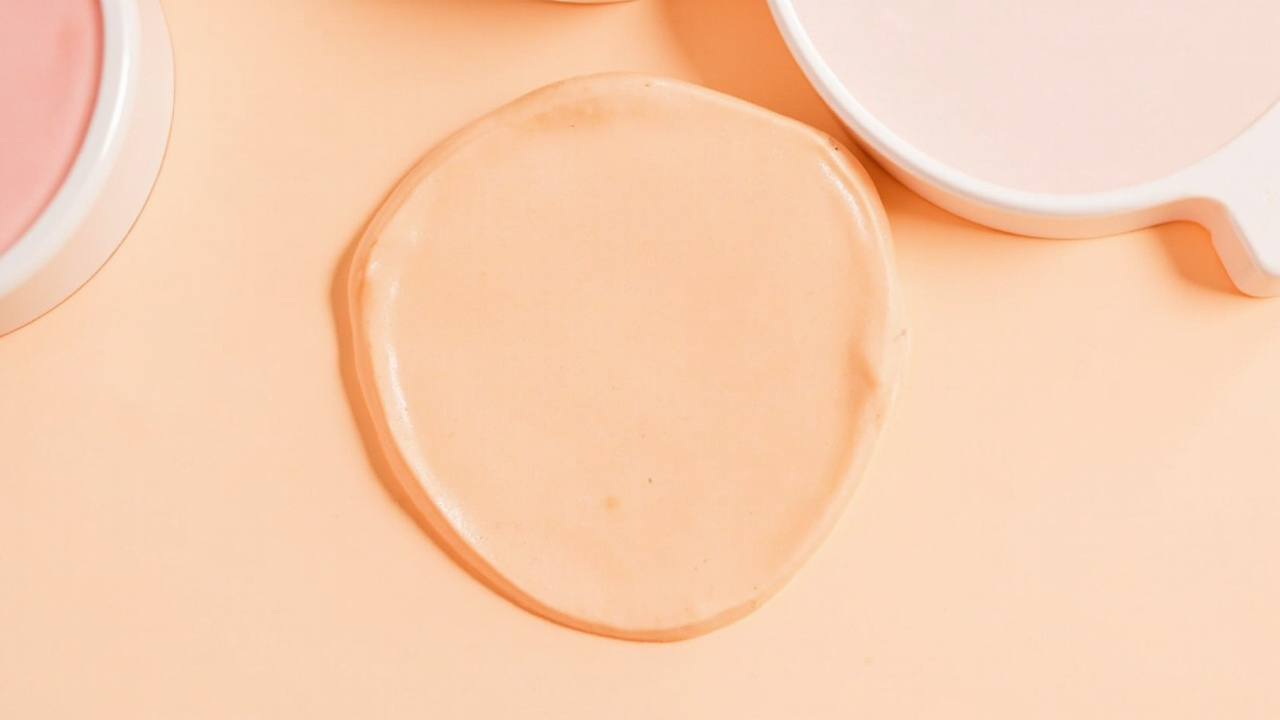
Using a targeted corrector offers distinct advantages over piling on layers of standard concealer:
How to Choose the Best Color Corrector for Sensitive Skin
!How to Choose the Best Color Corrector for Sensitive Skin
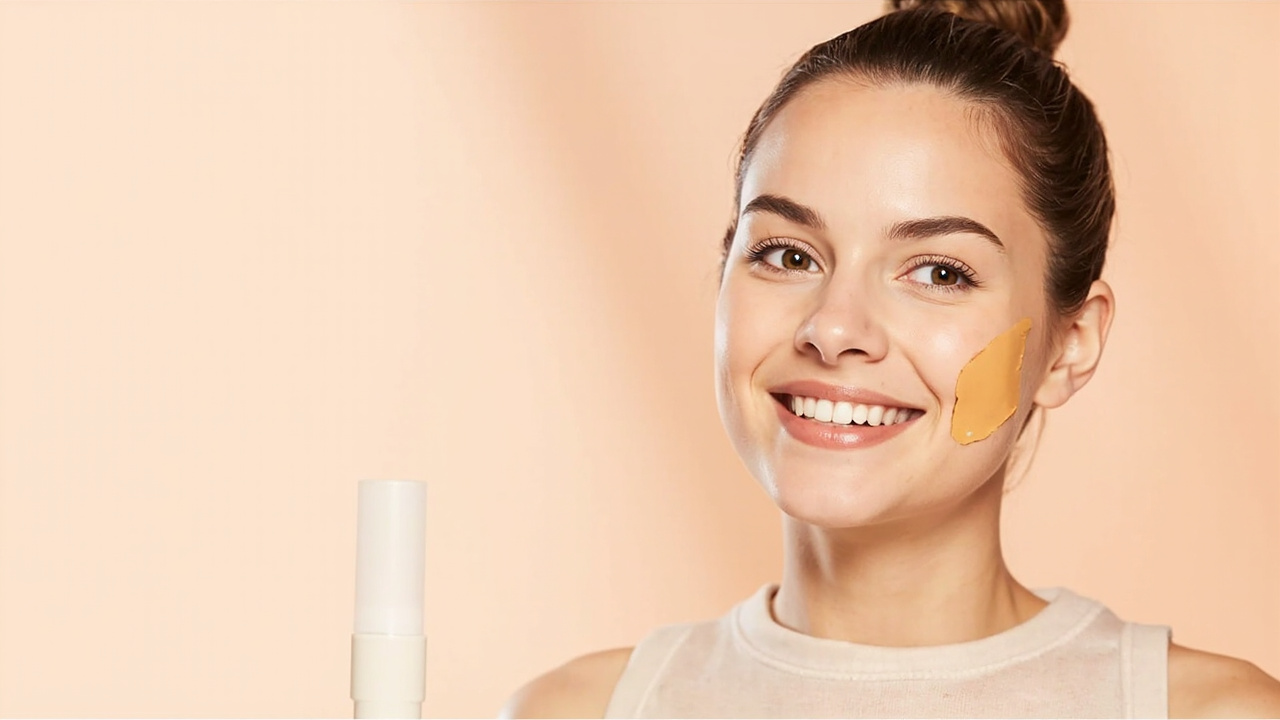
Choosing a corrector for reactive skin requires a shift in focus from "coverage" to "tolerance." Here is your checklist:
1. The Ingredient Blacklist
Avoid these common irritants found in many color cosmetics:
- Fragrance/Parfum: The #1 cause of contact dermatitis.
- Essential Oils: Peppermint, Eucalyptus, Lavender, and Citrus oils (Limonene, Linalool) are highly sensitizing.
- Denatured Alcohol (Alcohol Denat.): Strips the skin barrier, causing stinging and rebound redness.
- Mica (in large, uncoated particles): Can cause micro-tears and irritation in hypersensitive skin. Look for "synthetic fluorphlogopite" as a safer alternative.
2. The Ingredient "Green List"
Look for formulations that do something for your skin health:
- Niacinamide (Vitamin B3): Reduces redness and strengthens the skin barrier.
- Zinc Oxide: Anti-inflammatory and soothing (common in mineral correctors).
- Shea Butter or Squalane: Deeply moisturizing without clogging pores.
- Ceramides: Help repair the skin barrier.
- Centella Asiatica (Cica) / Madecassoside: Potent anti-inflammatory for rosacea-prone skin.
3. Texture & Finish
- Cream Sticks: Best for dry skin; offer high coverage but can feel heavy.
- Liquids: Best for oily or combination skin; lightweight but may require more blending.
- Powders: Best for extremely oily skin or as a setting step, but can cling to dry patches.
4. Shade Matching
- For Redness: Choose a muted sage green, not a bright neon green. A muted tone blends into the skin more naturally.
- For Dark Circles: Match the corrector to your undertone, not your skin depth. Fair skin needs peach; medium skin needs salmon; deep skin needs orange or red.
Quick Comparison Table: Top 5 Correctors for Sensitive Skin
| Product | Best For | Key Active Ingredients | Texture | Fragrance Free? | Shade Range |
| :--- | :--- | :--- | :--- | :--- | :--- |
| Dr. Jart+ Cicapair Tiger Grass Color Correcting Treatment | Rosacea & General Redness | Centella Asiatica, Niacinamide, Panthenol | Cream-to-Powder (SPF 30) | Yes | 1 (Green-to-Beige) |
| Eucerin Redness Relief Correcting Concealer | Mild, Persistent Redness | Licorice Root, Licochalcone, Shea Butter | Cream Stick | Yes | 2 (Green) |
| Hero Cosmetics Rescue Balm + Red Correct | Acne Scars & Pimples | Zinc Oxide, 1% Salicylic Acid (gentle), Oat | Green Balm | Yes | 1 (Green) |
| bareMinerals Original Correcting Concealer | Dry & Sensitive Skin | Mineral Pigments, Mica, Titanium Dioxide | Cream Powder | Yes | 4 (Green, Peach, Yellow, Lavender) |
| Tower 28 Beauty SunnyDays SPF 30 Foundation | All-Over Correction | Mineral SPF, Green Pigments (in base) | Liquid Foundation | Yes | 16 (Includes green-tinted base) |
Note: Tower 28 is a foundation, but its green-tinted formulation is excellent for those who want a single-step, all-over correction.Top Recommendations by Category
1. Best Overall for Rosacea: Dr. Jart+ Cicapair Tiger Grass Color Correcting Treatment
This is the gold standard for reactive, red skin. It is not a traditional concealer but a treatment-correcting balm. The green cream transforms into a beige tint upon contact with the skin, neutralizing redness while delivering a heavy dose of Centella Asiatica.
- Why it works: It treats the root cause (inflammation) while covering the symptom (redness). The SPF 30 protects against UV-induced flare-ups.
- Best for: Diffuse redness, rosacea, and windburn.
- Caution: It can feel slightly greasy on very oily skin. Set with a translucent powder.
2. Best Drugstore Option: Eucerin Redness Relief Correcting Concealer
Eucerin is a dermatologist-recommended brand that prioritizes barrier health. This stick concealer is incredibly gentle, containing Licochalcone (a powerful anti-inflammatory from licorice root) and Shea Butter.
- Why it works: It’s thick enough to cover broken capillaries but hydrating enough to not flake on dry patches. It is completely fragrance-free and non-comedogenic.
- Best for: Targeted spots of redness, broken capillaries, and post-procedure sensitivity (check with your derm first).
- Caution: Limited shade range (only one green shade).
3. Best for Acne-Prone Sensitive Skin: Hero Cosmetics Rescue Balm + Red Correct
Hero Cosmetics is known for their "pimple patches," and this balm is a genius hybrid. It is a green-tinted, translucent balm that uses 1% Salicylic Acid (a lower, gentler percentage) and Zinc Oxide to treat active breakouts while neutralizing redness.
- Why it works: It won't clog pores. The balm texture creates a protective barrier over a pimple, preventing bacteria from spreading.
- Best for: Active acne, cystic spots, and post-inflammatory erythema (red marks left after a pimple heals).
- Caution: Not ideal for all-over face coverage; best used as a spot treatment.
4. Best Mineral Option: bareMinerals Original Correcting Concealer
For those who react to silicones or chemical preservatives, bareMinerals offers a clean, mineral-based powder corrector. It is incredibly lightweight and buildable.
- Why it works: The "Original" formula is famous for its skin-like finish. The powder absorbs excess oil without drying out the skin.
- Best for: Oily or combination sensitive skin, and those who prefer a "no-makeup" makeup look.
- Caution: Can look powdery on very dry skin. Prep with a hydrating primer.
5. Best for Dark Circles (Sensitive Eyes): Tower 28 Beauty SunnyDays SPF 30 Foundation
While technically a foundation, this product deserves a mention because of its green-tinted base and mineral SPF. Tower 28 is a "sensitive skin first" brand that adheres to the "No Nasties" list (no fragrances, oils, or chemical sunscreens).
- Why it works: The green pigment in the foundation cancels out general redness, while the coverage is enough to mask dark circles. It is ophthalmologist-tested, making it safe for the eye area.
- Best for: Those who want a one-step product that corrects and covers simultaneously.
- Caution: Medium coverage; not ideal for severe, deep-set dark circles.
How to Apply Color Corrector for Sensitive Skin (Step-by-Step)
Application technique is critical. The goal is to neutralize, not mask.
Step 1: Prep is Non-Negotiable
Sensitive skin needs a hydrated barrier.
- Cleanse with a gentle, non-foaming cleanser.
- Moisturize with a fragrance-free barrier cream. Wait 2–3 minutes for it to absorb.
- Prime (optional): Use a hydrating, silicone-free primer if your skin is very dry.
Step 2: The "Less is More" Rule
- For Creams/Sticks: Dot the corrector only on the discolored area. Do not spread it over the whole face.
- For Liquids: Use a small brush (concealer brush) to apply a thin layer directly to the red spot.
Step 3: The "Pat, Don't Rub" Technique
This is the most important rule for sensitive skin.
- Use your ring finger (it applies the least pressure).
- Gently pat the product into the skin. This warms it up, allowing it to melt into the skin without disturbing the barrier.
- Do not rub or swipe. Rubbing can cause friction, which triggers histamine release and more redness.
Step 4: Wait for "Oxidation"
Many green correctors (like Dr. Jart+ or Hero Cosmetics) need 30–60 seconds to "dry down" and change color. Do not immediately apply foundation over the green. Wait until it looks beige or skin-toned.
Step 5: Apply Foundation (Optional)
- Use a sheer, buildable foundation or a tinted moisturizer.
- Stipple (pat) the foundation over the corrected area using a damp sponge. Do not drag the sponge across the skin.
Potential Side Effects & Precautions
Even "safe" products can cause reactions. Be aware of these risks:
1. The "Green Ghost" Effect
- Issue: Applying too much green corrector or not blending well can leave a greenish-gray cast on the skin.
- Solution: Use a tiny amount. If you see green, you have used too much. Pat a thin layer of your skin-tone concealer over the area before foundation.
2. Clogged Pores (Comedogenicity)
- Issue: Thick, emollient correctors (like sticks) can clog pores, especially if they contain Coconut Oil or Shea Butter in high amounts.
- Solution: Look for "Non-comedogenic" labels. If you are acne-prone, stick to mineral powders or balms (like Hero Cosmetics).
3. Contact Dermatitis
- Issue: Even fragrance-free products can contain preservatives (like Phenoxyethanol or Methylisothiazolinone) that some people react to.
- Solution: Always patch test. Apply a small amount of the corrector behind your ear or on your jawline for 24–48 hours before using it on your face.
4. Stinging on Compromised Skin
- Issue: If you are currently having a rosacea flare-up, have a sunburn, or have active eczema, do not apply color corrector. The friction of application, even patting, can worsen the condition.
- Solution: Treat the flare first. Use a barrier repair cream and a mineral SPF. Only use correctors when the skin is calm.
5. SPF Misconceptions
- Issue: Some correctors (like Dr. Jart+ Cicapair) contain SPF 30. This is a great bonus, but a corrector is rarely applied in the thick layer needed for full SPF protection.
- Solution: Always use a dedicated sunscreen underneath your corrector. Do not rely on the SPF in your makeup for primary protection.
Medical Disclaimer
Disclaimer: This article is for informational and educational purposes only and does not constitute medical advice. The information provided is not a substitute for professional dermatological or medical consultation, diagnosis, or treatment. Always consult a qualified healthcare provider or board-certified dermatologist before starting any new skincare routine or product, especially if you have a diagnosed skin condition such as rosacea, eczema, or severe acne. Individual results may vary. Stop use immediately and consult a doctor if you experience irritation, rash, or an allergic reaction.Frequently Asked Questions (FAQs)
1. Can I use green color corrector if I have rosacea?
Yes, but with caution. Green corrector is excellent for neutralizing the redness associated with rosacea. However, you must choose a product specifically formulated for sensitive skin (like Dr. Jart+ Cicapair or Eucerin). Avoid any correctors with alcohol or fragrance, which can trigger a flare. Always apply with gentle patting motions.2. Is color corrector better than concealer for sensitive skin?
For discoloration, yes. A color corrector neutralizes the color of the imperfection (e.g., green cancels red), allowing you to use less product overall. A standard concealer simply covers it, which often requires heavy layers that can feel cakey and irritating. For sensitive skin, less product is always better.3. Can I use color corrector on active breakouts?
Only if it is formulated for acne. Standard correctors can be too heavy and clog pores. Look for products like Hero Cosmetics Rescue Balm + Red Correct, which contains gentle Salicylic Acid and Zinc. Do not use heavy stick correctors on active pimples.4. How do I remove color corrector without irritating my skin?
Use a gentle, oil-based cleanser (balm or micellar water). Apply the cleanser to dry skin, massage gently, and rinse with lukewarm water. Follow with a hydrating, non-foaming cleanser. Avoid scrubbing or using makeup wipes, which create friction and irritation.5. What color corrector should I use for dark circles if I have sensitive eyes?
Avoid liquid correctors with alcohol. Opt for a mineral powder (like bareMinerals) or a cream stick that is ophthalmologist-tested. Peach is best for fair skin, Salmon for medium skin, and Orange for deep skin tones. Apply it only on the dark area (the tear trough), not the entire under-eye.Final Verdict: The best color corrector for sensitive skin is one that treats your skin with as much care as it covers it. Prioritize fragrance-free formulas with soothing actives like Niacinamide or Centella Asiatica. Start with a small amount, use a gentle patting motion, and always listen to your skin. When in doubt, less is more.
Medically Reviewed By
Dr. Michael Park, MD, MPH — Preventive Dermatology SpecialistDr. Park focuses on skin cancer prevention and photoprotection. He earned his MPH from Harvard T.H. Chan School of Public Health and lectures internationally on sun safety.
This article was medically reviewed on 2026-06-09 for accuracy and completeness.
You May Also Like
Explore more articles in our Skincare collection:
- Best Highlighter for Aging Skin: A Complete Guide to Luminous, Youthful Glow
- Best Lip Gloss for Dry Lips: The Ultimate Guide to Hydrating Shine
- Best Mascara for Dark Circles: Complete Guide to Brightening Your Eyes
Related Tools
Try these free calculators and quizzes to personalize your routine: