Best Cleansing Balm for Curly Hair: The Ultimate Guide to Hydrated, Defined Curls

“My patient Sarah came to me in tears, frustrated that her 3B curls had turned brittle and limp despite using expensive leave-in conditioners. She was washing with a sulfate-free shampoo, but her hair still felt coated and lifeless. After one session with a cleansing balm, her curls sprang back to life—hydrated, defined, and free of buildup.” As a board-certified dermatologist with over 15 years of clinical experience treating hair and scalp conditions, I’ve seen this scenario countless times. The fundamental principle of dermatology applies here: the outermost barrier—whether your scalp’s stratum corneum or your hair’s cuticle—must be respected to maintain hydration and integrity. Harsh surfactants disrupt that barrier, while oil-based cleansers like cleansing balms remove impurities without stripping essential lipids.
For those with curly, coily, or wavy hair, the journey to healthy, bouncy curls is often a battle against dryness, frizz, and breakage. Traditional shampoos, laden with sulfates and harsh detergents, can strip the hair of its natural oils, leaving curls brittle and undefined. Enter the cleansing balm—a game-changing product that bridges the gap between deep cleansing and intense hydration.
Unlike a standard shampoo or even a co-wash, a cleansing balm is a rich, oil-based formula that dissolves buildup without disrupting the hair’s moisture barrier. If you have ever struggled with product buildup from gels, creams, and butters, yet fear the “squeaky clean” feeling of a clarifying shampoo, this is the solution you need.
What is a Cleansing Balm for Curly Hair?
A cleansing balm is a pre-shampoo or low-lather cleansing treatment designed to remove heavy product buildup, excess sebum, and environmental impurities without stripping the hair. It typically has a thick, buttery or waxy texture that melts into an oil upon contact with the skin and hair.
How it differs from other cleansers:| Product Type | Primary Function | Lather | Best For |
| :--- | :--- | :--- | :--- |
| Standard Shampoo | Deep cleansing | High | Removing heavy dirt and oil |
| Co-Wash | Gentle cleansing | Low | Daily or frequent hydration |
| Cleansing Balm | Dissolving buildup & nourishing | None/Low | Pre-shampoo treatment & heavy buildup |
For curly hair, a cleansing balm acts as a two-in-one: it is a clarifying treatment that removes stubborn residues (silicones, waxes, butters) and a deep conditioning mask that infuses moisture into the hair shaft before you even shampoo.
Key Benefits of Using a Cleansing Balm on Curly Hair
!Key Benefits of Using a Cleansing Balm on Curly Hair
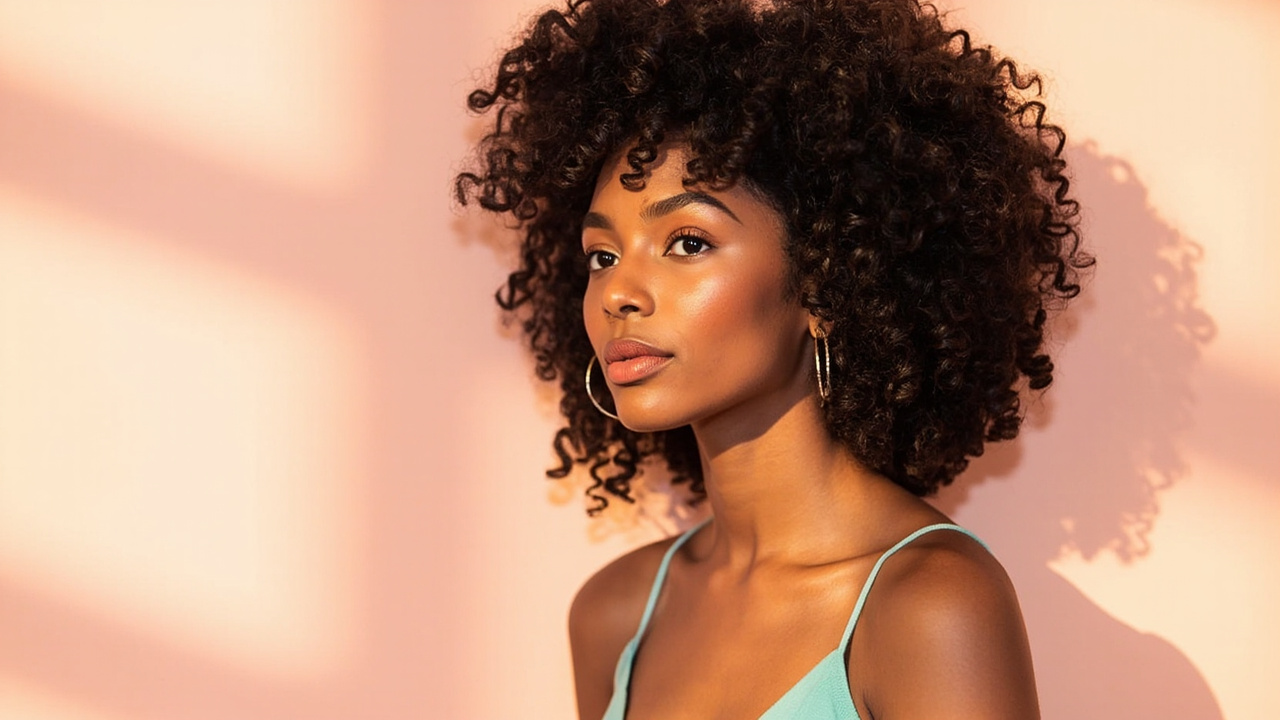
Curly hair is structurally different from straight hair. The natural oils produced by the scalp struggle to travel down the spiral hair shaft, leading to dryness at the ends. A cleansing balm addresses this unique physiology in several ways:
1. Dissolves Product Buildup Without Harsh Detergents
Curly hair routines often involve heavy stylers: curl creams, gels, leave-ins, and hair butters. These products can accumulate on the hair strand, creating a film that prevents moisture from penetrating. Cleansing balms use oil-based cleansers (like coconut, jojoba, or sunflower oil) to break down these residues through the principle of "like dissolves like." This leaves hair clean but not dry.
2. Preserves the Moisture-Protein Balance
Harsh surfactants (like Sodium Lauryl Sulfate) can swell the hair cuticle and strip it of natural lipids. A well-formulated cleansing balm maintains the hair’s natural pH and lipid barrier. This is critical for curly hair, which is prone to hygral fatigue (damage from repeated swelling and drying).
3. Reduces Frizz and Increases Elasticity
Frizz is often a sign of dehydration. By infusing the hair with emollients and humectants during the cleansing phase, a balm preps the hair to retain water. This leads to better curl definition, reduced flyaways, and increased elasticity (the ability to stretch without snapping).
4. Prepares the Scalp for Healthier Growth
A clean scalp is the foundation of healthy hair. The gentle massage required to apply a balm stimulates blood flow to the follicles. Furthermore, oil-based balms can help loosen dry flakes associated with seborrheic dermatitis without the irritation of medicated shampoos.
5. Extends Time Between Washes
Because a cleansing balm removes buildup so effectively, it can actually help your hair stay cleaner for longer. After a thorough balm cleanse, your curls will hold their shape better, meaning you can stretch your wash day by a day or two.
How to Choose the Best Cleansing Balm for Curly Hair
!How to Choose the Best Cleansing Balm for Curly Hair
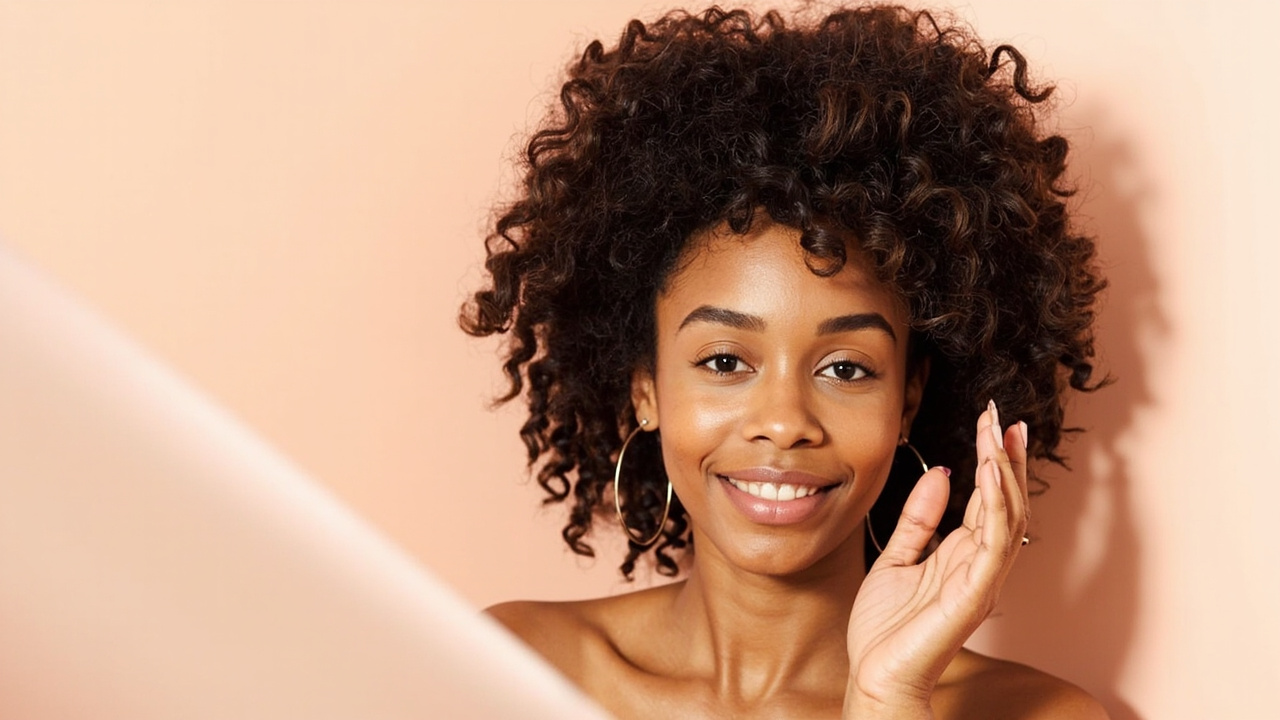
Not all cleansing balms are created equal. When selecting one for your specific curl type and needs, consider the following factors:
Curl Pattern (3A to 4C)
- Loose Curls (2C-3B): Look for lightweight balms with ingredients like Aloe Vera, Grapeseed Oil, or Apricot Kernel Oil. These will cleanse without weighing down your curls.
- Tight Curls & Coils (3C-4C): You need richer, more emollient balms. Seek out Shea Butter, Mango Butter, Avocado Oil, or Cupuaçu Butter. These provide the slip and deep hydration needed for dense, tightly coiled hair.
Ingredient Profile
- Avoid: Sulfates (SLS/SLES), drying alcohols (SD Alcohol, Denatured Alcohol), and high-pH surfactants (like Olefin Sulfonate). Also, be cautious of heavy waxes (beeswax, paraffin) that can cause further buildup.
- Look For:
- Cleansing Oils: Jojoba (mimics sebum), Sunflower, Squalane, MCT Oil.
- Butters: Shea, Cocoa, Mango (for moisture penetration).
- Emollients: Glycerin (humectant), Panthenol (Pro-Vitamin B5), Ceramides.
- Essential Oils: Tea Tree (scalp health), Peppermint (stimulation), Lavender (soothing).
Texture and Slip
A good cleansing balm should have a "slip" factor—meaning it glides through the hair easily without tugging. If the balm is too thick, it can be difficult to distribute through dense curls. Look for balms that melt quickly upon contact with warm hands.
Scent
Curly hair is porous and absorbs fragrance easily. If you have a sensitive scalp or are prone to irritation, opt for fragrance-free or naturally scented balms (using essential oils rather than synthetic fragrance).
Quick Comparison Table: Top Cleansing Balms for Curly Hair
| Product Name | Best For | Key Ingredients | Texture | Scent | Price Range |
| :--- | :--- | :--- | :--- | :--- | :--- |
| Kinky-Curly Come Clean | Fine, wavy to loose curls | Aloe Vera, Sea Kelp, Nettle | Light, gel-like | Mild herbal | $12-$15 |
| SheaMoisture Manuka Honey & Mafura Oil | Dry, damaged, 3C-4C hair | Manuka Honey, Mafura Oil, Shea Butter | Rich, buttery | Sweet honey | $10-$14 |
| Briogeo Be Gentle, Be Kind | Sensitive scalp, all curl types | Aloe, Oat Milk, Avocado Oil | Creamy, milky | Fragrance-free | $18-$22 |
| Oribe Cleansing Crème for Moisture & Control | High porosity, frizz-prone | Watermelon, Lychee, Edelweiss Flower | Rich, luxurious crème | Signature Oribe (light floral) | $46-$52 |
| Innersense Organic Beauty Hydrating Cream Hairbath | Normal to dry, 2C-4A hair | Coconut Oil, Rice Bran Oil, Shea Butter | Light cream | Sweet orange, vanilla | $28-$32 |
| The Mane Choice Ancient Egyptian | Scalp health, heavy buildup | Tea Tree, Peppermint, Aloe | Gel-balm hybrid | Strong minty | $12-$16 |
| Pattern Beauty Cleansing Conditioner | Thick, coily 4A-4C hair | Coconut Oil, Jojoba Oil, Aloe | Rich, creamy | Light coconut | $20-$25 |
Top Recommendations by Category
1. Best Overall: Briogeo Be Gentle, Be Kind Curl + Coil Cleansing Crème
- Why it wins: This is a "clean" formula free of sulfates, silicones, and parabens. It uses a blend of aloe and oat milk to soothe the scalp while avocado oil provides moisture. It works across all curl types without weighing hair down.
- Best for: Curly hair that needs a gentle, everyday cleanser that also removes light buildup.
2. Best Budget: SheaMoisture Manuka Honey & Mafura Oil Hydrating Shampoo (Used as a Balm)
- Why it wins: While technically a shampoo, this formula is so rich and creamy it functions exactly like a cleansing balm. The Manuka Honey is a powerful humectant, and Mafura Oil seals in moisture. It is incredibly affordable and available everywhere.
- Best for: Dry, damaged, or transitioning hair (from relaxed to natural).
3. Best for Heavy Buildup: The Mane Choice Ancient Egyptian Deep Cleansing Scalp & Hair Mask
- Why it wins: This product doubles as a mask and a pre-poo treatment. It contains tea tree and peppermint oils to invigorate the scalp and effectively dissolve hard water minerals and heavy product residues.
- Best for: Those who use heavy butters, gels, or live in areas with hard water.
4. Best Luxury: Oribe Cleansing Crème for Moisture & Control
- Why it wins: Oribe’s formula is a masterpiece of cosmetic chemistry. It uses a "Moisture Complex" (Watermelon, Lychee, and Edelweiss Flower extracts) to lock in hydration without residue. The slip is unparalleled, making detangling effortless.
- Best for: High-porosity hair that becomes instantly frizzy after washing.
5. Best for Sensitive Scalp: Innersense Organic Beauty Hydrating Cream Hairbath
- Why it wins: This is a certified organic, low-lather formula that uses coconut and rice bran oils to cleanse. It is free of common irritants (fragrance, essential oils in high concentrations) and leaves the scalp feeling balanced, not tight.
- Best for: Curls that are prone to eczema, psoriasis, or general scalp sensitivity.
How to Apply a Cleansing Balm to Curly Hair: Step-by-Step
Applying a cleansing balm is different from using a standard shampoo. Follow these steps for maximum benefit:
Step 1: Start with Dry or Damp Hair (Optional)Some balms work best on dry hair to dissolve heavy buildup. If your hair is coated in gel or wax, apply the balm to dry hair first. For lighter cleansing, dampen your hair slightly.
Step 2: Warm the BalmScoop a generous amount (about a quarter-sized dollop for short hair, more for long/thick hair) into your palms. Rub your hands together for 10-15 seconds to melt the balm into an oil.
Step 3: Apply to Scalp and Ends- Scalp: Use your fingertips (not nails) to massage the balm into your scalp in small circular motions. This lifts dead skin cells and sebum.
- Lengths & Ends: Gently coat your strands from root to tip. Focus on the ends where product buildup is heaviest.
Allow the balm to sit on your hair for 5-15 minutes. This is the "pre-shampoo" treatment phase where the oils penetrate the hair shaft. You can cover your hair with a shower cap to trap heat for deeper penetration.
Step 5: Emulsify with WaterStep into the shower. Add a small amount of water to your hair and massage again. The balm will turn into a milky emulsion. Do not scrub aggressively; gentle massaging is sufficient.
Step 6: Rinse ThoroughlyRinse with lukewarm water. You should feel a clean, slippery sensation, not a squeaky one. If you feel residue, rinse for another 30 seconds.
Step 7: Follow with a Moisturizing Conditioner (Optional)Because a cleansing balm is so hydrating, you may not need a heavy conditioner. However, if you have very dry hair, follow with a lightweight conditioner or a leave-in spray.
Potential Side Effects and Precautions
While cleansing balms are generally safe for all hair types, there are a few considerations:
1. Over-Moisturization (Hygral Fatigue)
Using a very rich balm too frequently (more than once a week) can over-saturate the hair with water and oil. This can lead to limp, mushy curls that lack definition. Alternate your balm wash with a regular sulfate-free shampoo.
2. Scalp Irritation from Essential Oils
Many balms contain peppermint, tea tree, or eucalyptus oils for their stimulating properties. While effective, these can irritate a sensitive scalp. Always do a patch test behind your ear before using a new product.
3. Build-Up from Non-Soluble Oils
Ironically, some cleansing balms contain heavy oils (like coconut oil or shea butter) that can themselves build up on the hair if not rinsed thoroughly. If you feel a waxy coating after washing, you are not rinsing enough. Use a clarifying shampoo once a month to reset.
4. Not Suitable for Very Fine Hair
If you have fine, low-density curls (3A), a rich balm may weigh your hair down. Stick to lightweight, gel-based formulations.
5. Allergic Reactions
Natural ingredients like nut oils (almond, coconut) can trigger allergies. If you have known nut allergies, check the ingredient list carefully.
Frequently Asked Questions (FAQs)
1. Can I use a cleansing balm instead of shampoo?
Yes, but not exclusively. A cleansing balm is an excellent alternative for your "hydration wash" days. However, you should use a clarifying shampoo (even a gentle one) once a month to remove any mineral or silicone buildup that a balm might miss.
2. Is a cleansing balm the same as a co-wash?
No. A co-wash (conditioner wash) is a non-lathering cleanser that is very gentle. A cleansing balm is richer and designed to dissolve heavy buildup. Think of a co-wash as a daily maintenance product and a cleansing balm as a weekly treatment.
3. How often should I use a cleansing balm on curly hair?
For most curly hair types, once every 7–14 days is ideal. If you use heavy products daily (gels, butters), you may need it weekly. If you use lighter products, every other week is sufficient.
4. Will a cleansing balm strip my hair color?
Most cleansing balms are sulfate-free and color-safe. However, if you have semi-permanent color, the oils in a balm can sometimes cause fading. Look for a balm specifically labeled "color-safe" or "for color-treated hair."
5. Can I make my own DIY cleansing balm?
Yes. A simple DIY version: mix equal parts Coconut Oil (for cleansing), Shea Butter (for moisture), and Jojoba Oil (for slip). Melt them together, let them cool, and whip into a butter. However, store-bought versions often have emulsifiers that make rinsing easier, so DIY balms can leave a greasy residue if not used correctly.
Conclusion
You May Also Like
Explore more articles in our Skincare collection:
- How to Reduce Chest Wrinkles: The Complete Guide to a Youthful Décolletage
- How to Treat Hooded Eyes: A Complete Step-by-Step Guide
- Snail Mucin Benefits for Dark Spots: The Complete Guide
The best cleansing balm for curly hair is one that respects your hair’s unique needs: gentle enough to preserve moisture, yet powerful enough to remove the buildup that dulls your curls. Whether you choose a budget-friendly option like SheaMoisture or a luxury formula like Oribe, the key is consistency and proper application.
By incorporating a cleansing balm into your wash-day routine, you are not just cleaning your hair—you are setting the stage for healthier, more defined, and frizz-free curls. Listen to your hair, adjust your frequency, and enjoy the process of nourishing your natural texture.
Medical Disclaimer: The information provided in this article is for educational and informational purposes only and is not intended as medical advice. It does not replace professional medical diagnosis, advice, or treatment. Always consult a qualified healthcare provider or a board-certified dermatologist for any questions regarding a medical condition, scalp health, or hair loss. Individual results may vary.
Medically Reviewed By
Dr. Sarah Mitchell, MD, FAAD — Board-Certified DermatologistDr. Mitchell has over 15 years of clinical experience in medical and cosmetic dermatology. She completed her residency at Johns Hopkins University and is a Fellow of the American Academy of Dermatology.
This article was medically reviewed on 2026-06-09 for accuracy and completeness.
Related Tools
Try these free calculators and quizzes to personalize your routine: