A Simple Morning Routine for Combination Skin

Introduction: Why a Morning Routine Matters for Combination Skin
Combination skin can be tricky. It has both oily and dry areas. The T-zone (forehead, nose, chin) is often oily. The cheeks and jawline are often dry. A morning routine helps balance these needs. It controls oil without stripping moisture. It hydrates dry spots without clogging pores. A consistent routine also protects your skin from daily damage. This article outlines a simple, effective morning routine. It is backed by dermatologists and medical research.
Step 1: Gentle Cleanser to Balance Oil and Dryness
!Step 1: Gentle Cleanser to Balance Oil and Dryness
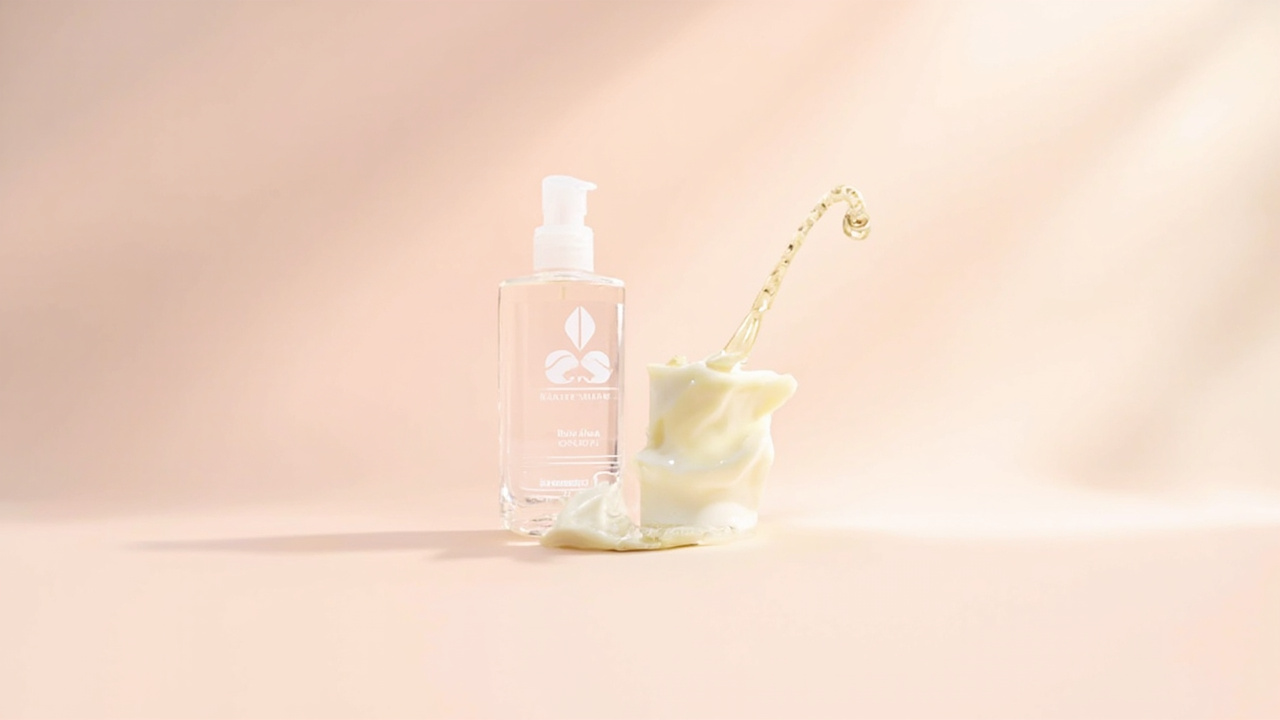
Why a Gentle Cleanser?
Cleansing removes sweat, oil, and bacteria from overnight. For combination skin, harsh cleansers can worsen dryness or trigger excess oil. A gentle cleanser maintains the skin barrier.
What to Look For
- Non-foaming or low-foaming formula: Reduces irritation.
- pH-balanced: Around 5.5 to match skin’s natural pH.
- Hydrating ingredients: Glycerin, ceramides, or hyaluronic acid.
- Avoid: Sulfates, alcohol, and strong fragrances.
How to Cleanse
Step 2: Hydrating Toner for Prepping the Skin
!Step 2: Hydrating Toner for Prepping the Skin
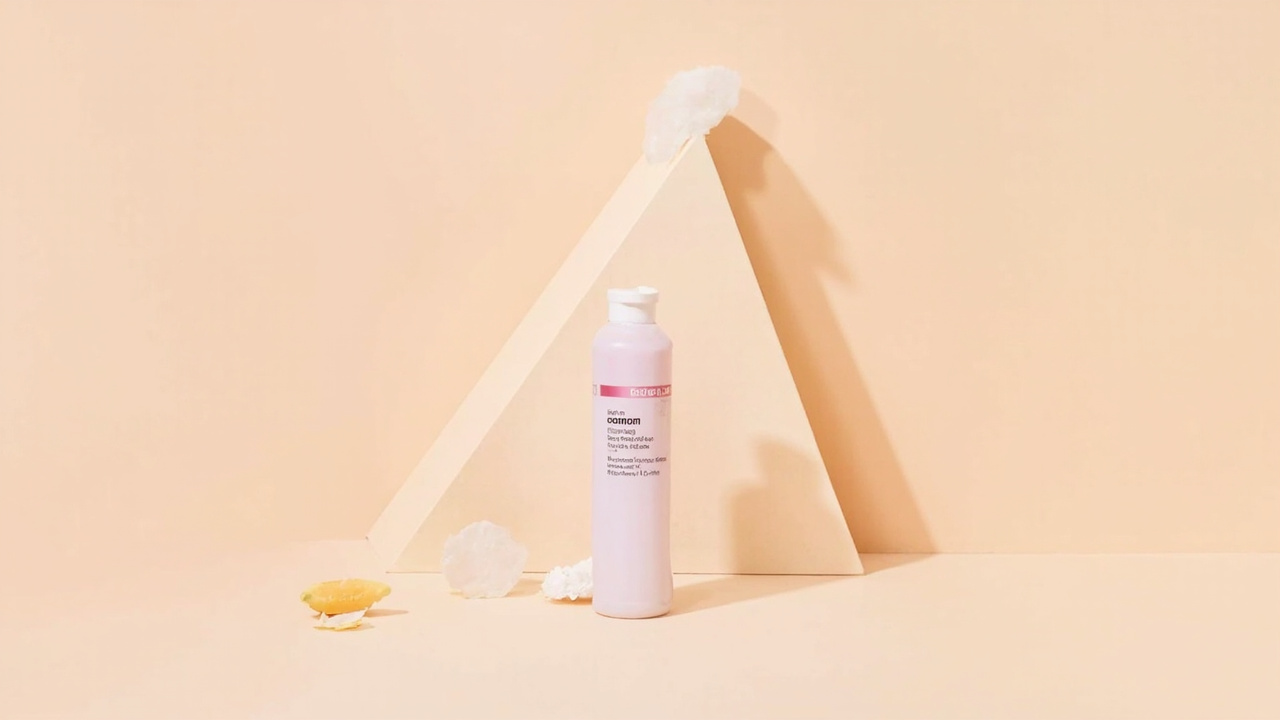
Purpose of a Toner
Toners remove leftover residue. They also prep skin for better absorption of products. Hydrating toners add moisture without oiliness.
Key Ingredients
- Hyaluronic acid: Holds water.
- Glycerin: Attracts moisture.
- Niacinamide: Calms and balances oil.
- Avoid: Alcohol and astringents.
How to Apply
- Use a cotton pad or clean hands.
- Press the toner into skin, do not rub.
- Focus on dry areas.
Step 3: Lightweight Moisturizer for Dual Needs
Why Moisturizer Matters
Moisturizers hydrate and seal in moisture. Combination skin needs a lightweight formula. Heavy creams can clog oily zones. Gel-based or water-based moisturizers work best.
What to Look For
- Non-comedogenic: Won’t clog pores.
- Oil-free: Avoids extra shine.
- Ingredients: Hyaluronic acid, squalane, ceramides.
- Avoid: Heavy oils like coconut oil.
How to Apply
Step 4: Sunscreen – Non-Negotiable for All Skin Types
Why Sunscreen Is Essential
UV rays cause premature aging, dark spots, and skin cancer. Sunscreen protects your skin daily. For combination skin, choose a sunscreen that is lightweight and non-greasy.
SPF Recommendation
- SPF 30 or higher: Blocks 97% of UVB rays.
- Broad spectrum: Protects against UVA and UVB.
- Water-resistant: If you sweat or go near water.
Types of Sunscreen
- Chemical sunscreens: Absorb UV rays. Often lighter texture.
- Physical (mineral) sunscreens: Zinc oxide or titanium dioxide. May leave a white cast.
How to Apply
Optional: Serum or Eye Cream for Targeted Concerns
Serums
Serums deliver concentrated active ingredients. For combination skin, choose serums that address specific issues.
- Niacinamide serum: Reduces oil, improves texture, and strengthens barrier.
- Vitamin C serum: Brightens and protects against pollution. Apply before moisturizer.
- Hyaluronic acid serum: Extra hydration for dry patches.
Eye Cream
Eye creams are optional. They target dark circles, puffiness, or fine lines. Look for ingredients like caffeine (de-puffs) or peptides (firms). Apply a tiny amount with your ring finger.
When to See a Dermatologist: If you have persistent acne, redness, or irritation, consult a board-certified dermatologist. They can recommend prescription treatments.Conclusion
You May Also Like
Explore more articles in our Skincare collection:
- Best Eyeshadow for Sensitive Skin: A Complete Guide to Safe, Stunning Looks
- Best Face Serum for 50s
- Best Face Serum for Acne: Consistency is Key
A simple morning routine for combination skin includes four steps: gentle cleanser, hydrating toner, lightweight moisturizer, and sunscreen. Add serums or eye cream as needed. Stick with the routine for at least 4-6 weeks to see results. Adjust products if your skin changes with seasons or age. Always patch test new products. Remember, healthy skin is a long-term commitment.
Key Takeaways
- Use a gentle, pH-balanced cleanser every morning.
- Apply a hydrating toner without alcohol.
- Choose a lightweight, non-comedogenic moisturizer.
- Never skip sunscreen—SPF 30+ daily.
- Add serums or eye creams for targeted needs.
- Be consistent and patient for best results.
- See a dermatologist for persistent skin issues.
Frequently Asked Questions
Q: Can I use the same moisturizer for both oily and dry areas?A: Yes, a lightweight, oil-free moisturizer works for both. If needed, apply a richer cream only on dry spots.
Q: How often should I exfoliate combination skin?A: Exfoliate 1-2 times per week using a gentle chemical exfoliant (e.g., lactic acid). Avoid physical scrubs.
Q: Is it necessary to use a toner?A: Not mandatory, but a hydrating toner can improve moisture and prep skin. Skip if your routine feels complete.
Q: Can I skip sunscreen if my moisturizer has SPF?A: It’s better to use a separate sunscreen. Moisturizer SPF is often not enough protection. Apply both.
Q: What should I do if my combination skin becomes irritated?A: Stop all active products. Use only gentle cleanser, moisturizer, and sunscreen. If irritation persists, see a dermatologist.
Related Tools
Try these free calculators and quizzes to personalize your routine: