A Simple Morning Routine for Acne-Prone Skin

Introduction: Why a Morning Routine Matters for Acne-Prone Skin
A consistent morning routine is vital for acne-prone skin. It removes excess oil, bacteria, and dead skin cells that accumulate overnight. This helps prevent clogged pores and breakouts. A good routine also prepares your skin for the day, enhancing the effectiveness of treatments and protecting against environmental damage.
Acne-prone skin is often sensitive and easily irritated. Harsh products can worsen acne and cause inflammation. Therefore, a simple, gentle routine is best. Focus on non-comedogenic (non-pore-clogging) products. Avoid over-washing or over-exfoliating, as this can disrupt the skin barrier.
Step 1: Gentle Cleansing
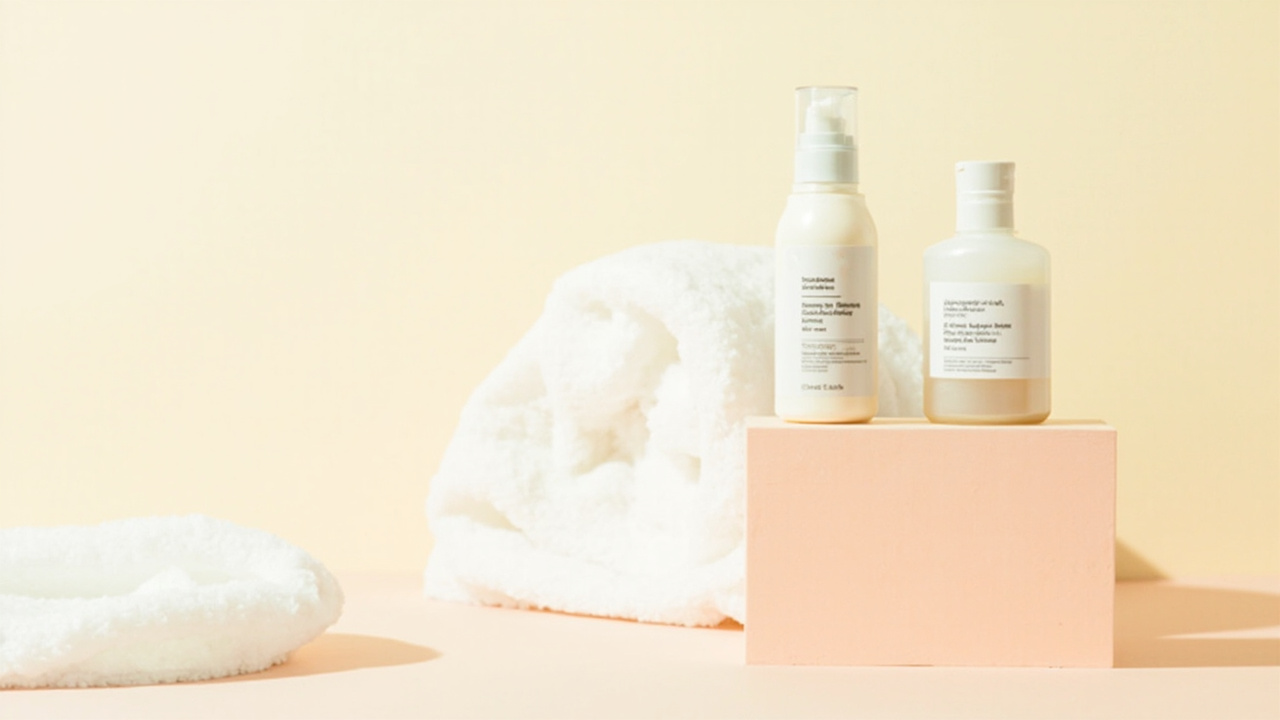
Why Gentle Cleansing?
Cleansing in the morning removes sweat, bacteria, and skincare residues from the night. It also preps the skin for subsequent products. Use a gentle, non-stripping cleanser. Harsh soaps can strip natural oils, causing the skin to produce more oil, which can worsen acne.
How to Choose a Cleanser
- Look for ingredients like salicylic acid, benzoyl peroxide, or niacinamide. These help control acne without excessive irritation.
- Avoid cleansers with sulfates, alcohol, or fragrance, as they can irritate.
- Choose a formula that is non-comedogenic and pH-balanced (around 5.5).
How to Cleanse
- Use lukewarm water. Hot water can dry out the skin.
- Apply a small amount of cleanser to damp skin.
- Gently massage in circular motions for 30-60 seconds.
- Rinse thoroughly and pat dry with a clean towel.
Step 2: Targeted Treatment (Serums or Spot Treatments)
!Step 2: Targeted Treatment (Serums or Spot Treatments)
Why Targeted Treatment?
After cleansing, apply treatments to address active acne and prevent future breakouts. This step delivers active ingredients directly to the skin. Choose products based on your acne type and skin concerns.
Common Active Ingredients
- Salicylic Acid: A beta-hydroxy acid (BHA) that exfoliates inside pores. It helps unclog pores and reduce blackheads and whiteheads. Use a serum with 0.5% to 2% salicylic acid.
- Benzoyl Peroxide: Kills acne-causing bacteria (C. acnes). It also helps remove excess oil. Start with a low concentration (2.5%) to avoid irritation. It can bleach fabrics, so use carefully.
- Niacinamide: A form of vitamin B3. It reduces inflammation, oil production, and redness. It also strengthens the skin barrier. Serums with 4-5% niacinamide are effective.
- Azelaic Acid: Reduces inflammation and kills bacteria. It also helps fade post-acne dark spots. Concentrations of 10-20% are common.
How to Apply
- Apply a few drops of serum to clean, dry skin.
- Gently pat or spread over the entire face, focusing on acne-prone areas.
- Allow the product to absorb for a few minutes before the next step.
- If using a spot treatment, apply a thin layer only on active pimples.
Step 3: Lightweight Moisturizing
Why Moisturize?
Even oily, acne-prone skin needs hydration. Moisturizers help maintain the skin barrier, which is crucial for healthy skin. When the barrier is compromised, bacteria can cause more inflammation. A lightweight, oil-free moisturizer provides hydration without clogging pores.
Choosing a Moisturizer
- Look for non-comedogenic, oil-free, and gel-based formulas.
- Ingredients like hyaluronic acid, glycerin, and ceramides are hydrating and gentle.
- Avoid heavy creams with oils like coconut oil, which can clog pores.
- For added benefits, choose a moisturizer with niacinamide or other acne-fighting ingredients.
How to Apply
- After treatment, apply a pea-sized amount of moisturizer.
- Gently massage into the skin using upward motions.
- Wait a minute or two before applying sunscreen.
Step 4: Sun Protection (Non-Comedogenic Sunscreen)
Why Sunscreen is Non-Negotiable
Sunscreen protects against UV damage, which can worsen acne and cause post-inflammatory hyperpigmentation (dark spots). Many acne treatments increase sun sensitivity. Daily sunscreen use is essential for all skin types, including acne-prone skin.
Choosing a Sunscreen
- Use a broad-spectrum SPF 30 or higher.
- Choose a non-comedogenic, oil-free formula. Look for terms like "non-acnegenic" or "won't clog pores."
- Mineral sunscreens (zinc oxide, titanium dioxide) are often less irritating for sensitive acne-prone skin. Chemical sunscreens (avobenzone, octinoxate) are also fine if tolerated.
- Gel or lotion sunscreens are better than heavy creams.
How to Apply
- Apply sunscreen as the last step of your morning routine.
- Use about a quarter-sized amount for the face and neck.
- Reapply every two hours if outdoors, or as directed.
Additional Tips: Ingredients to Look For and Avoid
Ingredients to Look For
- Salicylic Acid: Exfoliates pores.
- Benzoyl Peroxide: Kills bacteria.
- Niacinamide: Reduces inflammation and oil.
- Azelaic Acid: Fights acne and hyperpigmentation.
- Hyaluronic Acid: Hydrates without oil.
- Ceramides: Support skin barrier.
- Retinoids (e.g., Adapalene): Use in evening routine; increases sun sensitivity.
Ingredients to Avoid
- Alcohol (denatured, SD alcohol): Dries and irritates skin.
- Fragrance and Essential Oils: Can cause allergic reactions and irritation.
- Coconut Oil: Highly comedogenic for many people.
- Lanolin: Can clog pores.
- Sulfates (SLS, SLES): Harsh cleansers that strip oil.
Conclusion
You May Also Like
Explore more articles in our Skincare collection:
- 60s and Beyond Skin Care Routine for Sensitive Skin
- A Beginner's Guide to Large Pores Treatment
- A Simple Morning Routine for Mature Skin: Consistency is Key
A simple morning routine for acne-prone skin is gentle yet effective. Stick to the basics: cleanse, treat, moisturize, and protect. Consistency is more important than using many products. Give your routine at least 4-6 weeks to see results. If you experience persistent acne or irritation, consult a dermatologist. They can prescribe stronger treatments like topical antibiotics or oral medications.
Key Takeaways
- A gentle morning routine helps manage acne without irritation.
- Cleanse with a non-comedogenic, pH-balanced cleanser.
- Use targeted treatments like salicylic acid or niacinamide.
- Moisturize with a lightweight, oil-free product.
- Apply broad-spectrum SPF 30+ sunscreen daily.
- Avoid harsh ingredients like alcohol and fragrance.
- See a dermatologist if acne is severe or not improving.
Frequently Asked Questions
Q: Can I skip moisturizer if my skin is oily?A: No. Oily skin still needs hydration. Skipping moisturizer can cause the skin to produce more oil, worsening acne.
Q: How long does it take for a morning routine to work?A: Most treatments require 4-6 weeks of consistent use to show improvement. Some may take longer.
Q: Can I use the same cleanser morning and night?A: Yes, but a gentle cleanser is best for both. At night, you may need a double cleanse if you wear makeup or sunscreen.
Q: Is it okay to use benzoyl peroxide in the morning?A: Yes, but start with a low concentration (2.5%) and use sunscreen, as it increases sun sensitivity.
Q: What should I do if my skin gets irritated?A: Stop using active ingredients. Use a gentle cleanser and moisturizer only. If irritation persists, see a dermatologist.
Related Tools
Try these free calculators and quizzes to personalize your routine: