A Beginner

What Is Hyperpigmentation?
Hyperpigmentation is a common skin condition. It makes patches of skin darker than the surrounding area. This happens due to excess melanin production. Melanin is the pigment that gives skin its color. Hyperpigmentation can affect any skin type. It is usually harmless but can be distressing.
Common Causes of Hyperpigmentation
!Common Causes of Hyperpigmentation
Several factors trigger excess melanin:
- Sun exposure: UV rays stimulate melanin production.
- Hormonal changes: Pregnancy, birth control, or menopause can cause melasma.
- Inflammation: Acne, eczema, or injuries lead to post-inflammatory hyperpigmentation.
- Medications: Some drugs increase sensitivity to light.
- Medical conditions: Addison's disease or hemochromatosis can cause dark patches.
Types of Hyperpigmentation
Melasma
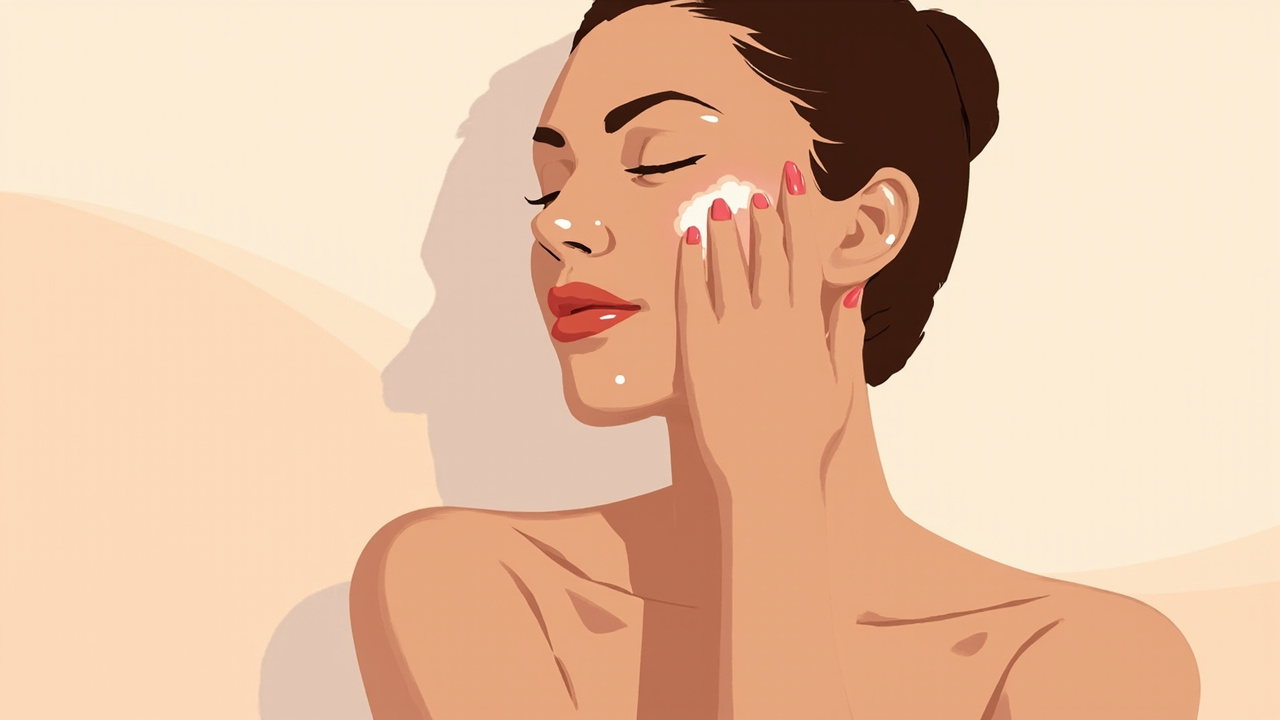
Melasma appears as brown or gray-brown patches. It often occurs on the face. Common areas are cheeks, forehead, nose, and upper lip. It is linked to hormonal changes. Sun exposure makes it worse. Melasma is more common in women.
Sunspots
Sunspots are also called solar lentigines or age spots. They are flat, brown spots. They appear on sun-exposed areas like face, hands, shoulders, and arms. They result from years of sun exposure. They are common in older adults.
Post-Inflammatory Hyperpigmentation
Post-inflammatory hyperpigmentation (PIH) occurs after skin injury or inflammation. Acne is a common cause. It can also follow burns, cuts, or rashes. PIH looks like flat spots or patches. It can be pink, red, purple, brown, or black. It affects all skin types but is more severe in darker skin.
How to Treat Hyperpigmentation: A Step-by-Step Guide
Treating hyperpigmentation requires patience. Results take weeks to months. Consistency is key.
Step 1: Sun Protection
Sun protection is the most important step. UV rays worsen hyperpigmentation. Always use:
- Broad-spectrum sunscreen with SPF 30 or higher
- Physical blockers like zinc oxide or titanium dioxide
- Reapply every two hours when outdoors
- Seek shade during peak sun hours (10 a.m. to 4 p.m.)
- Wear protective clothing such as hats and sunglasses
Step 2: Topical Ingredients to Look For
Many ingredients can lighten dark spots. They work by inhibiting melanin production or speeding skin turnover.
- Vitamin C: An antioxidant that brightens skin. Use in the morning.
- Niacinamide: Reduces pigmentation and improves skin barrier.
- Kojic acid: Derived from mushrooms, inhibits melanin.
- Azelaic acid: Good for PIH and melasma.
- Retinoids: Speed cell turnover. Start with low strength.
- Hydroquinone: A potent lightening agent. Use under doctor supervision.
- Tranexamic acid: Helps with melasma.
Step 3: Professional Treatments
If topicals aren't enough, consider professional procedures. These should be done by a dermatologist.
- Chemical peels: Use acids to exfoliate the top skin layer.
- Microdermabrasion: Gently sands the skin.
- Laser therapy: Targets pigment with light energy.
- Intense pulsed light (IPL): Broad-spectrum light for sunspots.
- Microneedling: Creates tiny wounds to stimulate collagen.
Building a Skincare Routine for Hyperpigmentation
A consistent routine helps manage hyperpigmentation. Here is a sample routine:
Morning:- Exfoliate gently once or twice a week. Use a mild chemical exfoliant like lactic acid.
- Avoid harsh scrubs.
- Be gentle with your skin.
- Don't pick at acne or scabs.
- Give products time to work. Expect improvement in 3-6 months.
When to See a Dermatologist
See a dermatologist if:
- You are unsure about your skin condition.
- Over-the-counter products don't work after 3 months.
- The spots change in size, shape, or color.
- You have a history of skin cancer.
- You experience side effects from treatments.
A dermatologist can diagnose the type of hyperpigmentation. They can prescribe stronger treatments. They can also rule out serious conditions.
Key Takeaways
- Hyperpigmentation is excess melanin causing dark patches.
- Common types: melasma, sunspots, and post-inflammatory hyperpigmentation.
- Sun protection is crucial. Use SPF 30+ daily.
- Topical ingredients like vitamin C, niacinamide, and retinoids help.
- Professional treatments include chemical peels and lasers.
- Be patient. Treatment takes time.
- Consult a dermatologist for persistent or changing spots.
Frequently Asked Questions
Q: Can hyperpigmentation be cured completely?A: It can be significantly lightened but not always cured. Maintenance is needed.
Q: Is hyperpigmentation permanent?A: Some types fade over time. Others may persist without treatment.
Q: Can I use multiple brightening products together?A: Yes, but introduce them slowly. Avoid combining strong actives like retinoids and acids at the same time.
Q: Does skin lightening cream work?A: Some creams are effective. Look for ingredients like hydroquinone or kojic acid. Use under guidance.
Q: Can diet affect hyperpigmentation?A: Diet has a minor role. Antioxidant-rich foods may help. Sun protection is more important.
You May Also Like
Explore more articles in our Health collection:
- A Beginner's Guide to Blackheads Treatment
- A Beginner's Guide to Sun Damage Treatment
- Anti Aging Tips for Women Over 30: Science-Backed Strategies for Radiant Skin
Related Tools
Try these free calculators and quizzes to personalize your routine: