40s Skin Care Routine for Redness

Understanding Skin Changes in Your 40s and Redness
As you enter your 40s, your skin undergoes significant changes. Collagen production slows down. The skin barrier becomes thinner and more fragile. This makes blood vessels more visible. Redness and rosacea often become more apparent.
Hormonal shifts also play a role. Menopause can trigger hot flashes and flushing. These factors combine to create persistent redness. Your skin may feel sensitive and reactive.
Key Causes of Redness in Mature Skin
!Key Causes of Redness in Mature Skin
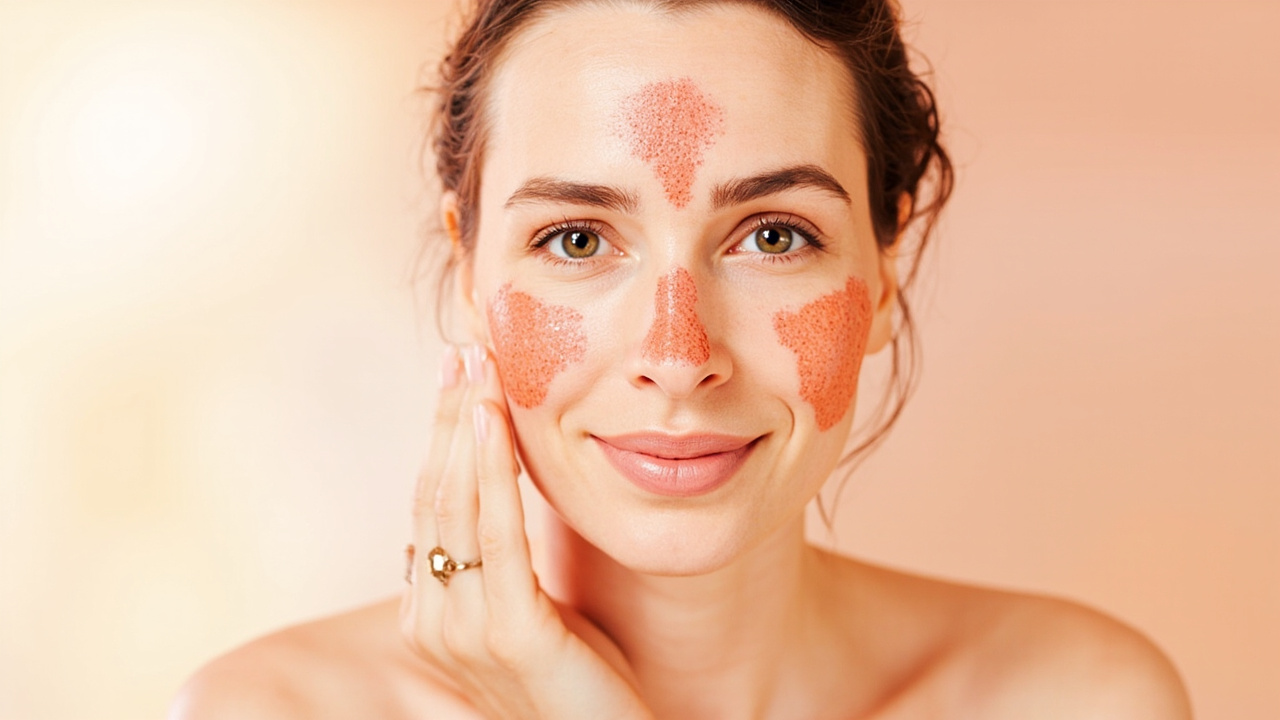
Redness in your 40s has several causes. Understanding them helps you choose the right routine.
- Rosacea: A chronic condition causing facial redness and bumps. It often starts in middle age.
- Sun damage: UV rays weaken blood vessel walls. Over time, this leads to visible broken capillaries.
- Thinning skin: With age, the skin loses collagen and elastin. The protective barrier weakens, making redness more likely.
- Hormonal changes: Fluctuations in estrogen and progesterone affect blood flow. This can cause flushing and redness.
- Lifestyle factors: Stress, spicy foods, alcohol, and extreme temperatures can trigger redness.
Essential Steps in a 40s Skin Care Routine for Redness
!Essential Steps in a 40s Skin Care Routine for Redness
A targeted routine can calm redness and protect your skin. Follow these steps daily.
Gentle Cleansing
Choose a mild, non-foaming cleanser. Avoid harsh sulfates and fragrances. Look for ingredients like ceramides, glycerin, or aloe vera.
- Use lukewarm water, not hot.
- Wash once in the morning and once at night.
- Pat dry with a soft towel. Do not rub.
Soothing Toners and Essences
Toners can hydrate and calm. Avoid alcohol-based toners. Instead, use hydrating formulas with ingredients like:
- Niacinamide: Reduces redness and strengthens the barrier.
- Centella asiatica: Also known as cica, it soothes inflammation.
- Green tea extract: Contains antioxidants that calm the skin.
Apply with your fingertips or a soft cotton pad. Gently press into the skin.
Targeted Serums for Redness
Serums deliver active ingredients deep into the skin. For redness, look for:
- Azelaic acid: Reduces redness and inflammation. It is effective for rosacea.
- Vitamin C: An antioxidant that brightens and protects. Use a stable form like ascorbic acid.
- Peptides: Support collagen production and repair the barrier.
Apply serum after toner. Use a pea-sized amount. Let it absorb before the next step.
Hydrating Moisturizers
Moisturizers lock in hydration and protect the barrier. Choose a rich, fragrance-free cream.
Key ingredients:
- Ceramides: Restore the skin barrier.
- Squalane: Lightweight and hydrating.
- Shea butter: Nourishes and soothes.
Apply moisturizer while skin is still damp. This boosts hydration.
Sun Protection is Non-Negotiable
Sun exposure worsens redness and triggers flare-ups. Use a broad-spectrum sunscreen with SPF 30 or higher.
- Choose mineral sunscreens with zinc oxide or titanium dioxide. They are less irritating.
- Apply every morning. Reapply every two hours if outdoors.
- Wear a wide-brimmed hat for extra protection.
Lifestyle Tips to Reduce Redness
- Avoid triggers: Keep a diary to identify foods, drinks, or activities that cause redness.
- Manage stress: Practice relaxation techniques like deep breathing or yoga.
- Stay cool: Avoid hot showers and saunas. Use a fan during hot flashes.
- Use gentle products: Avoid exfoliants with harsh beads or acids. Stick to mild formulas.
- Sleep on your back: This reduces pressure on the face and prevents flushing.
Recommended Products for Redness-Prone Skin in Your 40s
When choosing products, look for these labels:
- "For sensitive skin"
- "Fragrance-free"
- "Non-comedogenic" (won't clog pores)
- "Hypoallergenic"
Avoid products with:
- Alcohol denat.
- Menthol
- Camphor
- Essential oils
- Strong acids (glycolic, salicylic in high concentrations)
Consider these ingredient-focused products:
- Cleanser: Cerave Hydrating Cleanser
- Toner: Paula's Choice Skin Recovery Enriched Calming Toner
- Serum: The Ordinary Azelaic Acid Suspension 10%
- Moisturizer: La Roche-Posay Toleriane Double Repair Face Moisturizer
- Sunscreen: EltaMD UV Clear Broad-Spectrum SPF 46
When to See a Dermatologist
See a dermatologist if:
- Redness is severe or spreading.
- You have persistent bumps or pustules.
- Over-the-counter products do not help.
- Redness affects your self-esteem.
A dermatologist can prescribe treatments like:
- Topical metronidazole or ivermectin for rosacea.
- Oral antibiotics for inflammation.
- Laser therapy to reduce visible blood vessels.
Early treatment prevents worsening. Do not self-diagnose.
Key Takeaways
- Redness in your 40s is common due to aging, hormones, and sun damage.
- Use a gentle routine: mild cleanser, soothing toner, targeted serum, hydrating moisturizer, and sunscreen.
- Avoid triggers and choose fragrance-free, barrier-supporting products.
- See a dermatologist if redness persists or worsens.
Frequently Asked Questions
Q: Can I use retinol if I have redness?A: Retinol can irritate sensitive skin. Start with a low concentration (0.25%) and use it once a week. Always follow with moisturizer. If redness increases, stop.
Q: Is it safe to use vitamin C with azelaic acid?A: Yes, they can be used together. Apply vitamin C in the morning and azelaic acid at night. Both reduce redness and protect the skin.
Q: How long does it take to see results from a redness routine?A: It may take 4-8 weeks to see improvement. Consistency is key. If no change after 3 months, consult a dermatologist.
Q: Can diet affect facial redness?A: Yes. Spicy foods, alcohol, and hot drinks can trigger flushing. A diet rich in anti-inflammatory foods (omega-3s, antioxidants) may help.
Q: Should I exfoliate if I have redness?A: Avoid physical scrubs. Use a gentle chemical exfoliant like lactic acid (5%) once a week. Stop if irritation occurs.
You May Also Like
Explore more articles in our Skincare collection:
- Best Luxury Face Serum for Dandruff
- Best Luxury Face Serum for Oily Skin: Expert Guide to High-End Picks
- Best Luxury Face Serum for Uneven Skin Tone
Related Tools
Try these free calculators and quizzes to personalize your routine: