40s Skin Care Routine for Eczema

Understanding Eczema in Your 40s
Eczema, also known as atopic dermatitis, is a chronic inflammatory skin condition. It causes dry, itchy, and red patches. In your 40s, eczema can behave differently. Hormonal changes, stress, and aging skin play a role.
Why Eczema Changes with Age
As you age, your skin naturally becomes thinner and drier. Oil production decreases. This makes the skin barrier weaker. A weak barrier loses moisture and lets irritants in. For eczema-prone skin, this means more flare-ups.
Hormonal shifts during perimenopause can also trigger inflammation. Estrogen levels drop, which affects skin hydration and elasticity. This can worsen eczema symptoms.
Common Triggers for Eczema in Midlife
Triggers vary by person. Common ones in your 40s include:
- Stress: High stress increases cortisol, which can inflame skin.
- Harsh soaps and detergents: They strip natural oils.
- Weather changes: Cold, dry air or hot, humid conditions.
- Allergens: Dust mites, pet dander, pollen.
- Certain fabrics: Wool and synthetics can irritate.
- Diet: Some find dairy, sugar, or alcohol triggers flare-ups.
- Hormonal fluctuations: Menstrual cycles, pregnancy, perimenopause.
Identifying your triggers is key. Keep a symptom diary. Note when flare-ups occur and what you were exposed to.
Building a Gentle 40s Skin Care Routine for Eczema
!Building a Gentle 40s Skin Care Routine for Eczema
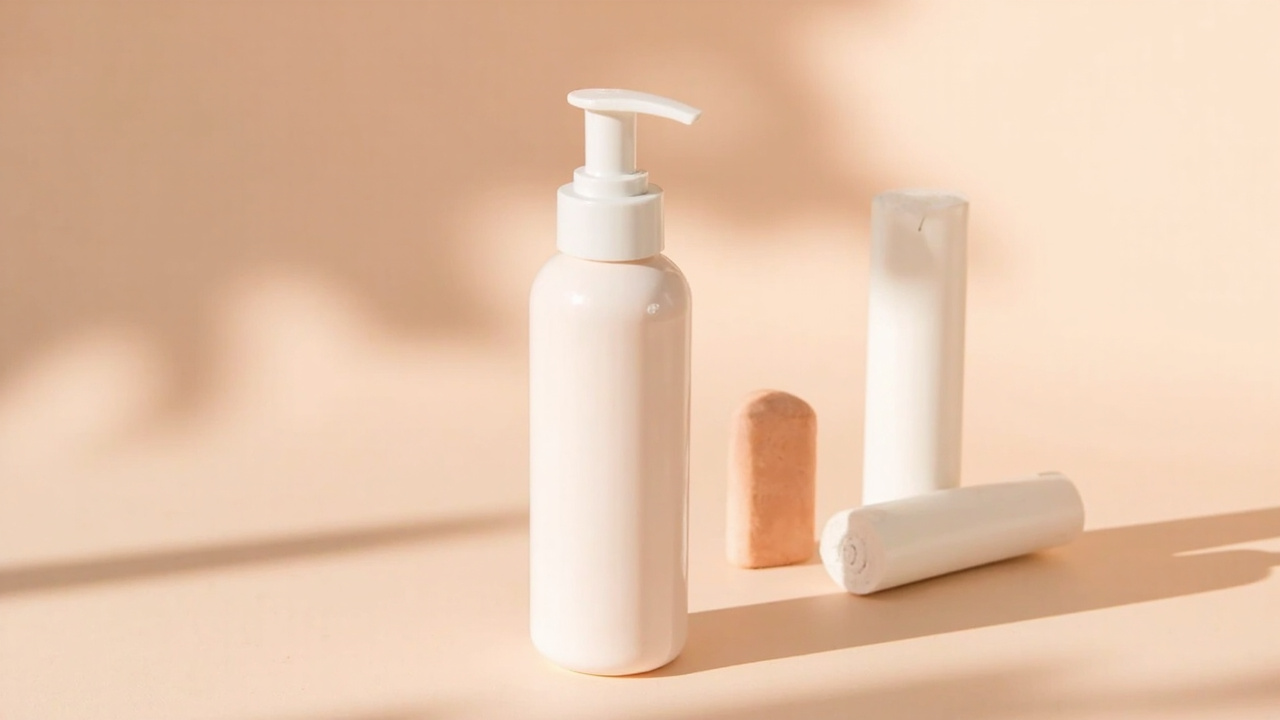
A consistent routine helps manage eczema. Focus on gentle cleansing, deep hydration, and protection. Avoid harsh products. Less is more.
Step 1: Cleanse with Care
Cleansing removes dirt, oil, and allergens. But it can also strip moisture. Follow these tips:
- Use a gentle, fragrance-free cleanser. Look for "soap-free" or "synthetic detergent" bars.
- Avoid hot water. Use lukewarm water instead.
- Limit cleansing to once or twice daily. Over-washing dries skin.
- Pat dry with a soft towel. Do not rub.
Recommended cleanser types:
- Cream cleansers
- Oil-based cleansers
- Micellar water (rinse off)
Step 2: Hydrate and Lock in Moisture
Moisturizing is the cornerstone of eczema care. Apply moisturizer within 3 minutes after bathing. This traps water in the skin.
- Choose a thick cream or ointment. Lotions have more water and evaporate quickly.
- Look for ingredients like ceramides, glycerin, hyaluronic acid, and shea butter.
- Apply generously all over the body, especially on dry areas.
- For very dry skin, use an ointment like petroleum jelly.
Step 3: Targeted Treatments for Flare-Ups
When eczema flares, you need stronger treatments. Over-the-counter options include:
- Hydrocortisone cream (1%): Use for short periods (up to 7 days) on red, itchy spots.
- Calcineurin inhibitors: Prescription creams like tacrolimus or pimecrolimus. They reduce inflammation without steroids.
- Crisaborole ointment: A non-steroidal prescription option.
Always use these as directed. Overuse of steroids can thin skin.
Step 4: Sun Protection Without Irritation
Sunscreen is vital, but many products irritate eczema-prone skin. Choose:
- Mineral sunscreens: Zinc oxide or titanium dioxide. They sit on top of skin and are less likely to cause reactions.
- Broad-spectrum SPF 30 or higher.
- Fragrance-free and hypoallergenic formulas.
Apply sunscreen after moisturizer. Reapply every 2 hours if outdoors.
Ingredients to Embrace and Avoid
!Ingredients to Embrace and Avoid
Knowing what ingredients help or harm is crucial.
Best Ingredients for Eczema-Prone Skin in Your 40s
- Ceramides: Restore the skin barrier.
- Glycerin: Attracts moisture to the skin.
- Hyaluronic acid: Holds water, plumps skin.
- Shea butter: Rich emollient, soothes dryness.
- Colloidal oatmeal: Anti-inflammatory, relieves itch.
- Niacinamide: Calms redness and strengthens barrier.
- Petrolatum: Seals in moisture.
Ingredients That Can Worsen Eczema
- Fragrance: Both natural and synthetic. Look for "fragrance-free" labels.
- Essential oils: Lavender, tea tree, eucalyptus can irritate.
- Alcohol: Denatured alcohol dries skin.
- Alpha-hydroxy acids (AHAs): May sting and cause irritation.
- Retinoids: Can be too harsh for active eczema. Use with caution.
- Urea: In high concentrations, it can sting broken skin.
Always patch test new products. Apply a small amount on your inner arm for 24 hours.
Lifestyle Tips for Managing Eczema in Your 40s
Skin care alone isn't enough. Lifestyle changes can reduce flare-ups.
Diet and Hydration
- Drink plenty of water. Aim for 8 glasses daily.
- Eat anti-inflammatory foods: fatty fish (salmon, mackerel), leafy greens, berries, nuts.
- Avoid known triggers: dairy, gluten, sugar, alcohol. Try an elimination diet.
- Consider probiotics. They may support gut health and reduce inflammation.
Stress Management
Stress is a major trigger. Practice relaxation techniques:
- Deep breathing exercises
- Meditation or mindfulness
- Yoga or tai chi
- Regular physical activity (but rinse off sweat quickly)
Sleep and Skin Repair
Sleep allows skin to repair. Aim for 7-9 hours per night.
- Use a humidifier in your bedroom. It adds moisture to the air.
- Keep your bedroom cool (65-70°F).
- Wear soft, breathable pajamas (cotton or bamboo).
- Avoid scratching at night. Keep nails short and smooth.
When to See a Dermatologist
If your eczema is severe or not improving, see a dermatologist. Signs you need professional help:
- Intense itching that disrupts sleep
- Widespread redness or oozing
- Signs of infection (yellow crust, pus, fever)
- Eczema that doesn't respond to OTC treatments
- Skin thickening from chronic scratching
A dermatologist can prescribe stronger treatments. These include topical steroids, oral medications, or biologics like dupilumab. They can also rule out other skin conditions.
Key Takeaways
- Eczema changes in your 40s due to aging skin and hormones.
- Use a gentle, fragrance-free routine: cleanse, moisturize, protect.
- Apply moisturizer within 3 minutes of bathing.
- Identify and avoid your personal triggers.
- Choose mineral sunscreens and barrier-repairing ingredients.
- Manage stress, diet, and sleep for overall skin health.
- See a dermatologist if eczema is severe or infected.
Frequently Asked Questions
Q: Can I use anti-aging products if I have eczema?A: Yes, but choose gentle options. Avoid strong retinoids during flare-ups. Use peptides or bakuchiol instead. Always patch test.
Q: Is it safe to use hydrocortisone on my face?A: Use with caution. The face is sensitive. Limit to 3-5 days. Consider a non-steroidal prescription cream for longer use.
Q: Can diet alone cure eczema?A: No, but an anti-inflammatory diet can reduce flare-ups. It is part of a comprehensive management plan.
Q: How often should I shower?A: Once daily is enough. Keep showers short (5-10 minutes) with lukewarm water. Avoid scrubbing.
Q: Are natural products better for eczema?A: Not always. "Natural" does not mean safe. Essential oils can irritate. Stick with fragrance-free, hypoallergenic products.
Citations
You May Also Like
Explore more articles in our Skincare collection:
- Best Luxury Face Serum for Rosacea
- Best Luxury Moisturizer for Dark Circles
- Best Makeup Remover for Psoriasis: A Complete Guide to Gentle, Effective Cleansing
Related Tools
Try these free calculators and quizzes to personalize your routine: