20s Skin Care Routine for Inflammation

Understanding Inflammation in Your 20s
In your 20s, skin inflammation is common. It can appear as acne, redness, or sensitivity. Causes include stress, diet, hormones, and environmental factors. Chronic inflammation can lead to premature aging. That is why an anti-inflammatory routine is essential.
Inflammation is your body's immune response. In skin, it shows as swelling, heat, and redness. Triggers in your 20s often include:
- Hormonal fluctuations (e.g., menstrual cycle)
- Diet high in sugar and dairy
- Lack of sleep
- Pollution and UV exposure
- Over-exfoliation
An anti-inflammatory routine helps calm the skin. It reduces redness and prevents breakouts. It also supports skin barrier health.
Key Ingredients for an Anti-Inflammatory Skin Care Routine
!Key Ingredients for an Anti-Inflammatory Skin Care Routine
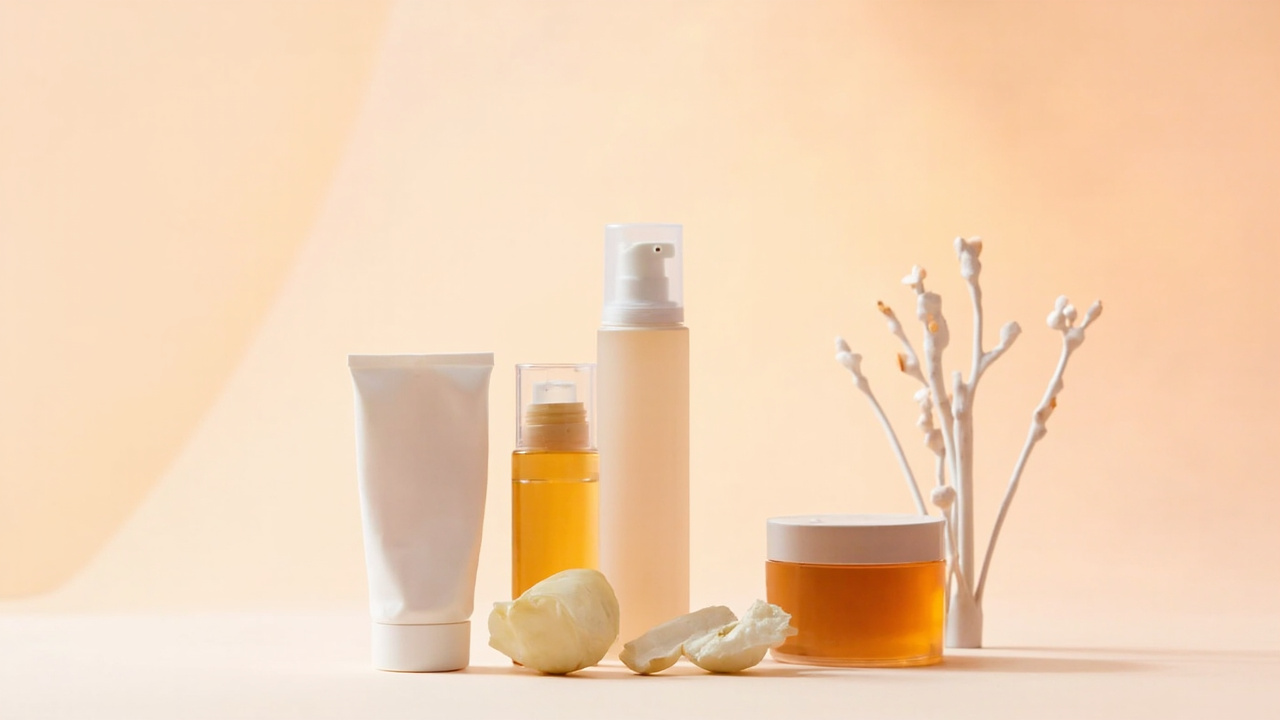
Choosing the right ingredients is crucial. Look for these proven anti-inflammatory components.
Cleansers and Toners
- Gentle cleansers: Use sulfate-free cleansers. They remove dirt without stripping oils. Examples: glycerin, ceramides.
- Anti-inflammatory toners: Avoid alcohol. Look for:
- Green tea extract: Rich in polyphenols. Soothes irritation.
- Chamomile: Contains bisabolol. Reduces redness.
- Aloe vera: Hydrates and calms.
Serums and Moisturizers
- Niacinamide (Vitamin B3): Reduces inflammation and redness. Strengthens barrier.
- Centella Asiatica (Cica): Promotes healing. Calms sensitive skin.
- Azelaic acid: Treats acne and rosacea. Anti-inflammatory.
- Ceramides: Restore barrier. Lock in moisture.
- Omega fatty acids: Found in oils like squalane. Soothe dryness.
- Probiotics: Support skin microbiome. Reduce irritation.
Sun Protection
- Mineral sunscreens: Zinc oxide and titanium dioxide. They reflect UV rays. Less irritating than chemical filters.
- Broad-spectrum SPF 30+: Protects against UVA and UVB. Prevents inflammation from sun damage.
- Anti-inflammatory ingredients in sunscreen: Look for niacinamide or green tea.
Sample 20s Skin Care Routine for Inflammation
!Sample 20s Skin Care Routine for Inflammation
Here is a simple routine. It includes morning and evening steps.
Morning Routine
Evening Routine
Lifestyle Tips to Reduce Skin Inflammation
- Diet: Eat anti-inflammatory foods. Examples: berries, fatty fish, leafy greens. Avoid high-glycemic foods and dairy.
- Hydration: Drink 8-10 glasses of water daily. Hydration supports skin barrier.
- Sleep: Get 7-9 hours per night. Poor sleep increases cortisol, which triggers inflammation.
- Stress management: Practice yoga, meditation, or deep breathing. Chronic stress worsens inflammation.
- Exercise: Moderate activity improves blood flow. But shower soon after to remove sweat.
- Avoid smoking and excess alcohol: Both cause oxidative stress and inflammation.
When to See a Dermatologist
See a dermatologist if:
- Inflammation persists despite a consistent routine.
- You have severe acne, cystic breakouts, or rosacea.
- Skin becomes painful, blistered, or infected.
- You suspect an allergic reaction to a product.
- Inflammation affects your daily life or self-esteem.
A dermatologist can prescribe stronger treatments. Examples: topical corticosteroids, antibiotics, or isotretinoin. They can also rule out underlying conditions like eczema or psoriasis.
Key Takeaways
- Inflammation in your 20s is common and manageable.
- Use gentle cleansers, soothing toners, and anti-inflammatory serums.
- Niacinamide, centella asiatica, and azelaic acid are key ingredients.
- Always wear mineral sunscreen SPF 30+.
- Follow a consistent morning and evening routine.
- Support your skin with a healthy diet, hydration, sleep, and stress reduction.
- See a dermatologist if inflammation persists or worsens.
Frequently Asked Questions
Q: Can I use exfoliants in an anti-inflammatory routine?A: Yes, but use gentle exfoliants like PHA or low-concentration lactic acid. Avoid harsh scrubs and high-strength AHAs/BHAs. Limit to 1-2 times per week.
Q: Is it safe to use vitamin C with niacinamide?A: Yes. Modern formulations are stable. Use vitamin C in the morning and niacinamide at night, or layer them with a wait time.
Q: How long does it take to see results?A: Most people see improvement in 4-6 weeks. Consistency is key. Some ingredients like azelaic acid may take 8-12 weeks.
Q: Can diet alone fix skin inflammation?A: Diet helps but is not a standalone solution. Combine with a proper skincare routine and healthy lifestyle.
Q: Should I avoid all oils if my skin is inflamed?A: No. Non-comedogenic oils like squalane, jojoba, and rosehip oil can soothe and hydrate. Avoid heavy oils like coconut oil if you are prone to acne.
Citations
- American Academy of Dermatology. "How to build an anti-inflammatory skincare routine." aad.org
- PubMed. "Niacinamide: A Review on Its Dermatologic Benefits." pubmed.ncbi.nlm.nih.gov
- Mayo Clinic. "Acne: Lifestyle and home remedies." mayoclinic.org
- Journal of Drugs in Dermatology. "Azelaic Acid: A Review of Its Mechanisms and Clinical Applications." jddonline.com
You May Also Like
Explore more articles in our Nutrition collection:
- 40s Skin Care Routine for Inflammation
- Best Fragrance-Free Face Serum for Inflammation
- Plant-Based Diet Benefits: A Comprehensive Guide to Health and Wellness
Related Tools
Try these free calculators and quizzes to personalize your routine: