20s Skin Care Routine for Frizzy Hair

Why Your 20s Are Crucial for Skin and Hair Care
Your 20s are a foundation decade. Collagen production starts to decline around age 25. This affects skin elasticity and hair strength. Early prevention can slow visible aging.
Frizzy hair often signals dryness or damage. In your 20s, hormonal changes can worsen oiliness or dryness. A consistent routine helps balance both skin and hair.
Investing now pays off later. You can maintain a youthful glow and smooth texture.
Understanding Frizzy Hair and Its Connection to Skin
!Understanding Frizzy Hair and Its Connection to Skin

Frizzy hair occurs when the cuticle lifts. Moisture enters and swells the hair shaft. This leads to a rough, unruly appearance.
Skin and hair share similar needs. Both require hydration, protection, and gentle care. Dry skin often accompanies dry, frizzy hair. Oily skin may correlate with a greasy scalp.
Genetics, environment, and products play roles. Humidity worsens frizz. Harsh cleansers strip natural oils.
A unified approach treats both. Use hydrating, sulfate-free products. Protect from UV and heat.
Morning Routine for Skin and Frizzy Hair
!Morning Routine for Skin and Frizzy Hair
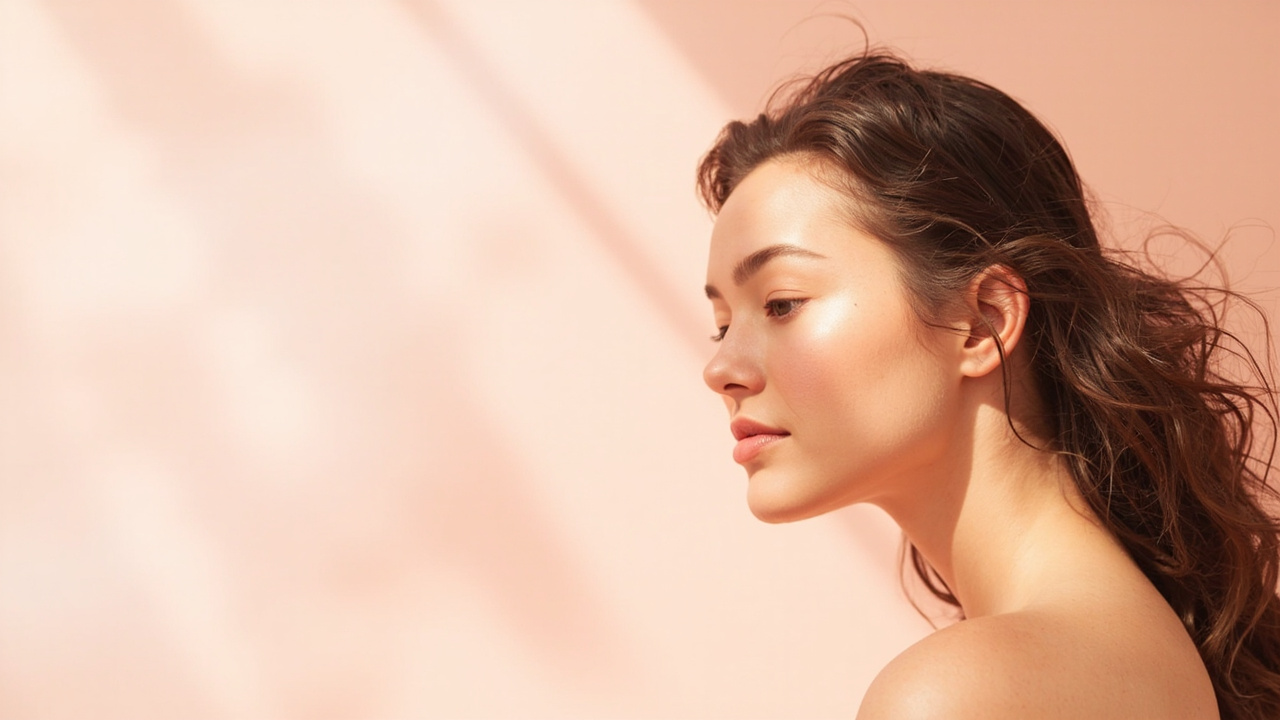
Start your day with a gentle routine. It sets the tone for skin and hair health.
Step 1: Gentle Cleanser
Use a mild, non-stripping cleanser. Avoid sulfates. They dry out skin and hair.
- Look for glycerin, ceramides, or aloe.
- Wet face with lukewarm water.
- Massage cleanser for 30 seconds. Rinse well.
Step 2: Hydrating Toner
Toners restore pH and add moisture. Choose alcohol-free options.
- Apply with hands or a cotton pad.
- Ingredients like hyaluronic acid are ideal.
- Pat gently into skin.
Step 3: Vitamin C Serum
Vitamin C is an antioxidant. It protects against UV damage and boosts collagen.
- Apply 3-4 drops to dry skin.
- Wait 1-2 minutes before next step.
- Use in the morning for best results.
Step 4: Moisturizer with SPF
Sun protection is non-negotiable. UV rays cause premature aging and worsen frizz.
- Choose SPF 30 or higher.
- Look for broad-spectrum protection.
- Apply generously to face and neck.
Step 5: Leave-in Conditioner and Anti-Frizz Serum
Hydrate hair without weighing it down.
- Use a lightweight leave-in conditioner.
- Apply to damp hair from mid-lengths to ends.
- Seal with a drop of anti-frizz serum. Avoid roots.
Evening Routine for Skin and Frizzy Hair
Nighttime is for repair. Your skin and hair regenerate while you sleep.
Step 1: Double Cleanse (Oil + Water-Based)
Double cleansing removes makeup, sunscreen, and dirt.
- Start with an oil-based cleanser. Massage onto dry skin. Emulsify with water and rinse.
- Follow with a water-based cleanser. Use a gentle formula.
This method prevents clogged pores and scalp buildup.
Step 2: Exfoliate (2-3 Times a Week)
Exfoliation removes dead skin cells. It also clarifies the scalp.
- Use a chemical exfoliant like salicylic acid or lactic acid.
- Avoid physical scrubs; they cause micro-tears.
- For scalp, use a gentle shampoo with salicylic acid once a week.
Step 3: Retinol or Peptide Serum
Retinol boosts cell turnover and collagen. Peptides support skin structure.
- Start with a low concentration (0.25%-0.5%).
- Apply pea-sized amount to clean skin.
- Use only at night. Avoid eye area.
- If new to retinol, use every other night.
Step 4: Night Moisturizer
Replenish moisture overnight. Choose a richer formula than daytime.
- Look for ceramides, niacinamide, or shea butter.
- Apply to face and neck.
Step 5: Hair Oil or Deep Conditioner
Nourish hair while you sleep.
- Use a few drops of hair oil (argan, jojoba, or coconut).
- Apply to ends only.
- Alternatively, use a deep conditioner once a week. Leave on for 20 minutes.
Weekly Treatments for Skin and Hair
Intensive care once a week boosts results.
Face Mask and Hair Mask Combo
Pamper yourself with a double mask session.
- For skin: Choose a hydrating mask with hyaluronic acid. Or a clarifying mask with clay for oily areas.
- For hair: Use a moisturizing hair mask. Apply to clean, damp hair.
- Leave both on for 10-15 minutes. Rinse thoroughly.
Scalp Care for Healthy Hair Growth
A healthy scalp means better hair.
- Use a scalp scrub or brush once a week.
- Massage gently to stimulate circulation.
- Try a scalp serum with ingredients like tea tree oil or niacinamide.
Lifestyle Tips to Complement Your Routine
Your daily habits affect skin and hair.
Diet and Hydration
Eat a balanced diet rich in antioxidants.
- Include fruits, vegetables, and healthy fats.
- Omega-3s from fish or flaxseed help hair shine.
- Drink at least 8 glasses of water daily.
Stress Management and Sleep
Stress raises cortisol levels. This can increase oil production and hair shedding.
- Practice mindfulness or meditation.
- Aim for 7-9 hours of sleep per night.
- Use a silk pillowcase to reduce friction and frizz.
Product Recommendations for 20s Skin and Frizzy Hair
Choose products based on ingredients, not brands.
Best Cleansers and Moisturizers
- Cleansers: Look for ceramides, glycerin, or hyaluronic acid. Avoid sulfates and alcohol.
- Moisturizers: For day, use a lightweight formula with SPF. For night, choose a richer cream with peptides or retinol.
Best Anti-Frizz Products
- Leave-in conditioners: Contain silicones or oils for smoothness.
- Serums: Silicone-based or with argan oil.
- Hair oils: Argan, jojoba, or coconut oil. Use sparingly.
Common Mistakes to Avoid
- Over-washing hair: Strips natural oils, causing more frizz. Wash 2-3 times a week.
- Skipping sunscreen: UV damage accelerates aging and weakens hair.
- Using hot water: Dries out skin and hair. Use lukewarm water.
- Touching face frequently: Transfers dirt and bacteria.
- Ignoring scalp health: A clean scalp promotes healthy hair growth.
Conclusion
You May Also Like
Explore more articles in our Beauty collection:
- How to Stop Wrinkles: The Complete Step-by-Step Guide to Prevention and Treatment
- How to Treat Thinning Hair at Home
- Minimalist Routine for Frizzy Hair Prone Skin
Your 20s are the perfect time to establish a skin and hair routine. Consistent care prevents premature aging and frizz. Focus on hydration, sun protection, and gentle products. Adjust as your skin and hair change. See a dermatologist if you have persistent issues like acne or hair loss.
Key Takeaways
- Start a routine in your 20s for long-term benefits.
- Use gentle, hydrating products for both skin and hair.
- Protect from UV with SPF and hair products.
- Exfoliate and use treatments weekly.
- Maintain a healthy diet, sleep, and stress management.
- Consult a dermatologist for specific concerns.
Frequently Asked Questions
Can I use the same products for skin and hair?
No, skin and hair have different needs. Use separate products formulated for each.
How often should I wash frizzy hair?
Wash 2-3 times a week with a sulfate-free shampoo to avoid stripping natural oils.
Is retinol safe for 20s skin?
Yes, but start with a low concentration (0.25%-0.5%) and use it every other night. Always wear sunscreen.
What ingredients help frizzy hair?
Look for argan oil, shea butter, silicones, and glycerin in hair products.
When should I see a dermatologist?
If you have persistent acne, hair loss, or scalp issues that don't improve with over-the-counter products.
Related Tools
Try these free calculators and quizzes to personalize your routine: