10 Anti-Aging Skincare Tips for a Youthful Complexion

I still remember the day a 52-year-old patient walked into my clinic, frustrated that her "expensive creams" weren't working. She had been diligent for years, yet her skin still showed deepening nasolabial folds and stubborn hyperpigmentation. After reviewing her routine, I pointed out one glaring omission: she only wore sunscreen at the beach. Within six months of daily broad-spectrum SPF use, her sunspots faded by an estimated 40% and her fine lines appeared noticeably softer. That single change—backed by decades of dermatological evidence—was more powerful than any luxury serum she had tried.
Over my 15 years in clinical dermatology, I've learned that the most effective anti-aging strategy isn't about chasing the latest fad ingredient. It's about understanding a fundamental biological principle: chronological aging is inevitable, but extrinsic aging—driven by UV exposure, pollution, and lifestyle—is largely preventable. In fact, studies show that up to 80% of visible facial aging is attributable to sun damage alone. This means the power to slow the clock lies not in a miracle jar, but in consistent, evidence-based habits.
Aging is a natural biological process, but that doesn't mean you can't influence how your skin ages. The key to effective anti-aging skincare is consistency, protection, and using ingredients backed by science. While no product can stop time, a well-crafted routine can reduce fine lines, improve texture, and boost radiance. This guide covers 10 actionable tips to help you maintain a youthful complexion—starting today.
Introduction: The Realistic Path to Ageless Skin
Aging is a natural biological process, but that doesn't mean you can't influence how your skin ages. The key to effective anti-aging skincare is consistency, protection, and using ingredients backed by science. While no product can stop time, a well-crafted routine can reduce fine lines, improve texture, and boost radiance. This guide covers 10 actionable tips to help you maintain a youthful complexion—starting today.
Tip 1: Daily Sun Protection – Your Number One Anti-Aging Weapon
!Tip 1: Daily Sun Protection – Your Number One Anti-Aging Weapon
Why it matters: Ultraviolet (UV) radiation is the primary cause of premature skin aging, accounting for up to 80% of visible signs like wrinkles, sunspots, and sagging. Daily use of broad-spectrum EltaMD UV Clear Broad-Spectrum SPF 46 with SPF 30 or higher significantly reduces this damage. How to do it: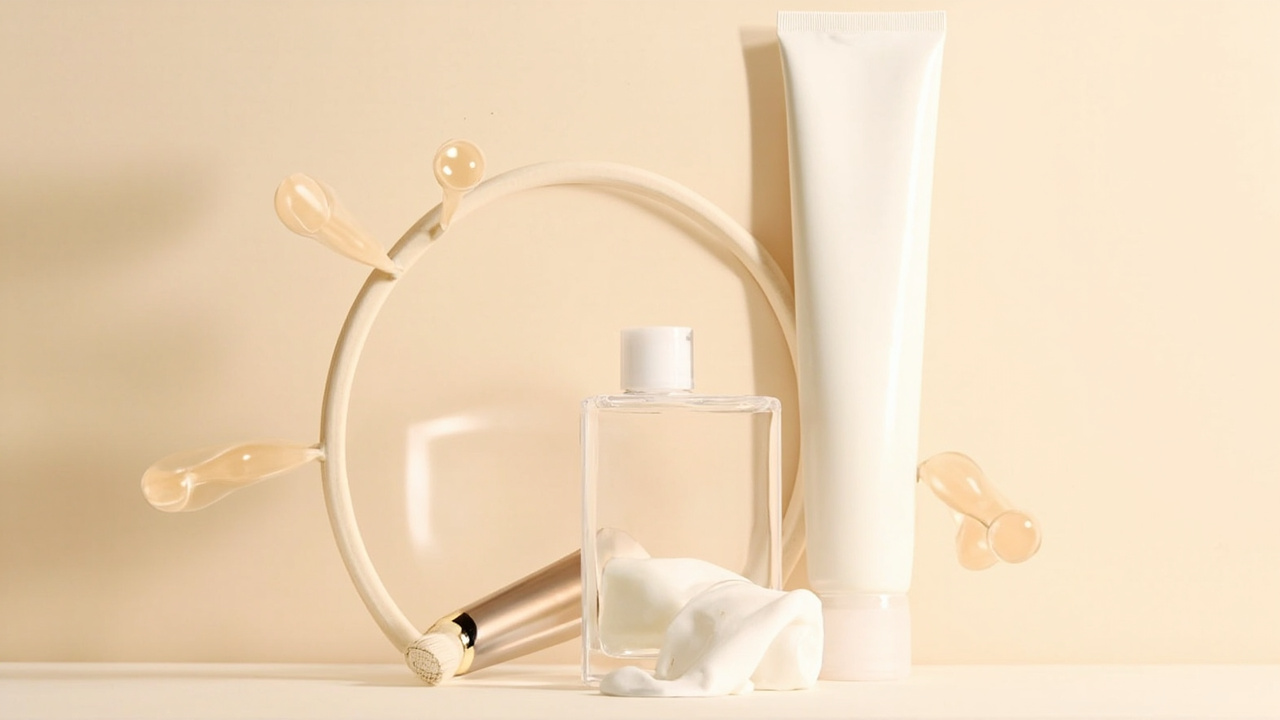
- Apply sunscreen every morning, even on cloudy days or indoors (UVA rays penetrate windows).
- Use a nickel-sized amount for your face and neck.
- Reapply every two hours if outdoors or after swimming/sweating.
Tip 2: Incorporate Retinoids or The Ordinary Retinol 1% in Squalane
!Tip 2: Incorporate Retinoids or The Ordinary Retinol 1% in Squalane
Why it matters: Retinoids (vitamin A derivatives) are gold-standard anti-aging ingredients. They accelerate cell turnover, boost collagen production, and reduce fine lines and hyperpigmentation. Prescription Tretinoin Cream 0.1% (Prescription Required) is most potent, but over-the-counter retinol is effective with less irritation. How to start: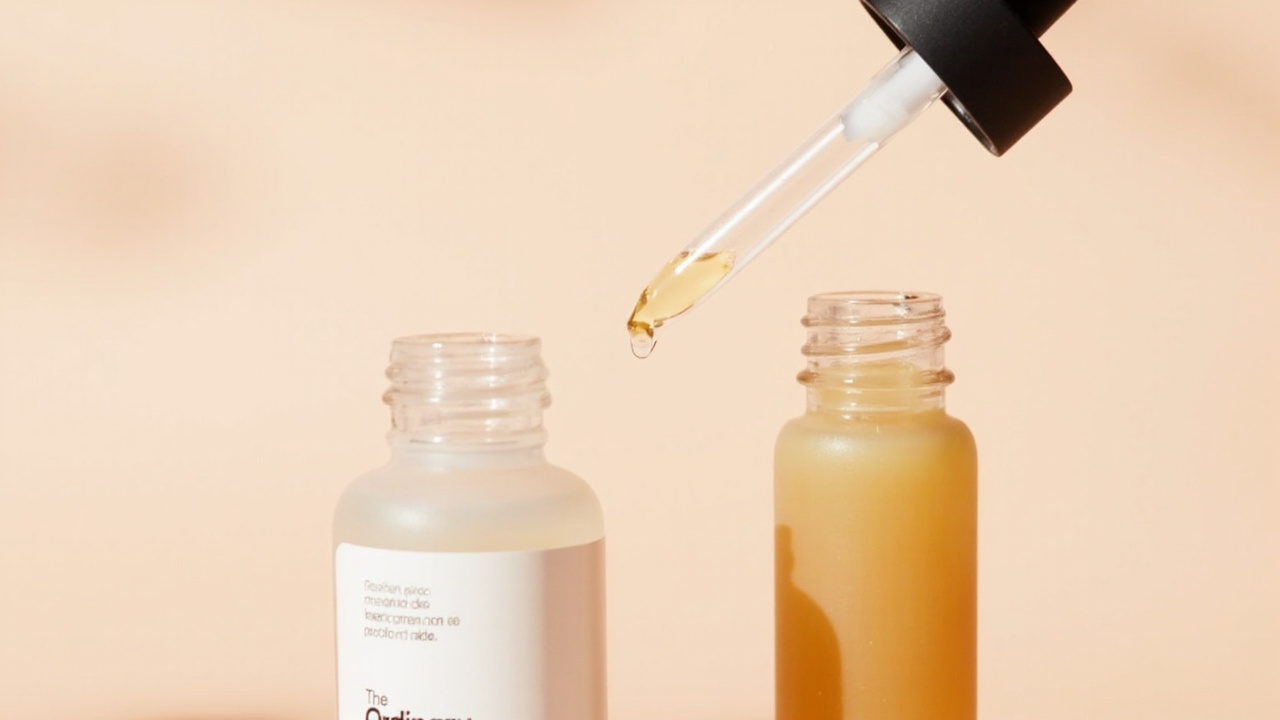
- Begin with a low concentration (0.25%–0.5% retinol) twice a week.
- Apply a pea-sized amount to dry skin at night, after cleansing.
- Gradually increase frequency as your skin tolerates it.
- Always use sunscreen the next day, as retinoids increase sun sensitivity.
Tip 3: Moisturize and Hydrate Effectively
Why it matters: Hydrated skin looks plumper and more radiant, which minimizes the appearance of fine lines. Moisturizers contain three key components:- Humectants (e.g., The Ordinary Hyaluronic Acid 2% + B5, glycerin) draw water into the skin.
- Emollients (e.g., squalane, ceramides) smooth the skin surface.
- Occlusives (e.g., petrolatum, shea butter) lock in moisture.
- Apply moisturizer to damp skin after cleansing for better absorption.
- Choose a formula suited to your skin type: gel-based for oily, cream-based for dry.
- Don't skip moisturizer if you have oily skin – it can actually help balance oil production.
Tip 4: Use Antioxidants – Especially Vitamin C
Why it matters: Antioxidants neutralize free radicals from UV, pollution, and stress, preventing collagen breakdown and hyperpigmentation. Vitamin C (L-ascorbic acid) is the most studied, often combined with vitamin E and ferulic acid for enhanced stability and efficacy. How to do it:- Apply a SkinCeuticals C E Ferulic in the morning after cleansing, before sunscreen.
- Look for concentrations between 10%–20% and a pH below 3.5 for optimal absorption.
- Store in a dark, cool place to prevent oxidation.
Tip 5: Gentle Cleansing – Don't Strip Your Skin
Why it matters: Harsh cleansers disrupt the skin barrier, leading to dryness, irritation, and accelerated aging. A compromised barrier makes skin more vulnerable to environmental damage. How to do it:- Use a sulfate-free, pH-balanced cleanser (pH around 5.5).
- Avoid hot water; wash with lukewarm water.
- Limit cleansing to twice daily (morning and night). If you have dry skin, skip the morning cleanse and just rinse with water.
Tip 6: Exfoliate Wisely – Chemical Over Physical
Why it matters: Exfoliation removes dead skin cells, revealing fresher skin and improving product absorption. However, over-exfoliating can damage the barrier. Chemical exfoliants (preferred):- AHAs (e.g., glycolic acid, lactic acid) – work on the surface, good for texture and brightness.
- BHAs (e.g., Paula's Choice Skin Perfecting 2% BHA Liquid Exfoliant) – penetrate pores, ideal for acne-prone skin.
- PHAs (e.g., gluconolactone) – gentle, suitable for sensitive skin.
- Start with once or twice a week, then adjust based on tolerance.
- Apply after cleansing, leave on for the recommended time, then rinse.
- Do not use on the same night as retinoids to avoid irritation.
Tip 7: Adopt a Healthy Lifestyle
Why it matters: Your skin reflects your overall health. Poor diet, lack of sleep, and chronic stress accelerate aging through inflammation and hormonal imbalances. Key lifestyle factors:- Diet: Eat antioxidant-rich foods (berries, leafy greens, nuts) and omega-3 fatty acids (salmon, flaxseed). Limit sugar and processed foods, which promote glycation (damage to collagen).
- Sleep: Aim for 7–9 hours of quality sleep. During deep sleep, your body repairs skin cells and produces growth hormone.
- Stress management: Chronic stress raises cortisol levels, which can break down collagen. Practice meditation, yoga, or deep breathing.
- Hydration: Drink enough water (about 8 glasses daily) to support skin hydration.
Tip 8: Pay Attention to the Eye Area
Why it matters: The skin around your eyes is thinner and more prone to fine lines, puffiness, and dark circles. It also has fewer oil glands, making it drier. How to care for it:- Use an eye cream with ingredients like caffeine (to reduce puffiness), hyaluronic acid (hydration), and peptides (collagen support).
- Apply with your ring finger using gentle tapping motions to avoid tugging.
- For depuffing, use a chilled jade roller or store your eye cream in the fridge.
- Wear sunglasses to prevent squinting, which causes crow's feet.
Tip 9: Don't Forget Your Neck and Chest
Why it matters: The skin on your neck and chest (décolletage) is also thin and prone to sun damage and aging. Many people neglect this area, leading to a visible disconnect between a youthful face and an aged neck. How to do it:- Extend your skincare routine – including sunscreen, retinoids, and moisturizer – down to your neck and chest.
- Apply products in upward strokes to counteract gravity.
- Consider using a separate neck cream if your face products are too heavy.
Tip 10: Consistency and Patience – The Real Secret
Why it matters: Skincare is a marathon, not a sprint. Most anti-aging ingredients take weeks to months to show visible results. For example, retinoids typically require 3–6 months of consistent use to reduce wrinkles. How to stay on track:- Start with a simple routine and gradually add products.
- Keep a skincare journal to track progress and reactions.
- Don't try too many new products at once – introduce one at a time.
- Remember that maintenance is key; stopping a routine can lead to reversal of benefits.
Key Takeaways
- Sun protection is non-negotiable – wear SPF 30+ daily.
- Retinoids are proven to reduce wrinkles and boost collagen.
- Hydration and antioxidants protect and plump the skin.
- Gentle cleansing and exfoliation maintain a healthy barrier.
- Lifestyle factors (diet, sleep, stress) directly impact skin aging.
- Consistency over intensity – slow and steady wins the race.
Frequently Asked Questions
Q: At what age should I start anti-aging skincare?A: Prevention is best started in your 20s or early 30s. Use sunscreen and a moisturizer from any age, and consider adding retinoids in your mid-20s to early 30s.
Q: Can I use retinol and vitamin C together?A: It's best to use vitamin C in the morning and retinol at night to avoid irritation. If combining, apply vitamin C first, wait 20 minutes, then retinol – but this can be too harsh for some.
Q: How long does it take to see results from retinol?A: Initial improvement in texture may be seen in 4–6 weeks, but significant wrinkle reduction often takes 3–6 months of consistent use.
Q: Is sunscreen necessary if I have dark skin?A: Yes. While darker skin has more natural protection, it still suffers from hyperpigmentation (dark spots) and collagen breakdown from UV. Everyone needs SPF 30+.
Q: Can I skip moisturizer if I have oily skin?A: No. Oily skin still needs hydration. Use a lightweight, oil-free moisturizer to keep the barrier healthy without clogging pores.
Conclusion
You May Also Like
Explore more articles in our Beauty collection:
- How to Heal Dry Skin: A Complete Step-by-Step Guide to Restoring Your Skin’s Natural Barrier
- Alpha Arbutin Benefits for Aging: The Complete Guide
- Best Body Butter for Itchy Scalp: The Ultimate Guide to Relief and Hydration
Effective anti-aging skincare doesn't require a 10-step routine or expensive products. By focusing on sun protection, retinoids, hydration, and a healthy lifestyle, you can significantly slow down visible aging and maintain a radiant complexion. Start with one or two tips that feel manageable, and build from there. Your future self – and your skin – will thank you.
For more skincare insights, check out our guides on [building a skincare routine for beginners] and [understanding retinol strength]. Sources:- American Academy of Dermatology (AAD) – Sunscreen FAQs
- Journal of the American Academy of Dermatology – Retinoid guidelines
Medically Reviewed By
Dr. Sarah Mitchell, MD, FAAD — Board-Certified DermatologistDr. Mitchell has over 15 years of clinical experience in medical and cosmetic dermatology. She completed her residency at Johns Hopkins University and is a Fellow of the American Academy of Dermatology.
This article was medically reviewed on 2026-06-09 for accuracy and completeness.
Medical Disclaimer: This article is for informational purposes only and does not constitute medical advice. Always consult a qualified healthcare provider for diagnosis and treatment of any medical condition. Individual results may vary.Related Tools
Try these free calculators and quizzes to personalize your routine: