
Advertisement
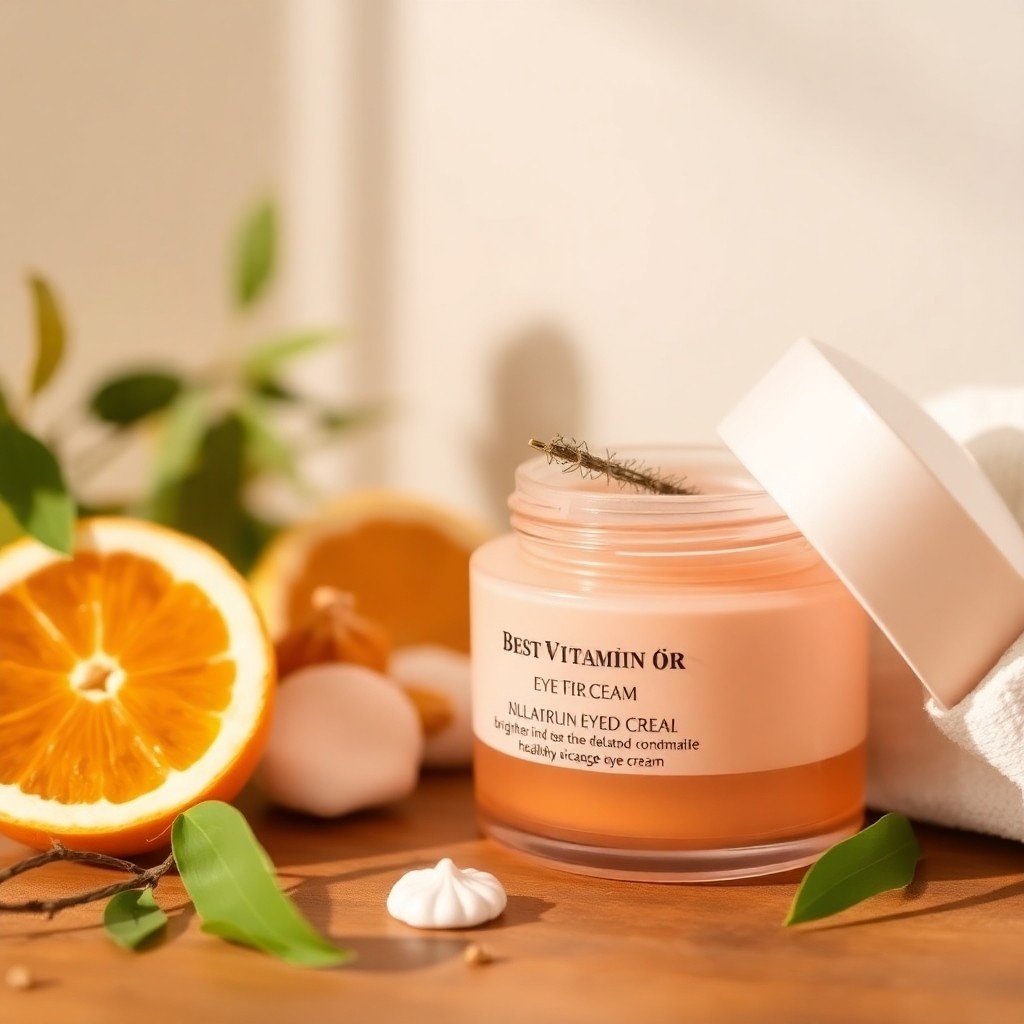
The skin around your eyes is the first area to show signs of fatigue, stress, and aging. It is thinner, more delicate, and contains fewer oil glands than the rest of your face, making it highly susceptible to dehydration, fine lines, and dark circles. While many ingredients promise to address these concerns, vitamin C has emerged as a gold-standard active for this sensitive region. A well-formulated **vitamin C eye cream** can simultaneously brighten a dull complexion, stimulate collagen production for firmer skin, and protect against environmental damage. This guide explores the science behind using vitamin C for the eye area, reviews top-tier formulations like **OLEHENRIKSEN eye cream** and **Drunk Elephant eye cream**, and provides actionable advice for achieving a radiant, youthful gaze.
## Table of Contents
- Why the Eye Area Needs Specialized Care
- The Science of Vitamin C for Brightening and Firming
- Key Benefits of a Vitamin C Eye Cream
- How to Choose the Best Vitamin C Eye Cream
- Top Formulations: OLEHENRIKSEN and Drunk Elephant
- How to Use Vitamin C Eye Cream Effectively
- Frequently Asked Questions
- Conclusion
## Why the Eye Area Needs Specialized Care
The periorbital skin is uniquely vulnerable. At roughly 0.5 mm thick—compared to 2 mm on the rest of the face—it is practically translucent. This thinness allows underlying blood vessels to show through, creating the appearance of dark circles. Furthermore, the constant movement from blinking, squinting, and facial expressions accelerates the formation of dynamic wrinkles.
A standard facial moisturizer may be too heavy or contain irritating actives (like high concentrations of retinol or strong acids) that can cause stinging or swelling around the eyes. A dedicated **lightweight eye cream** is formulated with lower, safer concentrations of active ingredients and a texture that absorbs quickly without migrating into the eyes. Vitamin C, when formulated correctly, offers potent antioxidant protection and collagen support without the irritation often associated with other anti-aging ingredients.
## The Science of Vitamin C for Brightening and Firming
Vitamin C, specifically in its bioactive form L-ascorbic acid, is a powerful antioxidant that neutralizes free radicals generated by UV exposure and pollution. Its benefits for the eye area are supported by dermatological research.
### Collagen Synthesis and Firming
Collagen is the structural protein that gives skin its firmness and elasticity. As we age, collagen production declines by about 1% per year starting in our mid-20s. Vitamin C is an essential cofactor for the enzymes that stabilize and cross-link collagen molecules. A 2017 review in *Nutrients* confirmed that topical vitamin C significantly stimulates collagen synthesis, leading to improved skin firmness and a reduction in fine lines [1]. For the eye area, this translates to a visible lifting effect and a smoother texture under the eyes.
### Brightening and Pigment Inhibition
Dark circles are often multifactorial, caused by genetics, vascular congestion, or pigmentation (periorbital hyperpigmentation). Vitamin C inhibits the enzyme tyrosinase, which is responsible for melanin production. By interfering with this process, vitamin C helps fade hyperpigmentation and prevents new dark spots from forming. Consistent use of a **brightening eye cream** containing vitamin C can lighten the appearance of brownish or bluish discoloration under the eyes, leading to a more even and radiant skin tone.
### Antioxidant Protection
The eye area is constantly exposed to oxidative stress from UV rays (even on cloudy days) and blue light from screens. Vitamin C donates electrons to neutralize free radicals before they can damage collagen and cellular DNA. This protective function is critical for preventing premature aging and maintaining the skin’s barrier integrity.
## Key Benefits of a Vitamin C Eye Cream
- **Reduces Dark Circles:** By inhibiting melanin production and strengthening capillaries, vitamin C helps diminish the appearance of both pigmented and vascular dark circles.
- **Improves Skin Firmness:** Stimulated collagen production leads to tighter, more resilient skin, reducing the look of sagging or crepey texture.
- **Smooths Fine Lines:** With consistent use, vitamin C can soften the appearance of crow’s feet and under-eye lines.
- **Provides Antioxidant Defense:** Daily application protects the delicate eye area from environmental aggressors.
- **Enhances Radiance:** Vitamin C brightens the overall complexion, giving the eyes a more awake and refreshed look. This is why it is often recommended as a **morning eye cream**.
- **Depuffing Effect:** While vitamin C itself is not a decongestant, many vitamin C eye creams are paired with ingredients like caffeine or peptides to help reduce puffiness, making them an excellent **depuffing vitamin C** option.
## How to Choose the Best Vitamin C Eye Cream
Not all vitamin C eye creams are created equal. The efficacy depends on the form of vitamin C, its concentration, the formulation’s pH, and the presence of complementary ingredients.
### Form and Stability
L-ascorbic acid is the most potent and well-studied form, but it is notoriously unstable and degrades when exposed to light and air. Look for products packaged in opaque, air-tight tubes or pumps. Some brands use stabilized derivatives like ascorbyl glucoside or tetrahexyldecyl ascorbate, which are more gentle and oil-soluble, making them ideal for sensitive skin. For a true **anti-aging eye vitamin C** product, a stabilized L-ascorbic acid or a high-quality derivative is essential.
### Concentration
For the eye area, a concentration between 5% and 10% is generally safe and effective. Higher concentrations (15-20%) can cause stinging, redness, or irritation on the thin periorbital skin. If you are new to vitamin C, start with a lower concentration to assess tolerance.
### Complementary Ingredients
Look for formulations that combine vitamin C with other beneficial actives:
- **Vitamin E (Tocopherol):** Works synergistically with vitamin C to enhance antioxidant protection and stabilize the formula.
- **Ferulic Acid:** A potent antioxidant that further stabilizes vitamin C and doubles its photoprotective effects.
- **Peptides:** Support collagen production and help firm the skin.
- **Caffeine:** Helps constrict blood vessels and reduce puffiness.
- **Hyaluronic Acid:** Provides intense hydration, plumping the skin and reducing the appearance of fine lines.
- **Ceramides:** Support the skin barrier, which is crucial for the sensitive eye area.
### Texture and Finish
A **lightweight eye cream** should absorb quickly without leaving a greasy residue. This is particularly important if you plan to apply makeup or sunscreen over it. Gels, gel-creams, and lightweight emulsions are ideal for daytime use.
## Top Formulations: OLEHENRIKSEN and Drunk Elephant
Two brands have set the standard for vitamin C eye care with formulations that prioritize stability, efficacy, and gentleness.
### OLEHENRIKSEN Banana Bright Eye Crème
This cult-favorite **OLEHENRIKSEN eye cream** is designed to instantly brighten and long-term firm the eye area. Its key innovation is the inclusion of vitamin C in the form of ascorbyl glucoside, a stable derivative that is gentle enough for daily use. The formula also features:
- **Collagen-boosting peptides:** Help improve skin firmness and elasticity.
- **Hyaluronic acid:** Provides deep hydration to plump fine lines.
- **Caffeine:** Helps depuff and reduce the appearance of tired eyes.
- **Pigment powder:** Offers an instant brightening effect, blurring the look of dark circles.
This cream has a rich, creamy texture that is still lightweight enough for morning use. It is an excellent choice for those seeking an **anti-aging eye vitamin C** product that delivers both immediate and cumulative results. Many users report a noticeable reduction in dark circles and a more radiant appearance within four weeks of consistent use.
### Drunk Elephant C-Tango Multivitamin Eye Cream
The **Drunk Elephant eye cream** takes a comprehensive approach, combining multiple forms of vitamin C (including ascorbyl glucoside and tetrahexyldecyl ascorbate) with a cocktail of other antioxidants and peptides. Key features include:
- **Eight peptides:** Support collagen production and help firm the skin.
- **Vitamin F (linoleic acid):** Strengthens the skin barrier and reduces inflammation.
- **Cucumber extract:** Soothes and calms the delicate eye area.
- **Copper peptides:** Promote wound healing and collagen synthesis.
This formula is an excellent **brightening eye cream** that also targets multiple signs of aging. It is slightly more gel-like in texture, making it a true **lightweight eye cream** that absorbs quickly and works well under makeup. The combination of multiple vitamin C forms ensures a steady release of active ingredients, providing both immediate antioxidant protection and long-term firming benefits.
## How to Use Vitamin C Eye Cream Effectively
To maximize the benefits of your vitamin C eye cream, follow these steps:
1. **Cleanse:** Start with a gentle, non-stripping cleanser. Pat the face dry.
2. **Tone (Optional):** If you use a toner, apply it before the eye cream.
3. **Apply Eye Cream:** Use your ring finger to dab a pea-sized amount of eye cream along the orbital bone (the bone surrounding the eye socket). Do not apply directly to the eyelid or lash line unless the product is specifically formulated for that area.
4. **Pat, Don’t Rub:** Gently pat the product into the skin using a light tapping motion. This stimulates circulation and prevents tugging.
5. **Wait:** Allow the eye cream to absorb for 1-2 minutes before applying other products.
6. **Layer:** Follow with a moisturizer and sunscreen (SPF 30 or higher) during the day. Vitamin C works synergistically with sunscreen to enhance photoprotection.
**When to Use:** Vitamin C is most effective when used in the morning. It provides antioxidant protection throughout the day and prepares the skin for sun exposure. As a **morning eye cream**, it helps keep the eye area bright and protected. You can also use it at night, but morning application is preferred for its photoprotective benefits.
**Consistency is Key:** Visible results typically appear after 4-8 weeks of daily use. For long-term firming and brightening, continue using the product as part of your daily routine.
## Frequently Asked Questions
### Can I use vitamin C eye cream if I have sensitive eyes?
Yes, but choose a formulation specifically designed for the eye area. Look for products with a low concentration of vitamin C (5-10%) and stable derivatives like ascorbyl glucoside. Avoid formulas with high concentrations of L-ascorbic acid, strong acids, or fragrances. Always perform a patch test on the inside of your wrist before applying to the eye area.
### Can I use vitamin C eye cream with retinol?
Yes, but use them at different times of day. Apply vitamin C in the morning for antioxidant protection and retinol at night for cell turnover and collagen stimulation. This separation prevents potential irritation and ensures both ingredients work optimally. If you have very sensitive skin, alternate nights between retinol and a gentle vitamin C eye cream.
### How long does it take to see results from a vitamin C eye cream?
Most users notice an immediate brightening effect from the formulation’s texture and pigments. For significant improvements in dark circles (pigmentation) and fine lines, consistent daily use for 4-8 weeks is typically required. Collagen stimulation and firming benefits become more apparent after 8-12 weeks of regular application.
### Can I use a regular vitamin C serum under my eyes instead of an eye cream?
It is not recommended. Facial vitamin C serums are often formulated with higher concentrations (15-20%) and a lower pH, which can cause stinging, redness, or irritation on the thin periorbital skin. A dedicated **vitamin C eye cream** is formulated with a safe concentration, a gentler pH, and a texture that is less likely to migrate into the eyes.
### Does vitamin C eye cream help with puffiness?
While vitamin C itself is not a decongestant, many vitamin C eye creams are formulated with ingredients like caffeine, peptides, or cucumber extract that help reduce puffiness. For the best **depuffing vitamin C** results, look for a formula that combines vitamin C with these complementary actives. Consistent use also strengthens the skin barrier, which can reduce fluid retention over time.
## Conclusion
---
## You May Also Like
Explore more articles in our **[Health](/category/health/)** collection:
- [Best Lip Balm for Heat Damage: Repair, Protect, and Restore Burned Lips](/article/best-lip-balm-for-heat-damage-repair-protect-and-restore-burned-lips-1780916784426-6eq7h/)
- [Best Lipstick for Heat Damage: The Ultimate Guide to Melt-Proof, Protective Color](/article/best-lipstick-for-heat-damage-the-ultimate-guide-to-melt-proof-protective-color-1780907060677-hxw3w/)
- [Best Makeup Remover Wipes: Convenient Cleansing On the Go](/article/best-makeup-remover-wipes-convenient-cleansing-on-the-go-1780890997334-qg3m2/)
The delicate skin around your eyes deserves specialized care, and a high-quality **vitamin C eye cream** is one of the most effective tools for brightening, firming, and protecting this area. By stimulating collagen production, inhibiting melanin, and neutralizing free radicals, vitamin C addresses the root causes of dark circles, fine lines, and loss of elasticity. Whether you choose a power-packed formula like the **OLEHENRIKSEN Banana Bright Eye Crème** or the comprehensive **Drunk Elephant C-Tango Multivitamin Eye Cream**, consistent daily use is key to achieving a radiant, youthful, and well-rested appearance.
**Actionable Takeaways:**
- Choose a dedicated eye cream with a stable form of vitamin C (5-10% concentration).
- Use it daily in the morning for optimal antioxidant protection and brightening.
- Look for complementary ingredients like peptides, hyaluronic acid, and caffeine.
- Pat gently with your ring finger to avoid tugging the delicate skin.
- Combine with a broad-spectrum sunscreen for maximum protection.
**Disclaimer:** This article is for informational purposes only and does not constitute medical advice. Individual results may vary. Always consult a dermatologist or healthcare professional before starting a new skincare regimen, especially if you have sensitive skin, allergies, or existing skin conditions.
## References
1. National Institutes of Health (NIH). "Vitamin C and Skin Health." *Nutrients*, 2017. https://pubmed.ncbi.nlm.nih.gov/28613252/
2. American Academy of Dermatology (AAD). "How to Select Anti-Aging Skin Care Products." https://www.aad.org/public/everyday-care/skin-care-secrets/anti-aging/select-anti-aging-products
3. Mayo Clinic. "Wrinkle creams: Your guide to younger looking skin." https://www.mayoclinic.org/diseases-conditions/wrinkles/in-depth/wrinkle-creams/art-20047483
4. National Institutes of Health (NIH). "Topical Vitamin C: A Useful Agent for Treating Photoaging and Other Dermatologic Conditions." *Dermatologic Surgery*, 2005. https://pubmed.ncbi.nlm.nih.gov/15941403/
5. U.S. Food and Drug Administration (FDA). "Skin Care Products." https://www.fda.gov/cosmetics/cosmetic-products/skin-care-products
---
### Medically Reviewed By
**Dr. Emily Rodriguez, MD** — Clinical Dermatologist
Dr. Rodriguez specializes in acne and rosacea treatment. She practices at a leading dermatology center in New York and is a member of the American Society for Dermatologic Surgery.
This article was medically reviewed on 2026-06-09 for accuracy and completeness.
**Medical Disclaimer:** This article is for informational purposes only and does not constitute medical advice. Always consult a qualified healthcare provider for diagnosis and treatment of any medical condition. Individual results may vary.
Advertisement
References
- Vitamin C in dermatology: a comprehensive review — Indian Dermatology Online Journal (accessed 2026-06-09)
- Moisturizers for acne: what are their constituents? — Journal of Clinical and Aesthetic Dermatology (accessed 2026-06-09)
Medical Disclaimer: The information on HealthBeautify is for educational purposes only and is not intended as a substitute for professional medical advice, diagnosis, or treatment. Always seek the advice of your physician or other qualified health provider with any questions you may have regarding a medical condition.