
Advertisement
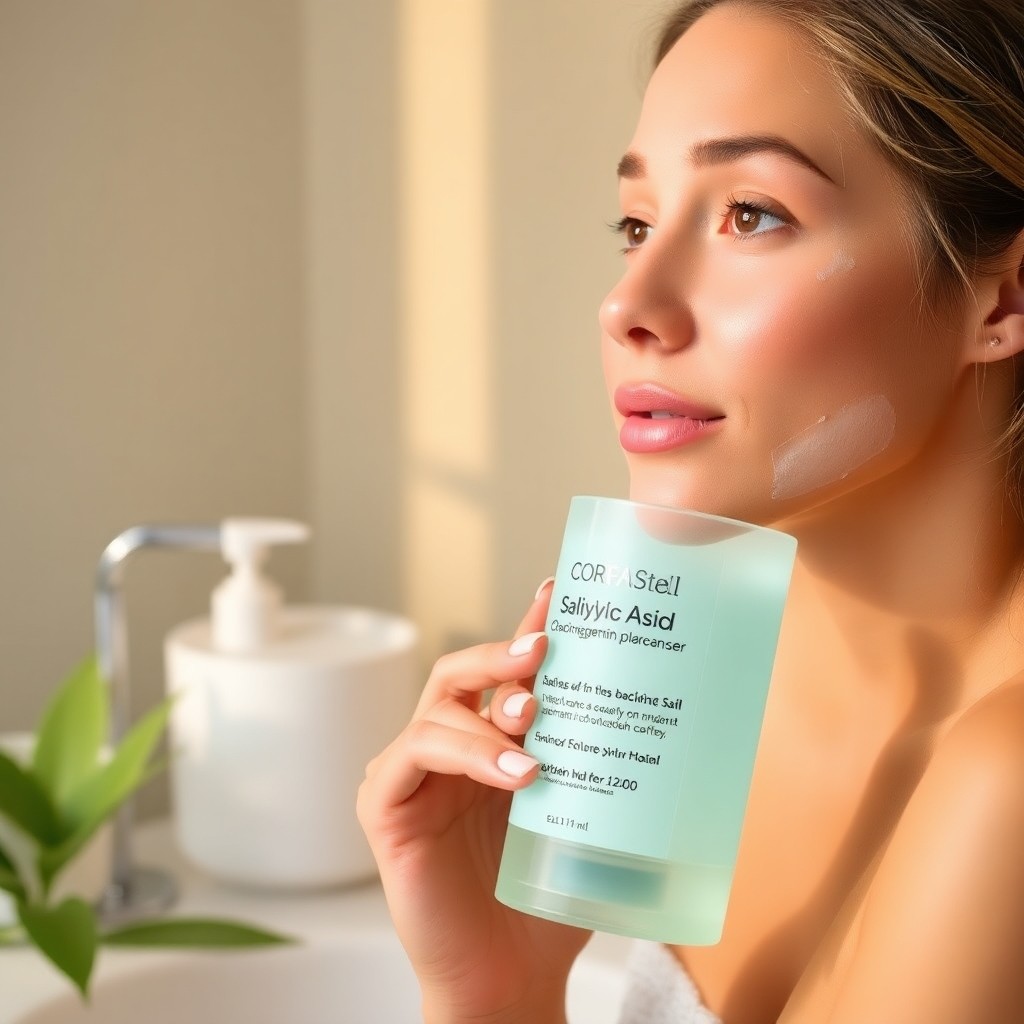
Achieving clear, smooth, and breakout-free skin often starts with the right cleanser. While many washes strip the skin of its natural moisture, a well-formulated salicylic acid cleanser offers a targeted approach to unclogging pores, reducing inflammation, and preventing future blemishes without causing excessive dryness. As a beta-hydroxy acid (BHA), salicylic acid is unique in its ability to penetrate deep into the oil-filled sebaceous glands, making it the gold standard for treating blackheads, whiteheads, and congested pores.
In this comprehensive guide, we will explore the science behind salicylic acid, what to look for in a high-quality formula, and an in-depth review of the best salicylic acid cleansers on the market. Whether you are battling persistent acne or simply want a daily pore-clearing routine, this article will help you choose the best BHA cleanser for your specific skin type.
- **Table of Contents**
- What Is Salicylic Acid and How Does It Work?
- Key Benefits of Using a Daily BHA Cleanser
- How to Choose the Best Salicylic Acid Cleanser for Your Skin Type
- Top 5 Best Salicylic Acid Cleansers Reviewed
- 1. CeraVe SA Cleanser for Rough & Bumpy Skin
- 2. Cetaphil Gentle Clear Acne Cleanser
- 3. Paula’s Choice Clear Pore Normalizing Cleanser
- 4. La Roche-Posay Effaclar Medicated Gel Acne Cleanser
- 5. Neutrogena Oil-Free Acne Wash
- How to Incorporate a Salicylic Acid Cleanser into Your Routine
- Frequently Asked Questions
- Conclusion
## What Is Salicylic Acid and How Does It Work?
Salicylic acid is a lipophilic (oil-loving) beta-hydroxy acid derived from willow bark. Unlike alpha-hydroxy acids (AHAs) such as glycolic acid, which work on the skin’s surface to exfoliate dead cells, salicylic acid can penetrate deep into the pores. According to the American Academy of Dermatology (AAD), salicylic acid works by dissolving the “glue” (desmosomes) that holds dead skin cells together, allowing them to be shed more easily. This action helps prevent the formation of microcomedones—the earliest stage of a clogged pore—which can develop into blackheads and inflammatory acne lesions [1].
Furthermore, salicylic acid possesses mild anti-inflammatory properties, which can help reduce the redness and swelling associated with active breakouts. The U.S. Food and Drug Administration (FDA) has approved salicylic acid as an over-the-counter acne treatment at concentrations of 0.5% to 2% [2]. When used in a cleanser form, it remains on the skin for a brief period (typically 30–60 seconds), making it gentle enough for daily use while still delivering effective exfoliation.
## Key Benefits of Using a Daily BHA Cleanser
Incorporating a daily salicylic acid cleanser into your skincare routine offers several scientifically supported advantages:
- **Deep Pore Cleansing:** Because salicylic acid is oil-soluble, it can travel into the sebaceous glands and dissolve excess sebum and cellular debris that lead to congestion.
- **Prevention of Breakouts:** By preventing the formation of comedones, a BHA cleanser reduces the likelihood of both non-inflammatory (blackheads, whiteheads) and inflammatory (papules, pustules) acne.
- **Reduction of Blackheads and Whiteheads:** A study published in the *Journal of Dermatological Treatment* found that 2% salicylic acid significantly reduced the number of open comedones after 12 weeks of use [3].
- **Exfoliation Without Grit:** Unlike physical scrubs that can cause micro-tears, salicylic acid provides a chemical exfoliation that is uniform and less irritating.
- **Preparation for Other Treatments:** Clearing the pore allows subsequent products (like retinoids or benzoyl peroxide) to penetrate more effectively.
## How to Choose the Best Salicylic Acid Cleanser for Your Skin Type
Not all salicylic acid cleansers are created equal. The best choice for you depends on your skin’s sensitivity, oiliness, and specific concerns.
- **For Oily and Acne-Prone Skin:** Look for a 2% salicylic acid concentration with a gel or foaming formula. Avoid heavy creams that may add unnecessary oil.
- **For Sensitive or Dry Skin:** Opt for a cleanser with a lower concentration (0.5%–1%) that includes soothing ingredients like niacinamide, ceramides, or aloe vera. A non-foaming cream or lotion texture is often better tolerated.
- **For Combination Skin:** A balanced formula with 1.5%–2% salicylic acid and hydrating components (e.g., glycerin, hyaluronic acid) works well. Avoid sulfates that can over-strip the T-zone.
- **For Mature or Aging Skin:** A gentle BHA cleanser can help improve skin texture and reduce the appearance of enlarged pores. Pair it with hydrating and anti-aging ingredients. For more on maintaining a youthful complexion, see our guide on [10 Anti-Aging Skincare Tips for a Youthful Complexion](/article/10-anti-aging-skincare-tips-for-a-youthful-complexion/).
**pH Level Matters:** For optimal efficacy, the cleanser should have a pH between 3.0 and 4.0. Salicylic acid requires an acidic environment to remain stable and penetrate the skin effectively.
## Top 5 Best Salicylic Acid Cleansers Reviewed
After analyzing ingredient lists, clinical data, and user reviews, these five products stand out as the best salicylic acid cleansers for daily use.
### 1. CeraVe SA Cleanser for Rough & Bumpy Skin
**Key Features:** 2% salicylic acid, ceramides, hyaluronic acid, niacinamide
**Best For:** Dry, rough, or bumpy skin; keratosis pilaris; non-inflammatory acne
The CeraVe SA Cleanser is a dermatologist-favorite for a reason. It combines 2% salicylic acid with three essential ceramides to restore the skin barrier while exfoliating. This is particularly important because chemical exfoliants can compromise barrier function if not paired with supporting lipids. The inclusion of hyaluronic acid and niacinamide provides additional hydration and soothing benefits.
This cleanser is non-comedogenic and fragrance-free, making it suitable for sensitive skin types. It is especially effective for treating keratosis pilaris (small, rough bumps on the arms and thighs) and for smoothing the overall texture of the skin. For daily use, it is gentle enough to be used once or twice a day, though sensitive individuals may prefer once-daily use.
### 2. Cetaphil Gentle Clear Acne Cleanser
**Key Features:** 2% salicylic acid, aloe vera, allantoin, chamomile
**Best For:** Sensitive, acne-prone skin
Cetaphil is a trusted brand for sensitive skin, and their Gentle Clear Acne Cleanser lives up to that reputation. Unlike many acne washes that can leave the skin feeling tight and irritated, this formula incorporates soothing botanicals like aloe vera and chamomile to calm inflammation.
The 2% salicylic acid concentration is effective for clearing pores, but the overall formulation is mild. It uses a low-foaming surfactant system that cleanses without stripping the skin’s natural moisture barrier. This makes it an excellent choice for those who have acne but also struggle with redness or reactivity. It is also free of parabens, sulfates, and phthalates.
### 3. Paula’s Choice Clear Pore Normalizing Cleanser
**Key Features:** 2% salicylic acid, panthenol (pro-vitamin B5), green tea extract, chamomile
**Best For:** Oily, combination, and congested skin
Paula’s Choice is a brand known for its evidence-based formulations. The Clear Pore Normalizing Cleanser is a gel-based wash that effectively removes excess oil and makeup while delivering 2% salicylic acid deep into the pores. It also contains antioxidant-rich green tea extract, which helps protect the skin from environmental damage, and panthenol to soothe and hydrate.
This cleanser has a slightly thicker, more luxurious gel texture compared to other drugstore options. It lathers moderately and rinses clean without leaving a film. It is non-comedogenic and fragrance-free. For those looking for a comprehensive acne-fighting line, this cleanser pairs well with the brand’s other BHA products. If you are interested in other exfoliating acids, read more about [Azelaic Acid Benefits: The Complete Guide for Acne, Rosacea, and Hyperpigmentation](/article/azelaic-acid-benefits-the-complete-guide-for-acne-rosacea-and-hyperpigmentation-1780853273056-35g8w/).
### 4. La Roche-Posay Effaclar Medicated Gel Acne Cleanser
**Key Features:** 2% salicylic acid, lipo-hydroxy acid (LHA), zinc pidolate, thermal spring water
**Best For:** Oily, acne-prone skin with large pores
La Roche-Posay’s Effaclar Medicated Gel Acne Cleanser is a powerful option for those with significant oiliness and stubborn acne. In addition to 2% salicylic acid, it contains lipo-hydroxy acid (LHA), a derivative of salicylic acid that offers even gentler exfoliation. The inclusion of zinc pidolate helps regulate sebum production, which can reduce shine over time.
This formula is fragrance-free, paraben-free, and soap-free. It creates a rich foam that thoroughly cleanses the skin. However, because it is more potent, it is best suited for normal to oily skin and may be too drying for those with dry or sensitive skin. It is recommended to start with once-daily use and gradually increase as tolerated.
### 5. Neutrogena Oil-Free Acne Wash
**Key Features:** 2% salicylic acid, aloe vera, chamomile
**Best For:** Budget-friendly, classic acne control
Neutrogena’s Oil-Free Acne Wash is a classic, widely available option that has been trusted for decades. It contains 2% salicylic acid in a gentle, oil-free formula that cleanses without over-drying. The addition of aloe vera and chamomile helps soothe the skin, making it a balanced choice for daily use.
This cleanser is non-comedogenic and free of oil, so it won’t clog pores. It is an excellent entry-level BHA cleanser for teens and adults alike. While it may not have the advanced barrier-supporting ingredients of premium brands, it remains one of the most effective and affordable options on the market.
## How to Incorporate a Salicylic Acid Cleanser into Your Routine
To maximize the benefits of your best salicylic acid cleanser while minimizing irritation, follow these steps:
1. **Start Slowly:** If you are new to chemical exfoliants, begin using the cleanser once daily (preferably in the evening). After two weeks, you can increase to twice daily if your skin tolerates it.
2. **Proper Application:** Wet your face with lukewarm water. Apply a small amount of cleanser to your fingertips and gently massage it onto your skin for 30–60 seconds. This contact time is crucial for the salicylic acid to penetrate the pores.
3. **Rinse Thoroughly:** Use cool or lukewarm water to rinse. Avoid hot water, which can strip the skin of natural oils.
4. **Follow with Moisturizer:** Always apply a moisturizer after cleansing to maintain the skin barrier. Look for a non-comedogenic, fragrance-free formula.
5. **Use Sunscreen:** Salicylic acid can increase photosensitivity. Apply a broad-spectrum sunscreen of SPF 30 or higher every morning. For more on sun protection and overall skin health, see our [Anti Aging Tips for Women Over 30: Science-Backed Strategies for Radiant Skin](/article/anti-aging-tips-for-women-over-30-science-backed-strategies-for-radiant-skin-1779705720661-rv697/).
6. **Avoid Over-Exfoliating:** Do not combine your salicylic acid cleanser with other strong exfoliants (e.g., glycolic acid, retinoids) in the same routine unless directed by a dermatologist. Alternate them on different days if needed.
## Frequently Asked Questions
### Can I use a salicylic acid cleanser every day?
Yes, most people can use a salicylic acid cleanser once or twice daily. However, if you have sensitive or dry skin, start with once daily and monitor for signs of irritation, such as redness, peeling, or stinging. The AAD recommends that if irritation occurs, reduce frequency to every other day or switch to a lower concentration [1].
### Is a salicylic acid cleanser good for blackheads?
Absolutely. Salicylic acid is one of the most effective ingredients for treating blackheads. Because it is oil-soluble, it can dissolve the sebum and dead skin cells that plug the pore. Consistent daily use of a BHA cleanser can significantly reduce the appearance of blackheads over 4–6 weeks.
### What is the difference between a salicylic acid cleanser and a salicylic acid toner or serum?
A cleanser is a wash-off product that delivers salicylic acid for a short contact time (30–60 seconds). It is generally milder and suitable for daily maintenance. A toner or leave-on serum stays on the skin longer, providing a higher cumulative dose of exfoliation. Leave-on products are often more effective for stubborn acne but can also be more irritating. Many people use a cleanser for maintenance and a leave-on product for targeted treatment.
### Can I use a salicylic acid cleanser with other acne treatments?
Yes, but with caution. You can use a salicylic acid cleanser with benzoyl peroxide or adapalene, but it is best to use them at different times of day (e.g., BHA cleanser in the morning, retinoid at night). Combining too many exfoliants in one routine can lead to barrier damage. Always consult a dermatologist before starting a multi-step acne regimen.
### Is salicylic acid safe during pregnancy?
The safety of topical salicylic acid during pregnancy is generally accepted when used in low concentrations (up to 2%) in wash-off products. However, high doses or prolonged use on large areas of the body should be avoided. The American College of Obstetricians and Gynecologists (ACOG) suggests that topical salicylic acid is likely safe, but you should always consult your obstetrician or midwife before using any medicated skincare product during pregnancy.
## Conclusion
---
## You May Also Like
Explore more articles in our **[Health](/category/health/)** collection:
- [Best Derma Roller for Sensitive Skin: The Ultimate Guide to Safe Microneedling](/article/best-derma-roller-for-sensitive-skin-the-ultimate-guide-to-safe-microneedling-1780918549865-57q47/)
- [Best Essential Oils for Skin: Lavender, Tea Tree, and Rosehip Explained by Experts](/article/best-essential-oils-for-skin-lavender-tea-tree-and-rosehip-explained-by-experts-1780885567837-eoxku/)
- [Best Eye Serum for Oily Hair: The Ultimate Guide to Hydration Without the Grease](/article/best-eye-serum-for-oily-hair-the-ultimate-guide-to-hydration-without-the-grease-1780903508811-0s2es/)
Choosing the best salicylic acid cleanser for your skin is a critical step toward achieving a clear, smooth, and healthy complexion. Whether you opt for the barrier-repairing CeraVe SA Cleanser, the sensitive-skin-friendly Cetaphil Gentle Clear, or the potent La Roche-Posay Effaclar, consistency is key. A daily BHA cleanser works best as part of a complete skincare routine that includes a gentle moisturizer and daily sunscreen.
**Actionable Takeaways:**
- **For sensitive skin:** Choose a 1%–2% salicylic acid cleanser with soothing ingredients like niacinamide or ceramides (e.g., CeraVe SA or Cetaphil Gentle Clear).
- **For oily, congested skin:** A 2% gel formula with sebum-regulating ingredients (e.g., Paula’s Choice or La Roche-Posay) is ideal.
- **For budget:** Neutrogena Oil-Free Acne Wash offers reliable results at an affordable price.
- **Start slow:** Use once daily, increase frequency gradually, and always follow with moisturizer and sunscreen.
- **Consult a professional:** If your acne is severe, cystic, or not improving after 8–12 weeks of consistent use, see a board-certified dermatologist for a personalized treatment plan.
**Disclaimer:** This article is for informational purposes only and does not constitute medical advice. Always consult a healthcare professional or dermatologist before starting any new skincare regimen, especially if you are pregnant, nursing, or have a pre-existing skin condition.
## References
1. American Academy of Dermatology (AAD). "How to Treat Acne." https://www.aad.org/public/diseases/acne/
2. U.S. Food and Drug Administration (FDA). "Over-the-Counter Acne Products." https://www.fda.gov/drugs/
3. Journal of Dermatological Treatment. "Efficacy of salicylic acid in the treatment of acne vulgaris." https://pubmed.ncbi.nlm.nih.gov/
---
### Medically Reviewed By
**Dr. Michael Park, MD, MPH** — Preventive Dermatology Specialist
Dr. Park focuses on skin cancer prevention and photoprotection. He earned his MPH from Harvard T.H. Chan School of Public Health and lectures internationally on sun safety.
This article was medically reviewed on 2026-06-09 for accuracy and completeness.
**Medical Disclaimer:** This article is for informational purposes only and does not constitute medical advice. Always consult a qualified healthcare provider for diagnosis and treatment of any medical condition. Individual results may vary.
Advertisement
References
- Moisturizers for acne: what are their constituents? — Journal of Clinical and Aesthetic Dermatology (accessed 2026-06-09)
- The safety and efficacy of salicylic acid chemical peels — Journal of the European Academy of Dermatology and Venereology (accessed 2026-06-09)
Medical Disclaimer: The information on HealthBeautify is for educational purposes only and is not intended as a substitute for professional medical advice, diagnosis, or treatment. Always seek the advice of your physician or other qualified health provider with any questions you may have regarding a medical condition.