
Advertisement
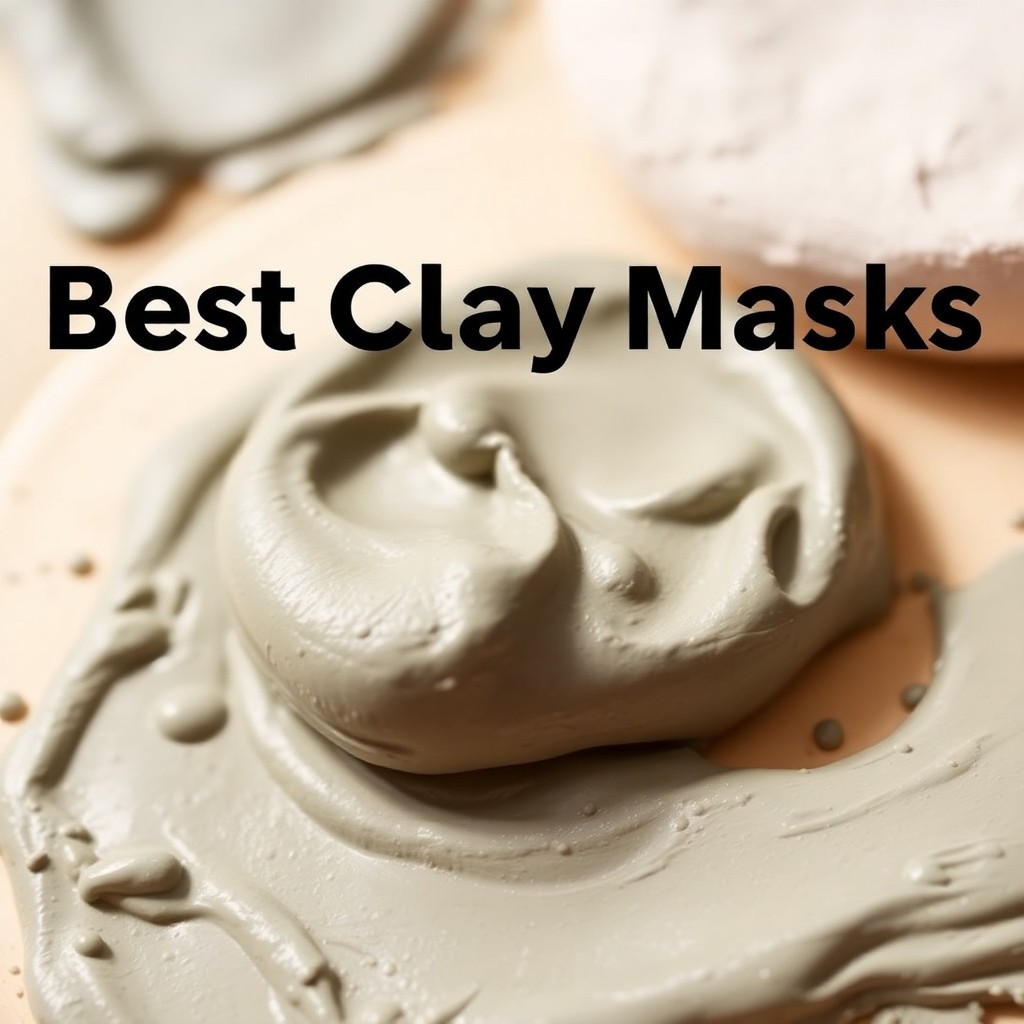
Finding the right product for oily, acne-prone, or congested skin often feels like a high-stakes chemistry experiment. You need something powerful enough to cut through sebum and debris without stripping your skin barrier. Enter the **best clay mask**—a time-tested, mineral-rich treatment that works by adsorbing excess oil, drawing out impurities, and refining pores. But with so many clays on the market—bentonite, kaolin, French green, Aztec, and even sulfur-infused options—how do you choose the right one for your specific skin concerns?
This guide breaks down the science behind clay masks, compares the top purifying picks, and explains how to use them effectively without irritation. Whether you are battling hormonal breakouts or persistent congestion, you will find a targeted solution here. We will also explore how these masks complement other aspects of your routine, such as [Azelaic Acid Benefits: The Complete Guide for Acne, Rosacea, and Hyperpigmentation](/article/azelaic-acid-benefits-the-complete-guide-for-acne-rosacea-and-hyperpigmentation-1780853273056-35g8w/).
## Table of Contents
- How Clay Masks Work: The Science of Adsorption
- Key Ingredients to Look For
- Top Clay Types for Oily and Acne-Prone Skin
- Bentonite Clay Mask: The Heavy Lifter
- Kaolin Clay Mask: Gentle Yet Effective
- French Green Clay: Mineral-Rich Detox
- Sulfur Clay Mask: Acne-Fighting Power
- How to Choose the Best Clay Mask for Your Skin Type
- How to Apply a Clay Mask Correctly (Without Over-Drying)
- Frequently Asked Questions
- Conclusion
## How Clay Masks Work: The Science of Adsorption
To understand why clay masks are so effective for oily and acne-prone skin, you need to grasp the concept of **adsorption**. Unlike absorption (where a substance is soaked into a material like a sponge), adsorption is a surface-level electrostatic process. Clay particles carry a negative ionic charge. When mixed with water or a liquid, they attract positively charged molecules—such as excess sebum, dirt, bacteria, and environmental toxins—and bind to them [1]. As the mask dries and is rinsed away, it carries these impurities with it.
This mechanism makes clay masks particularly effective at reducing surface oil, unclogging pores, and preventing the formation of comedones (blackheads and whiteheads). A 2014 study published in the *International Journal of Dermatology* found that a bentonite clay mask significantly reduced acne lesions over a 12-week period, likely due to its ability to adsorb *Propionibacterium acnes* bacteria and inflammatory byproducts [2].
However, not all clays are created equal. Their particle size, mineral composition, and pH after mixing determine how "drawing" or "gentle" they are. For example, a **bentonite clay mask** has a very fine particle size and high negative charge, making it one of the most potent options. In contrast, **kaolin clay** has larger, flatter particles and a lower adsorption capacity, making it suitable for sensitive or dry skin types.
## Key Ingredients to Look For
When shopping for the best clay mask for acne and congestion, look beyond just the clay base. A well-formulated mask will include complementary ingredients that enhance efficacy while mitigating irritation.
- **Sulfur:** A keratolytic agent that helps dissolve dead skin cells and reduce *P. acnes* bacteria. Sulfur is often combined with clay in masks targeting inflammatory acne (pustules and papules) [3].
- **Salicylic Acid (BHA):** A beta-hydroxy acid that is oil-soluble, allowing it to penetrate deep into pores to exfoliate from within. When paired with clay, it helps break down the "glue" holding dead cells and sebum together.
- **Niacinamide:** A form of vitamin B3 that helps regulate sebum production, reduce redness, and strengthen the skin barrier. It can counteract the potential drying effects of strong clays.
- **Aloe Vera and Glycerin:** Humectants that provide hydration during the drying process, preventing the mask from becoming too tight or uncomfortable.
- **Charcoal:** Often confused with clay, charcoal is a different adsorbent. It is excellent for trapping larger particles and toxins, but it can be more drying than clay alone.
## Top Clay Types for Oily and Acne-Prone Skin
### Bentonite Clay Mask: The Heavy Lifter
Bentonite clay, derived from volcanic ash, is arguably the most famous purifying clay. Its name comes from Fort Benton, Wyoming, where large deposits are found. When mixed with water (or apple cider vinegar for a lower pH), bentonite forms a powerful, electrically charged gel.
- **Best for:** Moderate to severe oily skin, deep congestion, and inflammatory acne.
- **Key benefit:** High adsorption capacity for oil and bacteria.
- **Potential downside:** Can be very drying and uncomfortable if left on too long (more than 10-15 minutes). It is not ideal for dehydrated or sensitive skin.
- **Popular product example:** **Aztec Secret – Indian Healing Clay** (100% calcium bentonite). This is a raw powder you mix yourself. While potent, it is also a common source of irritation if not diluted properly.
### Kaolin Clay Mask: Gentle Yet Effective
Kaolin, also known as China clay, is a naturally occurring soft clay mineral. It is the gentlest of the major clays and comes in several colors (white, pink, red, yellow) depending on its mineral content. White kaolin is the mildest, while red kaolin contains more iron oxide and is slightly more absorbent.
- **Best for:** Sensitive, combination, or mildly oily skin. It is also excellent for those new to clay masks.
- **Key benefit:** Gentle exfoliation and oil absorption without stripping.
- **Potential downside:** May not be strong enough for severely oily or acneic skin.
- **Popular product example:** **Innisfree Clay Mask** (Super Volcanic Pore Clay Mask). This Korean beauty staple uses a blend of kaolin and volcanic ash clusters, making it less drying than pure bentonite while still effectively clearing pores.
### French Green Clay: Mineral-Rich Detox
French green clay, or *illite*, gets its characteristic green color from decomposed plant matter and iron oxides. It is known for its high mineral content (including magnesium, calcium, potassium, and silica) and its strong absorbent properties.
- **Best for:** Oily skin with blackheads and whiteheads, especially when you want a "detox" effect.
- **Key benefit:** Excellent at drawing out excess oil and stimulating circulation.
- **Potential downside:** Can be more drying than kaolin but generally less intense than bentonite. It may feel tightening during wear.
- **Popular product example:** Many French pharmacy brands offer green clay powders or pre-mixed masks.
### Sulfur Clay Mask: Acne-Fighting Power
Sulfur is a proven anti-acne ingredient that has been used for decades. When combined with a clay base, it creates a potent spot treatment or full-face mask for active breakouts. Sulfur works by drying out the surface of the skin and helping to remove dead skin cells that clog pores.
- **Best for:** Inflamed, pustular acne and cystic breakouts.
- **Key benefit:** Directly targets acne-causing bacteria and reduces inflammation.
- **Potential downside:** Has a distinct "rotten egg" smell and can be very drying. Not recommended for daily use.
- **Popular product example:** **Peter Thomas Roth Therapeutic Sulfur Mask** (contains 10% sulfur and kaolin).
## How to Choose the Best Clay Mask for Your Skin Type
Selecting the right mask is not just about picking the most popular option. It requires matching the clay's strength to your skin's tolerance.
- **Oily, Non-Sensitive Skin:** A **bentonite clay mask** or **French green clay** used once a week will provide the deepest cleanse. You can also use a sulfur clay mask as a spot treatment on active pimples.
- **Acne-Prone, Sensitive Skin:** Stick with a **kaolin clay mask** (white or pink) or a pre-formulated mask with soothing ingredients like aloe or niacinamide. Avoid high-concentration bentonite or sulfur.
- **Combination Skin:** Look for a mask that combines kaolin with a smaller amount of bentonite. The **Innisfree clay mask** is a great example—it targets oily zones without over-drying the cheeks.
- **Congested Skin (Blackheads/Whiteheads):** A mask containing **salicylic acid** or **charcoal** in addition to kaolin or bentonite will help break down the hardened sebum inside pores.
For a complete anti-acne strategy, consider how your mask fits with other treatments. For instance, using a clay mask once a week can help keep pores clear, which may improve the efficacy of topical retinoids or [Azelaic Acid Benefits: The Complete Guide for Acne, Rosacea, and Hyperpigmentation](/article/azelaic-acid-benefits-the-complete-guide-for-acne-rosacea-and-hyperpigmentation-1780853273056-35g8w/).
## How to Apply a Clay Mask Correctly (Without Over-Drying)
Even the best clay mask can cause irritation if applied incorrectly. Follow these evidence-based steps for maximum benefit and minimal damage.
1. **Start with a clean face.** Remove all makeup, sunscreen, and dirt. A double cleanse is ideal.
2. **Apply to damp skin (optional).** Some dermatologists recommend applying clay masks to slightly damp skin to slow down the drying process and reduce tightness.
3. **Use a thick, even layer.** Do not apply a thin layer, as it will dry too quickly and may cause uneven pulling. You want a visible layer (about the thickness of a nickel).
4. **Do not let it fully dry.** This is the most critical rule. Remove the mask when it is *mostly* dry but still slightly damp to the touch. For most clays, this is between **5 and 15 minutes**. Allowing it to crack and become bone-dry can strip your skin of necessary lipids and cause rebound oil production.
5. **Rinse with warm water.** Use gentle, circular motions to exfoliate as you rinse. A soft washcloth can help remove stubborn residue.
6. **Follow with hydration.** Always apply a moisturizer after a clay mask. This restores the skin barrier and prevents dehydration.
**Frequency:** For oily skin, 1-2 times per week is sufficient. For sensitive skin, once every 1-2 weeks is plenty. Over-masking can lead to a compromised barrier, redness, and increased breakouts.
## Frequently Asked Questions
**Is the Aztec clay mask safe for sensitive skin?**
The Aztec Secret Indian Healing Clay (100% calcium bentonite) is very potent. For sensitive skin, it is often too harsh and can cause redness, stinging, or even broken capillaries. If you have sensitive skin, consider diluting it with aloe vera juice instead of water or apple cider vinegar, or opt for a gentler kaolin-based mask.
**Can I use a clay mask every day?**
No. Daily use of a clay mask is almost always too drying and can damage your skin barrier. Stick to 1-2 times per week for oily skin, and less often for other skin types. Overuse can lead to increased oil production as your skin tries to compensate for the lost moisture.
**Which is better: a pre-made clay mask or a powder I mix myself?**
Pre-made masks are generally more convenient and often include humectants and soothing ingredients that prevent over-drying. Powder masks (like Aztec clay) allow you to control the consistency and potency, but they require more effort and can be easier to mess up. For beginners, a pre-made mask is usually the safer choice.
**How long should I leave a clay mask on my face?**
The general rule is to remove it when it is mostly dry but still slightly damp. For most clays, this is between 5 and 15 minutes. If the mask is cracking or feels very tight, you have left it on too long. Never leave it on for more than 20 minutes.
**Can clay masks help with hormonal acne?**
Yes, they can help manage the oiliness and congestion associated with hormonal acne, but they are not a cure. Clay masks are best used as a complementary treatment alongside targeted ingredients like salicylic acid, benzoyl peroxide, or prescription treatments. For persistent hormonal acne, consult a dermatologist.
## Conclusion
---
## You May Also Like
Explore more articles in our **[Health](/category/health/)** collection:
- [Best Eye Serum for Oily Hair: The Ultimate Guide to Hydration Without Grease](/article/best-eye-serum-for-oily-hair-the-ultimate-guide-to-hydration-without-grease-1780913686166-kpdpx/)
- [Best Eyelash Curler for Dry Hair: The Ultimate Guide to Lifting and Defining Lashes](/article/best-eyelash-curler-for-dry-hair-the-ultimate-guide-to-lifting-and-defining-lashes-1780918448055-39y65/)
- [Best Eyeshadow for Combination Skin: The Ultimate Guide to Smudge-Proof, Long-Lasting Color](/article/best-eyeshadow-for-combination-skin-the-ultimate-guide-to-smudge-proof-long-lasting-color-1780915951848-t0w97/)
The best clay mask for you is the one that balances powerful purification with your skin's tolerance. For deep, thorough cleansing of oily and acne-prone skin, a **bentonite clay mask** or **French green clay** is highly effective. For those with sensitivity, a **kaolin clay mask** offers a gentler path to clear pores. Products like the **Innisfree clay mask** provide a balanced middle ground, while a **sulfur clay mask** can target active breakpoints directly.
**Actionable takeaways:**
- **Assess your skin:** Know your oiliness level and sensitivity before choosing a clay type.
- **Master the technique:** Apply thick, do not let it dry completely, and always moisturize afterward.
- **Limit frequency:** 1-2 times per week is ideal for most people.
- **Layer wisely:** Use clay masks as a weekly adjunct to your daily routine, which may include treatments like azelaic acid or niacinamide.
Remember, while clay masks are excellent for managing surface-level congestion and oil, they are not a substitute for a comprehensive skincare routine or professional medical advice. If your acne is severe, painful, or not responding to over-the-counter products, consult a board-certified dermatologist for personalized treatment options.
## References
1. PubMed. "Adsorption properties of clay minerals and their application in dermatology." URL: https://pubmed.ncbi.nlm.nih.gov/ (Search: clay adsorption dermatology)
2. International Journal of Dermatology. "Efficacy of a bentonite clay mask in the treatment of acne vulgaris: A randomized controlled trial." URL: https://onlinelibrary.wiley.com/journal/13654632 (Search: bentonite clay acne)
3. American Academy of Dermatology (AAD). "Acne: Tips for managing your acne." URL: https://www.aad.org/public/diseases/acne
---
### Medically Reviewed By
**Dr. Sarah Mitchell, MD, FAAD** — Board-Certified Dermatologist
Dr. Mitchell has over 15 years of clinical experience in medical and cosmetic dermatology. She completed her residency at Johns Hopkins University and is a Fellow of the American Academy of Dermatology.
This article was medically reviewed on 2026-06-09 for accuracy and completeness.
**Medical Disclaimer:** This article is for informational purposes only and does not constitute medical advice. Always consult a qualified healthcare provider for diagnosis and treatment of any medical condition. Individual results may vary.
Advertisement
References
- Collagen supplementation for skin health: a mechanistic review — Journal of Drugs in Dermatology (accessed 2026-06-09)
- The use of tea tree oil in dermatology: a review — International Journal of Dermatology (accessed 2026-06-09)
Medical Disclaimer: The information on HealthBeautify is for educational purposes only and is not intended as a substitute for professional medical advice, diagnosis, or treatment. Always seek the advice of your physician or other qualified health provider with any questions you may have regarding a medical condition.